Beloved, The Hate U Give, and 1984 stand out as notable banned books to read. A challenge is a formal request to remove or restrict a book, while a ban is an actual removal from a shelf. Most challenged books stay available.
These books are grouped by theme: race, identity, coming of age, and authoritarian power. The list serves adult readers and mature high school students seeking serious literature. Young children should skip these books, as several works depict trauma, explicit sexuality, and brutality.
Our recommendations change if a reader wants gentle escapism or lighthearted diversion. Readers seeking comforting fiction should explore different shelves entirely, while readers wanting unvarnished reflections on history and society will find these books rewarding.
Key Banned Books to Read, Grouped by Theme
Race and History
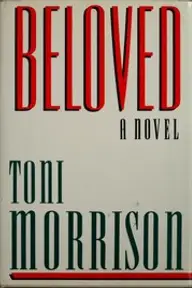
1. Beloved
Toni Morrison
Set in the post-Civil War era, this novel follows Sethe, an escaped enslaved woman haunted physically and emotionally by the daughter she killed to save from slavery. The prose blends poetic intensity with devastating historical truth. Content includes racism, sexual violence, infanticide, and graphic cruelty. Readers sensitive to intense trauma should pass, but anyone seeking an unsparing portrait of slavery will find it deeply moving.
Find it on Amazon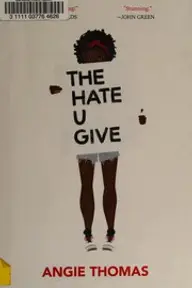
2. The Hate U Give
Angie Thomas
Starr Carter moves between her poor neighborhood and her suburban prep school until she witnesses police shoot her unarmed friend. The story balances family warmth with immediate public tension. Content includes racism, racial slurs, police violence, and gun violence. Skip this book if you want to avoid depictions of police violence. Pick it for an accessible, fast-moving story about family, friendship, and a community in turmoil.
Find it on Amazon3. Stamped: Racism, Antiracism, and You
Jason Reynolds and Ibram X. Kendi
This nonfiction adaptation traces how racist arguments originated, gained social acceptance, and continue to be debated today. The narrative adopts a conversational, spoken cadence directly addressing young readers. Content includes discussions of racism, racial slurs, and historical atrocities. Readers who want traditional academic prose might find the informal voice casual, but readers seeking a fast, direct history will appreciate the clarity.
Find it on Amazon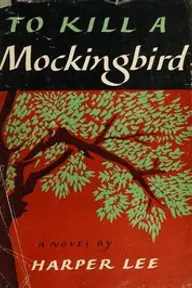
4. To Kill a Mockingbird
Harper Lee
Young Scout Finch observes her father defend an innocent Black man accused of assaulting a white woman in the Jim Crow South. The narrative contrasts childlike innocence against deep-seated racial prejudice. Content includes racial slurs, violence, and descriptions of sexual assault. Readers looking for a modern protagonist centered in the Black experience should look elsewhere, but readers wanting an enduring portrait of small-town hypocrisy will appreciate it.
Find it on AmazonLGBTQ+ Lives
5. Gender Queer: A Memoir
Maia Kobabe
This graphic memoir documents the author navigating gender identity, asexuality, and coming out from childhood into adulthood. Sequential panels depict the confusion, medical visits, and quiet revelations of gender exploration. Content includes sexual content, brief illustrated nudity, and medical discussions. Readers seeking traditional text narratives or readers uncomfortable with explicit illustrated anatomy should pass. It fits readers who want an authentic personal reflection.
Find it on Amazon6. All Boys Aren't Blue
George M. Johnson
A series of autobiographical essays recounts growing up Black and queer in America, celebrating family bonds alongside hard truths. The tone mixes affectionate family memory with sharp social critique. Content includes sexual assault, consensual sexual encounters, and racism. Readers sensitive to explicit personal accounts of early trauma should skip it, while readers seeking a warm, defiant personal voice will connect strongly.
Find it on Amazon7. Fun Home: A Family Tragicomic
Alison Bechdel
Drawn in careful graphic panels, this memoir examines the author uncovering her own lesbian identity while discovering her late father concealed his closeted life. The storytelling weaves literary references through complex family dynamics. Content includes discussions of suicide, emotional abuse, and sexual themes. Readers who dislike non-linear timelines or dense literary allusions might struggle, but visual readers seeking psychological depth will love it.
Find it on Amazon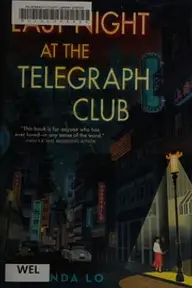
8. Last Night at the Telegraph Club
Malinda Lo
Set in mid-century San Francisco during the Red Scare, Lily Hu discovers her attraction to another girl at an underground lesbian bar while her family faces anti-Communist paranoia. The historical atmosphere feels rich and grounded. Content includes homophobia, racism, and mild sexual situations. Readers who demand fast action may find the historical setup gradual, but patient readers will savor the romance.
Find it on AmazonSexuality and Coming of Age

9. The Perks of Being a Wallflower
Stephen Chbosky
Introverted freshman Charlie writes letters to an anonymous recipient about getting through high school, falling in love, and coping with severe grief. The epistolary format creates an intimate, vulnerable emotional connection. Content includes sexual assault, consensual sex, substance use, and self-harm. Readers who find earnest teenage angst grating should steer clear, but readers who cherish compassionate coming-of-age fiction will fall in love with Charlie.
Find it on Amazon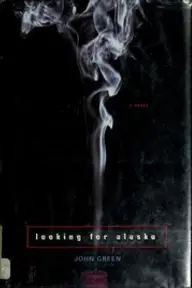
10. Looking for Alaska
John Green
Miles Halter leaves his dull life for a boarding school, where he falls for the unpredictable, self-destructive Alaska Young before tragedy strikes. The narrative examines grief, guilt, and the mystery of human intention. Content includes underage drinking, smoking, sexual situations, and grief after a sudden death. Readers who dislike boarding school tropes should pass, while readers seeking an emotionally charged adolescent drama will finish quickly.
Find it on Amazon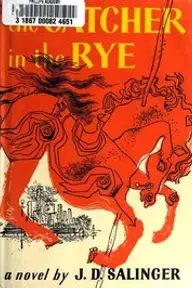
11. The Catcher in the Rye
J.D. Salinger
Holden Caulfield wanders New York City after being expelled from prep school, railing against phoniness while mourning his younger brother. His voice remains conversational, cynical, and emotionally raw. Content includes pervasive profanity, sexual references, alcohol use, and intense mental distress. Readers who find cynical narrators exhausting should skip it. Pick it to experience an iconic study of adolescent alienation.
Find it on Amazon12. Forever...
Judy Blume
High school senior Katherine falls in love with Michael, leading to a thoughtful, realistic depiction of adolescent first love and sexual intimacy. Content includes explicit sexual discussions, intimacy, and birth control planning. Readers wanting high-stakes drama or physical danger will find it ordinary, but anyone seeking a gentle, candid romance will appreciate the clarity.
Find it on AmazonDystopia and Power
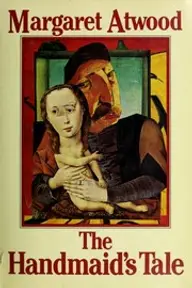
13. The Handmaid's Tale
Margaret Atwood
In the theocratic Republic of Gilead, a fertile woman named Offred is forced into sexual servitude to produce children for the ruling elite. The narrative moves quietly through memory, fear, and silent resistance. Content includes state-sanctioned sexual assault, psychological torture, and institutional violence. Readers who require quick pacing should look elsewhere, but readers drawn to speculative examinations of bodily autonomy will find it vivid.
Find it on Amazon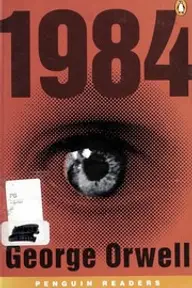
14. 1984
George Orwell
Winston Smith lives under constant surveillance in Oceania, rewriting historical records for the Party while privately harboring forbidden thoughts against Big Brother. The novel methodically deconstructs state control, propaganda, and surveillance. Content includes psychological interrogation, physical torture, and sexual themes. Readers seeking uplifting conclusions will find the bleak atmosphere punishing. Readers seeking an incisive portrait of totalitarianism will find it worth the effort.
Find it on AmazonThe Difference Between Challenged and Banned Books
A challenge represents a formal attempt to restrict or remove a book from a public school curriculum or library collection based on content objections. In contrast, a ban occurs only when officials decide to remove the book entirely from circulation.
Most challenged titles never receive a permanent ban. The content notes below list what each book contains, so you can decide if it suits you.
Common Reasons Communities Challenge Books
Formal challenges generally target distinct content categories across adult and adolescent literature. Reviewing these common objections helps readers select titles that match their personal comfort levels.
Knowing which content element sparked the objection prevents surprises when opening a new title.
- Racial history: Books like Beloved, The Hate U Give, Stamped: Racism, Antiracism, and You, and To Kill a Mockingbird face objections for depicting historical racism, violence, police violence, and racial slurs.
- LGBTQ+ identity and personal memoirs: Works such as Gender Queer: A Memoir, All Boys Aren’t Blue, Fun Home: A Family Tragicomic, and Last Night at the Telegraph Club draw scrutiny for candid descriptions of sexual orientation, gender exploration, and illustrated anatomy.
- Coming-of-age sexuality and mental health: Novels including The Perks of Being a Wallflower, Looking for Alaska, The Catcher in the Rye, and Forever… face complaints regarding profanity, teenage intimacy, substance experimentation, and grief.
- Dystopian politics and state control: Dystopian classics like The Handmaid’s Tale and 1984 receive challenges due to depictions of sexual violence, psychological torture, and state control of the individual.
How to Pick Banned Books to Read for Your Shelf
Selecting the right title depends on the reading experience you desire. If you want historical depth, start with novels exploring race and history. If you want self-discovery and contemporary voice, personal memoirs offer intimate perspectives that feel immediate and human.
Consider pacing and emotional weight before beginning. Graphic memoirs like Fun Home: A Family Tragicomic and Gender Queer: A Memoir convey complex personal stories through sequential art, making them faster to finish than dense prose epics. In contrast, historical dystopias like 1984 demand patient, focused attention.
If you are selecting books for a family member, match the book to their emotional maturity rather than general buzz. While many titles address adolescent life, the sexual violence in Beloved and the psychological torture in 1984 call for a mature reader, so check the content notes first. For younger secondary students ready for thoughtful themes, browse our curated books for teens to find developmentally appropriate options.
What to Do When a Challenged Book Does Not Work
Putting down a book that feels unproductive or unnecessarily distressing is a sensible reading decision. Readers sometimes feel an obligation to finish controversial titles out of principle, but forcing yourself through a text that causes genuine distress ruins reading momentum.
If a specific prose style feels abrasive or slow, switching to an audiobook edition can help. Hearing an author’s personal voice often clarifies the intended emotional tone and softens jarring narrative shifts. Audio interpretations give life to conversational dialogue that might look flat on the page.
When an entire category fails to engage you, step away to reset your reading appetite. You can take our interactive What should I read quiz to discover fresh recommendations across unrelated genres, or explore Books to Read for Every Age and Moment to browse reading lists organized by mood and life stage.
Expanding Your Personal Reading Horizon
Reading challenged books provides insight into how literature reflects real-world tensions and evolving cultural values. Once you finish exploring these books, you can structure your future goals around an organized reading challenge to track diverse viewpoints across independent authors.
If you want to purchase a meaningful present for a book lover who appreciates honest, challenging literature, explore our guide on the best books to gift for memorable editions. Readers who loved Charlie’s voice in high school can also see our books like The Perks of Being a Wallflower to find similar epistolary coming-of-age novels.
Choose one title from the list above and read the first chapter today to discover why these banned books to read continue to spark meaningful public conversation.