34 reading lists
Books to Read for Every Age and Moment
Reading lists by grade, age and moment, with a reason for each pick.
To decide what to read or what to hand someone else, pick the reader or the specific moment first. Each curated list matches titles to a reader’s ability, interests, and current situation, spelling out the exact reason every book belongs on the shelf. At ReadNext, we build recommendations around how a book behaves in a reader’s hands, checking every title against the Open Library catalog so you only see real, searchable books.
Matching a book requires looking past generic bestseller lists. A fifth grader reading on grade level needs a different plot structure than an adult returning to fiction after a decade away. Selecting by category narrows hundreds of possibilities down to a handful of titles that fit the moment.
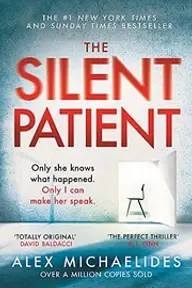
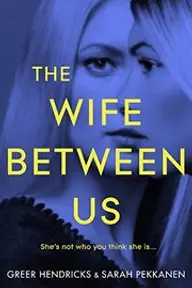
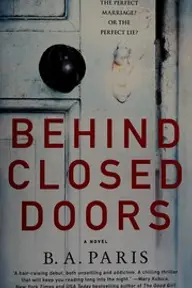
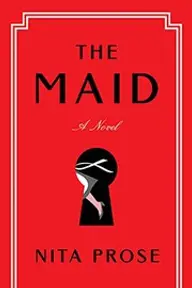
Psychological Thriller Books That Deceive You
Explore top psychological thriller books featuring mind games, unreliable narrators, and dark domestic suspense to keep you guessing until the end.
Read →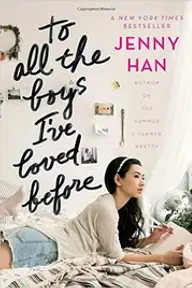
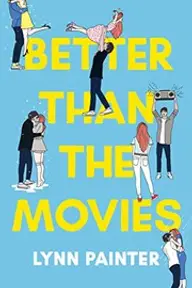
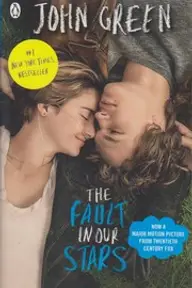
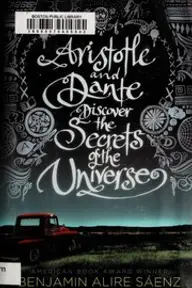
The Best YA Romance Books for Teens
Find the best YA romance books. From witty contemporary rom-coms to high-stakes fantasy love stories, discover engaging novels for teen readers.
Read →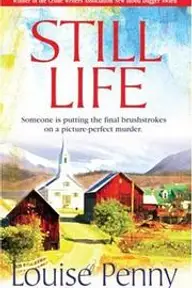
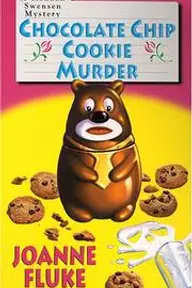
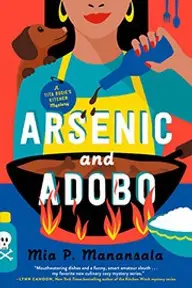
The Best Cozy Mystery Books to Read
Discover delightful cozy mystery books featuring amateur sleuths, small towns, and culinary puzzles that keep murder investigations gentle and engaging.
Read →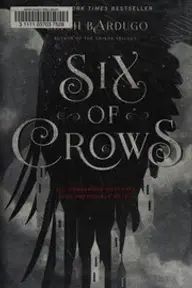
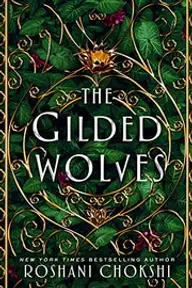
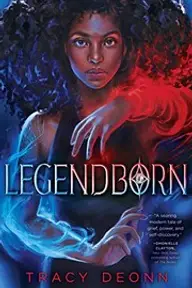
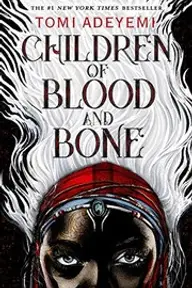
The Best YA Fantasy Books
Discover the best YA fantasy books. From high-stakes magical heists to royal court intrigue, explore captivating novels that keep teens reading.
Read →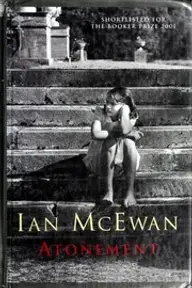
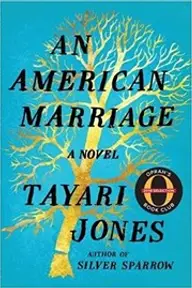
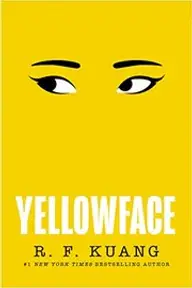
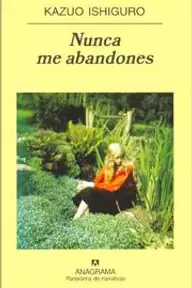
Book Club Books That Spark Real Debate
Discover 14 engaging book club books that drive lively debate, from intense moral dramas to epic family sagas that keep your group talking.
Read →
Books for Teens Who Want a Fast Hook
Find the best books for teens, with clear notes on pacing and mature themes.
Read →
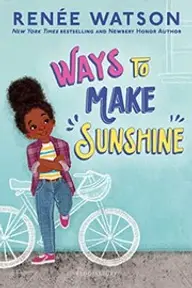
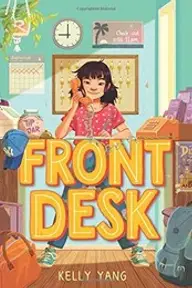
The Best Books for 4th Graders
Discover the best books for 4th graders. From funny school stories to fast-paced fantasy and graphic novels, find the right match for your young reader.
Read →
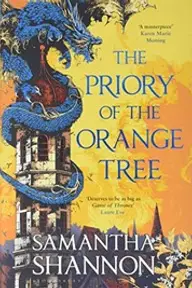
The Best Fantasy Books for Adults
Explore the top fantasy books for adults across epic sagas, gritty battles, cozy mysteries, and urban crime stories with clear content notes.
Read →
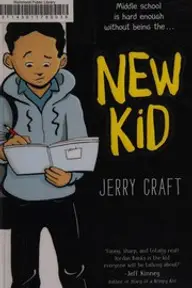
The Best Books for 5th Graders
Discover the best books for 5th graders. From fantasy quests to relatable school stories, find gripping middle grade novels that build reading stamina.
Read →
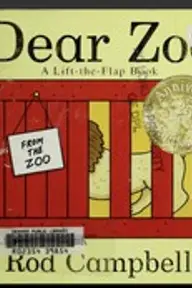
Best Books to Read to Toddlers
Discover the best books to read to toddlers. Simple lift-the-flap picks, bouncy rhyming classics, and calming bedtime board books that hold early attention.
Read →
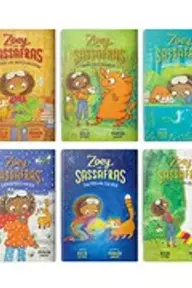
Books for 2nd Graders
Discover the best books for 2nd graders. From early chapter books to graphic novels, find stories that build fluency, confidence, and reading joy.
Read →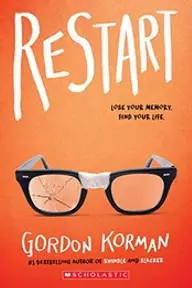
Books for 6th Graders
Discover engaging books for 6th graders matched to their reading pace and maturity.
Read →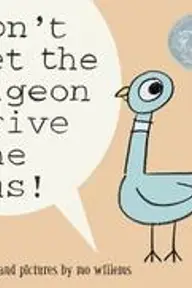
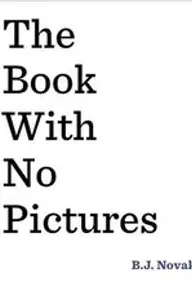
The Best Books for 3 Year Olds
Find the best books for 3 year olds. From interactive read-alouds to bedtime favorites, explore rhythmic stories that hold toddler attention.
Read →
The Best Books for 3rd Graders
Discover the best books for 3rd graders. From funny school stories to graphic novels and animal adventures, find the right title for your reader.
Read →
The Best Books for 5 Year Olds
Discover engaging books for 5 year olds. From funny picture books to early chapter stories, find reads that build vocabulary and spark a love of reading.
Read →
The Best Books for 7th Graders
Find great books for 7th graders across realistic fiction, dystopian worlds, survival, and graphic novels with clear notes on content, themes, and fit.
Read →
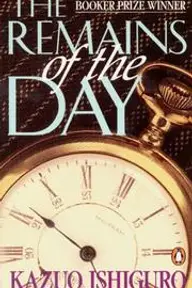
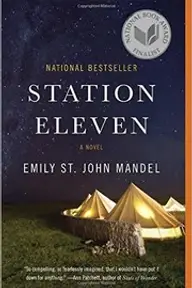
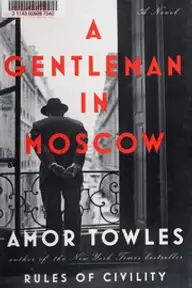
Books to Read Before You Die
Discover fourteen books to read before you die, from enduring classics to modern masterpieces, with guidance on themes, pacing, and where to begin.
Read →
Classic Books to Read: 14 Enduring Novels
Discover classic books to read across four clear groups. Find accessible entry points, gothic masterworks, and modern novels with guidance on where to begin.
Read →
Books for 1st Graders by Reading Stage
Discover the best books for 1st graders. From beginner phonics and comic readers to early chapter stories and read-alouds, find what fits your child.
Read →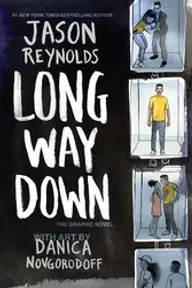
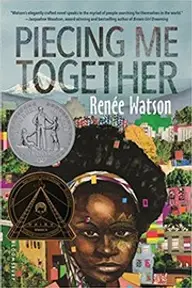
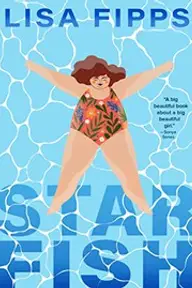
Books for 8th Graders by Theme and Reading Style
Discover engaging books for 8th graders across mystery, verse, fantasy, and history. Compare mature themes, formats, and pacing to find the right match.
Read →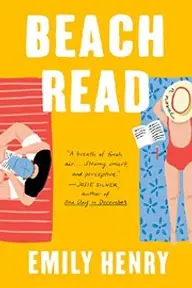
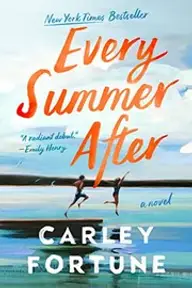
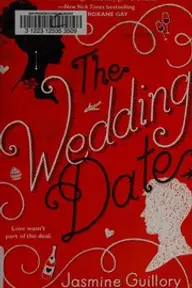
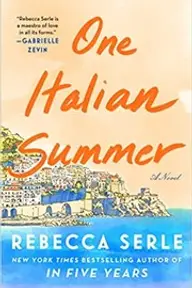
Beach Reads for Your Next Summer Trip
Discover 14 compelling beach reads, from witty romances and gripping thrillers to sun-soaked family dramas, matched to your ideal vacation reading pace.
Read →
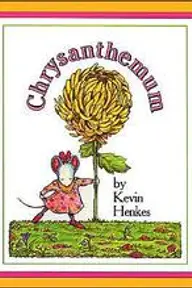
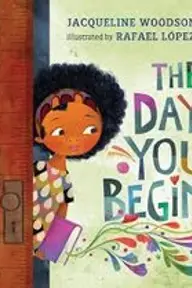
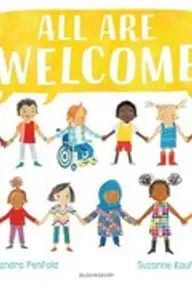
Kindergarten Books to Read Aloud and Solo
Discover engaging kindergarten books to read aloud and for early decoders, from first-day courage to funny storytimes and gentle phonics.
Read →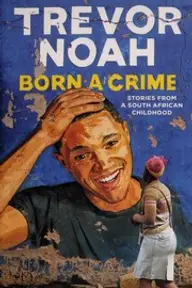
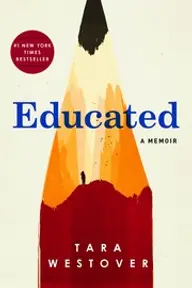
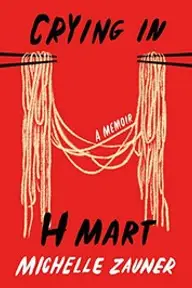
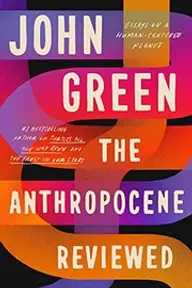
Non Fiction Books to Read for Beginners
Discover the best non fiction books to read across memoir, narrative history, science, and psychology that read as smoothly as compelling novels.
Read →

Good Books to Read for Women
Looking for good books to read for women? Explore 14 outstanding picks spanning classics, family sagas, contemporary fiction, and memoirs of resilience.
Read →
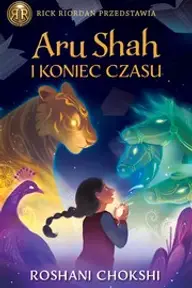
Books for 10 Year Olds: 14 Great Reads
Discover 14 compelling books for 10 year olds across fantasy, realistic fiction, and mystery. Find the right story to match your reader's pace and taste.
Read →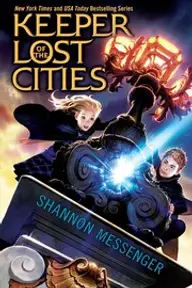
Books for 12 Year Olds
Fourteen gripping books for 12 year olds across fantasy, mystery, realistic fiction, and survival, with content notes and who should skip each one.
Read →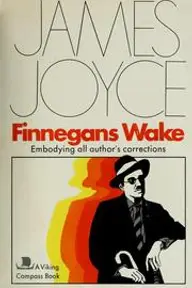
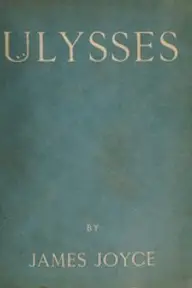
Hardest Books to Read
Tackle the hardest books to read from James Joyce to Jon Fosse. Find why each novel challenges readers, how to handle the prose, and where to start.
Read →
Fun Books to Read for Pure Entertainment
Discover 14 genuinely fun books to read, from witty comedies and cozy mysteries to absurd sci-fi and classic farces. Find your next light read.
Read →
Books to Read for Beginners
Discover the best books to read for beginners. Fourteen engaging novels, fast memoirs, and short stories designed for adults who want to start reading.
Read →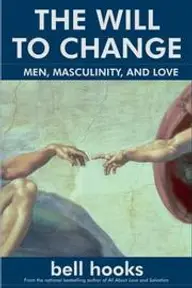
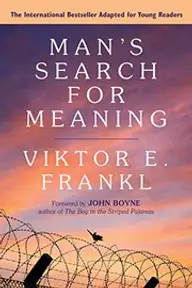
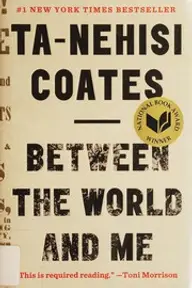
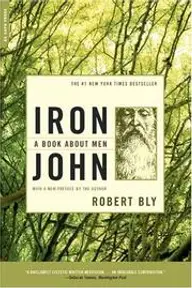
Books for Men to Read
Discover strong books for men to read across gripping history, classic fiction, and personal discipline. Find your next book with practical reasons for each pick.
Read →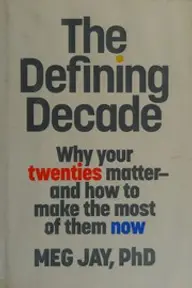
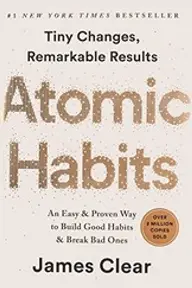
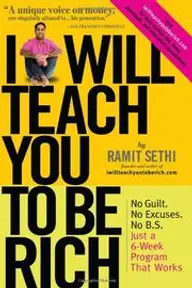
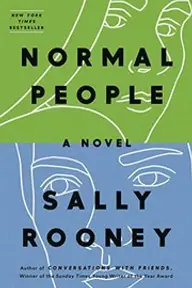
Books to Read in Your 20s.
Discover the best books to read in your 20s, from career and money foundations to novels on friendship, quarter-life doubts, and finding direction.
Read →
Books for Reluctant Readers
Discover books for reluctant readers with graphic novels, fast verse, and high-stakes survival stories that build momentum for readers who resist novels.
Read →
Books to Read After a Breakup
Discover the best books to read after a breakup. From grief validation and humor to rebuilding memoirs, find the right title for your healing process.
Read →
Books to Read When Bored
Bored and cannot pick a book? Discover fast, high-stakes novels, funny escapes, and twisty mysteries that grab attention and break reading slumps.
Read →Matching Books to Read by School Grade
School grades offer a practical baseline for finding books to read because classroom expectations shape a student’s reading endurance. Children between kindergarten and middle school experience wide swings in decoding ability, print size tolerance, and narrative comprehension. A book that captivates an older student can overwhelm a younger child simply because the paragraphs run long and the vocabulary demands constant pauses for context.
Early readers need illustrations that support the text, large fonts, and clear sentence patterns that reward independent effort. Moving into upper elementary grades shifts the focus toward chapter books with multiple character viewpoints and sustained story arcs. By middle school, readers handle complex moral themes, faster pacing, and subplots that carry across an entire series.
When choosing for an individual student, start with the list tailored to their current classroom placement, then shift up or down based on how easily they finish a chapter on their own.
- Early elementary foundations: browse kindergarten books to read, books for 1st graders, and books for 2nd graders for beginning chapter books and read-aloud favorites.
- Upper elementary transitions: check books for 3rd graders, books for 4th graders, and books for 5th graders to build narrative stamina with illustrated fiction and early series.
- Middle school independence: look through books for 6th graders, books for 7th graders, and books for 8th graders for mature themes, detailed mysteries, and character-driven fantasy.
Balancing Reading Level and Personal Interest for Children
A child’s technical reading level measures decoding skill, while their interest level determines whether they will open the front cover. When parents select titles strictly by reading-level scores or classroom reading levels, children often end up with books that feel like assignments. A third grader who loves space exploration or animal rescue will push through challenging terminology if the plot excites them, while an easy book about an uninteresting topic will sit untouched on a nightstand.
Confidence grows when a child finishes a story without exhausting their working memory. Handing a struggling reader a book slightly below their measured grade level often builds a steady reading habit. The lighter reading load lets the child track the plot easily, absorb character motivation, and feel the satisfaction of turning pages quickly. Once a young reader views reading as entertainment, tackling harder school texts feels less daunting.
Read-aloud time bridges the gap between what a child can decode independently and the sophisticated stories their imagination craves. A parent reading aloud can share detailed fantasy worlds or historical tales that would frustrate a second grader attempting them solo. For independent afternoon reading, stick to comfortable books with friendly typography, and save ambitious, dense narratives for shared family reading sessions.
- For readers who need a confidence boost: explore books for reluctant readers with visual elements, fast-moving plots, and humor.
- For specific developmental stages: browse books for 10 year olds and books for 12 year olds tailored to shifting social worlds.
- For younger listeners: review best books to read to toddlers focused on rhythm, shared repetition, and vivid pictures.
How We Handle Content Notes for Sensitive Material
Parents and educators need clear, factual statements about book content rather than vague labels or broad warnings. A book classified as young adult fiction might contain mild adventure perils, or it could explore graphic domestic violence and substance abuse. Knowing the difference ahead of time allows a parent to decide whether a title fits their family guidelines or requires an open discussion alongside the reading.
Our reading guides flag specific sensitive elements directly on the book recommendations. We explicitly note occurrences of explicit sex, sexual assault or attempted assault, graphic violence, heavy drug use, and self-harm. We state these elements plainly so adults can match books to a child’s emotional maturity without guessing what a generic age rating hides.
Mature themes belong in literature for older readers, but surprises can derail a child’s trust in book recommendations. Clear notes ensure that when a teenager picks up a title from books for teens, both the teen and their guardians understand the emotional territory the narrative explores.
Selecting Books to Read for Adults Returning to Reading
Adults returning to reading after years away often stumble by choosing weighty literary masterpieces that demand total concentration. When work demands, family schedules, and digital screens compete for evening attention, a slow-starting historical saga frequently ends in an abandoned bookmark. The goal for a lapsed reader is rebuilding momentum through immediate narrative momentum and accessible language.
Short chapters, compelling hooks, and propulsive pacing help adults establish a daily habit. Fast-paced thrillers, lighthearted memoirs, and premise-driven speculative fiction work well because each chapter delivers a complete scene that rewards a short sitting. Once the habit takes root, stepping into dense classics or experimental prose feels rewarding rather than exhausting.
Audience and genre categories help narrow down choices based on current mood rather than obligation. Whether you want an engrossing puzzle, an exploration of human relationships, or a light companion for a vacation, selecting by tone ensures the book fits your available mental energy.
- Rebuilding the habit: start with books to read for beginners or pick up fun books to read for quick, engaging plots.
- Fiction and worldbuilding: look into fantasy books for adults or browse thoughtful character studies in good books to read for women and books for men to read.
- Learning through narrative: read accessible life stories and topical explorations in nonfiction for beginners.
Choosing Books to Read for Life Moments and Moods
The right book often depends on your emotional state as much as your literary taste. A thoughtful reader going through a major life transition requires a different narrative tone than someone looking to unwind during a sunny weekend afternoon. Matching a title to your present circumstance makes reading a source of comfort, distraction, or perspective.
Major milestones and emotional disruptions change how stories resonate. A reader processing grief or romantic separation often seeks stories that acknowledge heartache without offering tidy platitudes. Someone entering their career years might want fiction dealing with ambition, identity, and personal independence. Alternatively, when everyday routines feel repetitive, a wild adventure story provides immediate mental variety.
Shared reading experiences also require careful selection. Book clubs demand titles with unresolved moral dilemmas and distinct character choices that give members something substantive to debate. Selecting for group discussion means prioritizing books that provoke questions over stories that wrap up every loose end neatly.
- Seasonal and leisure reading: pack engaging, breezy fiction from beach reads or find fast distraction in books to read when bored.
- Life transitions and reflection: find solidarity in books to read after a breakup or explore personal direction with books to read in your 20s.
- Group discussion: discover debate-worthy plots in book club books designed to keep conversations lively.
- Major literary challenges: explore milestone literature through books to read before you die, discover foundational titles in classic books to read, or test your endurance with the hardest books to read.
Who Should Look Elsewhere for Reading Lists
Readers searching for academic syllabi, deep critical theory, or exhaustive chronological bibliographies should skip these curated collections. Our lists focus on general reading satisfaction, developmental fit, and narrative engagement rather than scholarly completeness or academic curriculum design. If you need a comprehensive research bibliography for a graduate thesis, look to specialized university libraries and academic presses instead.
Our recommendations change if you are an experienced, high-volume reader who already finishes several books each week across multiple genres. In that case, pre-selected introductory collections will feel basic, and you will get better results by exploring niche author backlists or taking the what should I read quiz to pinpoint unconventional titles matched to your specific preferences.
To pick your next book today, identify whether you are shopping for a student, an adult rebuilding a habit, or a specific weekend trip, then click directly into the corresponding category list above.
Still not sure what to read next?
Seven quick questions about your mood, your pace and the last book you loved. You get a short list, not a wall of titles.
Take the quizCommon questions
How do you choose which books belong on each list?
We match books to a reader’s age, level and interests, and each title must match a real work (title and author) in Open Library’s catalog. We prioritize stories with strong pacing and clear emotional hooks over generic bestseller status.
What should I do if my child resists reading their assigned grade level books?
Offer books that sit slightly below their formal grade level or feature heavy illustrations and graphic novel panels. A lighter text reduces decoding fatigue, lets the child focus on the plot, and builds confidence. You can also read more advanced books aloud together to keep their interest in storytelling high.
What makes a good book for someone who has not read in years?
Look for books with short chapters, immediate plot hooks, and straightforward prose. Fast-moving thrillers, humorous essays, and accessible memoirs work well because they deliver satisfying story milestones in brief reading sessions, helping an adult establish a daily habit without feeling overwhelmed.
Are young adult books appropriate for middle school readers?
Young adult titles vary widely in maturity, with some exploring mature relationships, graphic violence, or substance abuse. Check the specific content notes on each recommendation to see whether a book matches your middle schooler’s developmental readiness before handing it over.
Can audiobooks help build reading confidence?
Yes. Audiobooks expose listeners to advanced vocabulary, proper pronunciation, and expressive pacing without the friction of decoding printed words. Listening allows struggling readers or busy adults to enjoy complex narratives, building comprehension and enthusiasm for stories that carries back to physical books.
Keep browsing
More ways to find a book
ReadNext is independent. Some book and product links are affiliate links: if you buy through them we may earn a small commission, at no extra cost to you. No publisher or author pays for a spot on any list.