The closest matches to read after Gone Girl are The Girl on the Train by Paula Hawkins and Sharp Objects by Gillian Flynn, which deliver the same bitter tone and structural misdirection. At ReadNext, we match books on narrative deceit, domestic hostility, and sharp antiheroines across the thriller genre.
These titles fall into three distinct groups: toxic marriages, calculating female leads, and puzzles led by unreliable narrators. Readers who want dark psychological drama without tidy moral endings will find their next read below.
Twelve Thrillers for Gone Girl Fans, Grouped by Style
Toxic marriages and domestic deception
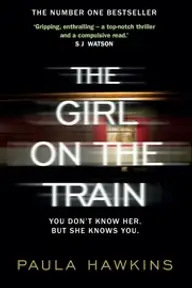
1. The Girl on the Train
Paula Hawkins
Paula Hawkins mirrors the obsessive voyeurism and domestic decay that made Gillian Flynn’s novel famous. Rachel observes a suburban couple from her commuter train window, but her severe blackout drinking makes her testimony unreliable when a woman vanishes. Hawkins builds heavy dread through three alternating female narrators whose domestic lives conceal quiet rot. Skip this title if you cannot tolerate messy, self-destructive characters who repeatedly sabotage their own lives.
Find it on Amazon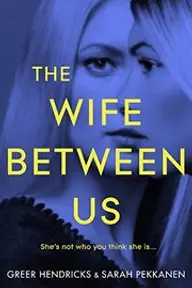
2. The Wife Between Us
Greer Hendricks and Sarah Pekkanen
Greer Hendricks and Sarah Pekkanen construct a psychological puzzle designed to weaponize reader assumptions about jealousy and marriage. The plot introduces a bitter ex-wife obsessed with her wealthy former husband’s young replacement. As the narrative progresses, layered deceptions invert who holds control in the relationship. It offers a cleaner resolution than Flynn provides. Readers who want gritty, cynical prose instead of tidy parlor-game twists may find the tone too polished.
Find it on Amazon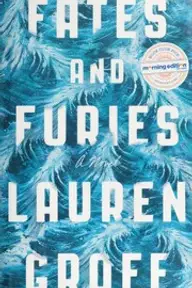
3. Fates and Furies
Lauren Groff
Lauren Groff splits her novel into two contrasting halves that examine the secrets of a creative marriage across decades. The first half follows Lotto, an actor turned playwright who views his wife as an angelic support. The second half reveals Mathilde’s hidden rage, financial machinations, and private compromises. It matches Flynn’s cynical view of wedlock while trading thriller tropes for rich literary prose. Readers who demand high-speed detective work should pass.
Find it on Amazon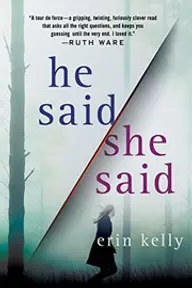
4. He Said/She Said
Erin Kelly
Erin Kelly centers her story on shifting loyalties, domestic strain, and the lasting consequences of a traumatic courtroom trial. A couple witnesses what they believe is a rape at an eclipse festival, and their decision to testify binds them to a manipulative stranger for years. Kelly explores how mutual paranoia erodes romantic trust over a long partnership. Skip this pick if you dislike slow psychological tension that values lingering guilt over physical action scenes.
Find it on AmazonCalculating women and dark minds
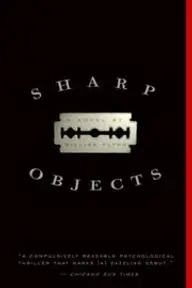
5. Sharp Objects
Gillian Flynn
Gillian Flynn’s debut novel presents the same biting southern gothic cynicism and razor-sharp prose found in Gone Girl. Reporter Camille Preaker returns to her Missouri hometown to cover the murders of two young girls while confronting her estranged, controlling mother. The story examines female violence, generational cruelty, and bodily harm with raw emotional candor. Readers sensitive to self-harm, severe substance abuse, or child endangerment will want to bypass this brutal story.
Find it on Amazon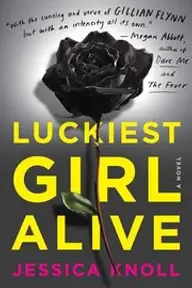
6. Luckiest Girl Alive
Jessica Knoll
Jessica Knoll creates an antiheroine whose bitter internal monologue rivals Amy Dunne’s sharp commentary on womanhood. Ani FaNelli has constructed a glamorous Manhattan career and an aristocratic engagement to bury her public high school humiliation. As a true-crime documentary forces her to revisit past trauma, her polished facade cracks open. Knoll exposes social hypocrisy with vicious precision. The graphic depictions of school violence and sexual assault make this a tough read.
Find it on Amazon7. Notes on a Scandal
Zoë Heller
Zoë Heller delivers a masterclass in psychological manipulation through an isolated schoolteacher named Barbara Covett. Barbara befriends a younger art teacher, discovering her illegal affair with a student and using that dangerous secret to build emotional dependence. The narration reveals chilling vanity disguised as scholarly wisdom. Heller matches Flynn’s talent for creating repellent, utterly captivating female voices. Readers seeking sympathetic protagonists or conventional redemption arcs should skip this dark character study.
Find it on Amazon
8. White Ivy
Susie Yang
Susie Yang presents a protagonist whose relentless social ambition echoes the obsessive calculation of a classic domestic thriller. Ivy Lin grows up learning shoplifting from her grandmother and fixes her desires on an elite Boston family. Her drive to enter their world leads to moral compromise, theft, and calculated cruelty. Yang writes with cool detachment, focusing on class anxiety instead of fast action. Readers who prefer explosive action beats over patient character studies should look elsewhere.
Find it on Amazon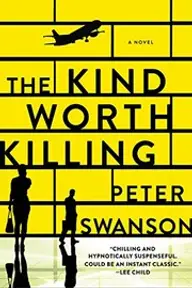
9. The Kind Worth Killing
Peter Swanson
Peter Swanson crafts a story of coldblooded sociopaths trading murder plots over airport lounge cocktails. When a wealthy businessman tells a stranger named Lily Kintner that his wife is cheating, she casually offers to help him kill her. Swanson keeps the tension high through shifting perspectives, ruthless countermoves, and sudden deaths. Readers who dislike morally hollow protagonists who kill without remorse will find little comfort in this cold, cat-and-mouse exercise.
Find it on AmazonTwisty unravelings and unreliable narrators
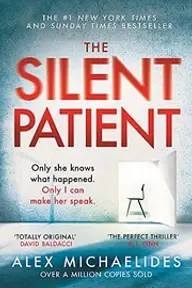
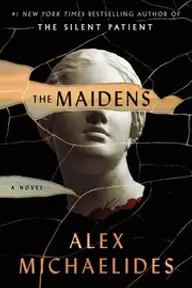
10. The Silent Patient
Alex Michaelides
Alex Michaelides builds an atmospheric mystery around Alicia Berenson, an artist who shoots her husband and never speaks another word. A criminal psychotherapist enters her psychiatric facility, obsessed with uncovering the motive behind her violent silence. The book shares Flynn’s fondness for withheld evidence, Greek tragedy motifs, and shocking final acts. If you enjoyed this title, browse our Books Like The Silent Patient recommendations for similar mind-bending puzzles.
Find it on Amazon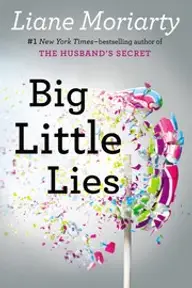
11. Big Little Lies
Liane Moriarty
Liane Moriarty blends sharp suburban satire with dark domestic malice in a seaside community plagued by vicious rumors. The story circles a school trivia night that ends in death, examining the secret rivalries, hidden abuses, and protective bonds between three local mothers. Moriarty offers a warmer emotional palette than Flynn while delivering genuine shock value through careful narrative misdirection. Readers who demand grim, unremitting bleakness may find the witty tone too lighthearted.
Find it on Amazon
12. In a Dark, Dark Wood
Ruth Ware
Ruth Ware isolates a reclusive crime writer at a remote glass house in the English woods for an awkward bachelorette party. Old rivalries flare, and Nora wakes up injured in a hospital bed, unable to remember the night someone died. Ware relies on claustrophobic dread and withheld facts to keep readers guessing. Skip this novel if you are looking for cynical social satire instead of a standard, suspenseful parlor mystery.
Find it on AmazonThe Three Core Qualities Behind Gone Girl
Gone Girl succeeded because Gillian Flynn dismantled the traditional mystery novel and rebuilt it around marital hostility. The book relies on three distinct literary techniques:
-
Structural misdirection: Flynn used diary entries to construct an idealized version of Amy Dunne, only to invert that reality halfway through the narrative, forcing readers to question every assumption about the characters.
-
An unapologetic female antihero: Amy Dunne rejected the victim role, turning social expectations about docile femininity into calculated weapons and exposing the exhausting performance required by modern relationships.
-
The autopsy of domestic boredom: The novel treated suburban marriage as a hostile negotiation where resentment builds over routine expenses and unrealized ambitions.
How to Pick by What You Loved Most
Different readers admire different elements of Flynn’s storytelling. Identifying what hooked you first helps narrow the field quickly.
If you want another toxic, two-sided examination of marriage, read The Wife Between Us or Fates and Furies. Both titles explore how two partners can experience the exact same domestic life in wildly contradictory ways.
If you read for cold, calculating female protagonists who refuse to play nice, pick Luckiest Girl Alive or Sharp Objects. These books feature sharp, cynical narrators dealing with trauma through sharp survival instincts.
If you prioritize shock reveals and unreliable storytellers above all else, start with The Silent Patient or The Girl on the Train. These novels deliberately withhold critical memories to surprise you in the final chapters.
Readers Who Should Skip These Thrillers
These thrillers do not offer comforting resolutions or morally upright heroes. If you read crime fiction to watch dedicated detectives restore social order through hard work, this entire category will frustrate you. These stories feature unfaithful spouses, sociopathic narrators, and systems where bad behavior frequently goes unpunished.
Readers who want wholesome relationships, gentle humor, or clear ethical boundaries should avoid these books. If graphic domestic arguments or deeply cynical views on romance bother you, explore other styles in our Books Like The One You Just Finished directory instead.
Content Warnings and Sensitive Reading Notes
Gone Girl and its closest read-alikes address dark, adult subject matter. Every recommended title features mature themes including domestic abuse, psychological gaslighting, infidelity, and substance misuse.
Several titles include explicit descriptions of physical trauma and assault. Sharp Objects contains graphic self-harm and child homicide. Luckiest Girl Alive depicts a gang rape and a school shooting. Notes on a Scandal covers statutory sexual exploitation. Readers who want less graphic physical violence should start with The Wife Between Us, which keeps its tension psychological.
None of these titles are appropriate for younger audiences. Parents choosing stories for teenagers should avoid this shelf entirely and consult our Books Like The Hunger Games recommendations for age-appropriate suspense.
Where to Go After Finishing These Thrillers
Once you finish these domestic thrillers, several adjacent reading paths open up. Readers who want faster pacing and higher physical stakes can jump into Colleen Hoover’s dark psychological romance by exploring our Books Like Verity recommendations.
Our pick changes to Sharp Objects if you value dark, poetic southern prose over suburban missing-person drama. To discover a personalized recommendation based on your mood, take our interactive What Should I Read Quiz to find your next novel.