Night by Elie Wiesel, Maus: A Survivor’s Tale by Art Spiegelman, and The Diary of a Young Girl by Anne Frank are three titles to begin with. Each has a content note, so you can match it to the reader’s age. At ReadNext, we group the eleven books by kind and reader age.
Start with age, then with kind. Adult readers can begin with first-hand accounts or historical fiction. Teen and middle-grade titles are written for younger readers, and every content note here names death or killing, so read the note before you choose.
Books About the Holocaust by Kind and Reader Age
Adult First-Hand Accounts
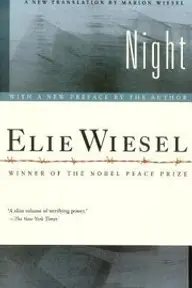
1. Night
Elie Wiesel
Night by Elie Wiesel is a memoir written for adults. Pick it if you want a first-hand account of the camps from someone who was there. Its content note covers starvation, beatings, the public hanging of a child, the death of the author’s father, selections, and the crematoria. Adults can read it first, and a teen may need an adult to talk through it with them.
Find it on Amazon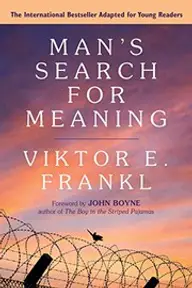
2. Man's Search for Meaning
Viktor E. Frankl
Man’s Search for Meaning by Viktor E. Frankl is an adult memoir. Pick it if you want a first-hand account. Its content note lists camp brutality, starvation, the murder of family members, and despair among prisoners. If the murder of family members is more than you can read now, start with Number the Stars, a middle-grade book.
Find it on Amazon3. Survival in Auschwitz
Primo Levi
Survival in Auschwitz by Primo Levi is an adult memoir, and its title names the camp it covers. Pick it if you want a first-hand account of that camp. Its content note covers selection for the gas chambers, forced labor, starvation, and cruelty by guards and fellow prisoners. If selection for the gas chambers is too much right now, try Number the Stars, a middle-grade book, first.
Find it on AmazonGraphic Memoir
4. Maus: A Survivor's Tale
Art Spiegelman
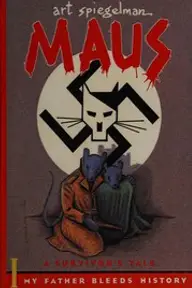
Maus: A Survivor’s Tale by Art Spiegelman is a graphic memoir written for adults. It is not a children’s book. Pick it if you want a first-hand account told in comic panels. Its artwork uses animal figures, and its content note lists graphic depictions of camp violence and deaths, and the author’s mother’s suicide. If you cannot look at graphic violence, even in drawings, skip it and read Survival in Auschwitz instead.
Find it on AmazonHistorical Fiction for Adults
5. Schindler's Ark
Thomas Keneally
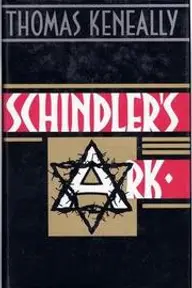
Schindler’s Ark by Thomas Keneally is a historical novel written for adults. Pick it if you want the period told as a novel. Its content note covers ghetto liquidations, mass shootings, Plaszow camp brutality, and deportations to death camps. If you are new to the subject, read Night first.
Find it on AmazonTeen Titles
6. The Diary of a Young Girl
Anne Frank
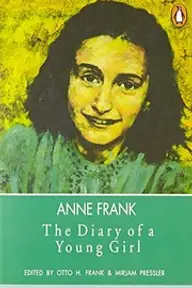
Anne Frank kept this diary while in hiding, before her arrest. It is a diary, so it does not read as a survival account, and its story ends with the family’s arrest and Anne’s death. Its content note covers constant fear of discovery, the arrest of the hiding group, and the deaths of family members, including Anne’s death in Bergen-Belsen. It is written for teen readers.
Find it on Amazon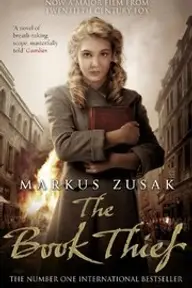
7. The Book Thief
Markus Zusak
The Book Thief by Markus Zusak is a novel written for teen readers, narrated by Death. Because Death tells the story, read it as fiction. For a factual account, read Night or Survival in Auschwitz. Its content note covers air raids, book burning, beatings, a Jewish refugee’s suffering, and child deaths.
Find it on Amazon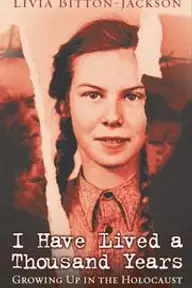
8. I Have Lived a Thousand Years
Livia Bitton-Jackson
I Have Lived a Thousand Years by Livia Bitton-Jackson is written for teen readers. Its content note covers ghetto and camp conditions, deportation, the murder of family members, and the death of children. Preview it before a younger teen starts. Readers who want a novel should consider The Book Thief.
Find it on AmazonMiddle-Grade Titles
9. Number the Stars
Lois Lowry
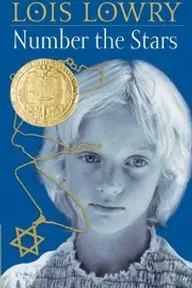
Number the Stars by Lois Lowry is a middle-grade book. Its content note covers Nazi searches and soldiers, fear of deportation, violence, and the death of a family member. For more historical detail, pair it with Hana’s Suitcase, whose note adds the death of children at Auschwitz and the deportation of Czech Jewish families.
Find it on Amazon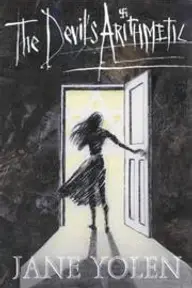
10. The Devil's Arithmetic
Jane Yolen
The Devil’s Arithmetic by Jane Yolen is a middle-grade book. Its content note covers deportation to a death camp, starvation, the gassing of prisoners, and the death of a child. The note for Number the Stars names neither gassing nor starvation. Skip it for now if the gassing of prisoners is too much, and start with Number the Stars.
Find it on Amazon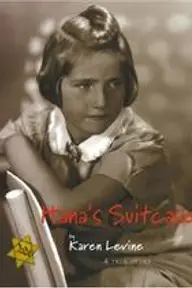
11. Hana's Suitcase
Karen Levine
Hana’s Suitcase by Karen Levine is a nonfiction book for young readers, written at middle-grade level. Its content note covers the death of children at Auschwitz, separation from parents, and the deportation of Czech Jewish families. Pick it if you want a nonfiction title in the middle-grade group. Pair it with Number the Stars for a second view of the same period.
Find it on AmazonChoosing Between Memoir and Fiction
Choose between a memoir and a novel first. The adult first-hand titles here are memoirs, so each one is an account from a person who lived through the events. Novels present the period through a story.
Memoirs such as Night, Man’s Search for Meaning, and Survival in Auschwitz work well when you want a record of what one person saw. Start with one of them if you want to know what happened to people in the camps.
Novels work well when you want the period through characters and a plot. Schindler’s Ark is historical fiction for adults. The Book Thief is a novel narrated by Death, so its events pass through that narrator.
Decide with the content note as well as the form. Schindler’s Ark lists mass shootings and deportations to death camps. Night lists the public hanging of a child. A memoir and a novel can both carry heavy content, so read the note before you pick.
How to Choose a Group
Choose the adult first-hand accounts if you are an adult reader, or a teen ready for direct accounts of killing and starvation. Night, Man’s Search for Meaning, and Survival in Auschwitz are all memoirs written for adults. Compare them by their notes: Night covers the death of the author’s father, Man’s Search for Meaning covers despair among prisoners, and Survival in Auschwitz covers forced labor.
Maus suits an adult who wants a first-hand account in comic form. It sits in its own group because it is the only graphic memoir here. Its note names the author’s mother’s suicide, so it is not a choice for a younger reader.
Schindler’s Ark suits an adult who wants the period as a novel and is ready for ghetto liquidations and mass shootings. It is the only adult novel here. Read it after a first-hand account if you are new to the subject.
Choose the teen titles for teen readers. Anne Frank’s diary was kept in hiding. The Book Thief is a novel narrated by Death. I Have Lived a Thousand Years is a book written for teen readers.
Number the Stars, The Devil’s Arithmetic, and Hana’s Suitcase are written for middle-grade readers. Each content note names death, so none of these is a gentle read even at this level. Pair Number the Stars with Hana’s Suitcase if you want more historical detail.
Introducing the Subject to a Young Reader
Give a young reader the basic history before the first chapter. The United States Holocaust Memorial Museum defines the Holocaust as the systematic, state-sponsored persecution and murder of six million European Jews. The Nazi German regime and its allies and collaborators carried it out. It began in January 1933, when Adolf Hitler and the Nazi Party came to power in Germany. It ended in May 1945, when the Allied Powers defeated Nazi Germany in World War II.
Preview the book before you hand it over. Read its content note and the first chapter yourself. Then you know which hard scenes to expect and can talk about them before the young reader reaches them.
Read together for the first chapters when the title is for a younger reader. A parent or teacher can read alongside the child, pause after hard passages, and ask what the child understood.
Stop reading when the child is distressed, ask what upset them, and return later or switch to a title from a younger group.
Content Notes for Parents, Teachers, and Sensitive Readers
Every title here has a content note that names death or killing, so none of the eleven books is a gentle read. A content note lists what a book depicts. It does not promise what the book leaves out, so treat each note as the starting point for your decision.
Maus contains graphic depictions of camp violence and deaths, and its note also names the author’s mother’s suicide. The Devil’s Arithmetic lists gassing and starvation. Night lists the public hanging of a child. Read these notes before a young person starts.
For parents and teachers, match the group to the young person’s age and readiness: adult titles for adults, teen titles for teen readers, and middle-grade titles for younger readers.
Who These Books Are Not For
These books are not a good fit if you are currently distressed by descriptions of starvation and killing. Wait until that distress passes before you start any of the eleven.
They are also not the right first book for a child who has not yet learned the basic history. Teach the basics first, starting with the introduction to the Holocaust.
If you are choosing for a child under about ten, start with a middle-grade title. If a middle-grade title is still too much, wait and try again later.
Our answer changes with reader age and tolerance for graphic detail. An older teen who handles graphic detail well can move to the adult first-hand accounts sooner, while a younger reader may need a middle-grade title first.
When a Pick Does Not Land
Stop a book that is not working for you, and try a title from another group. Setting one book aside does not close the subject, and you can come back to it later.
If a memoir is more than you can read now, try a title from the teen or middle-grade groups. If you want the period through a novel, the historical fiction group has one adult title, Schindler’s Ark.
If a novel does not hold your attention, try one of the adult first-hand accounts. There the events come from someone who lived through them.
If none of the groups fits, you can also try the What should I read quiz.
After the Last Page
After you finish one of these books, decide what you want next: another first-hand account, a novel, or a nonfiction title. For more nonfiction, see best nonfiction books.
For more novels set in the past, see historical fiction books. To browse by age across other subjects, start with Books to Read for Every Age and Moment.
Read the content note for the next book before you start it, since each note lists its own depictions.