Start with The Hunger Games for fast-paced survival action, or pick Scythe if you want moral questions about death and artificial intelligence. At ReadNext, we read across young adult fiction to help families and young people find books that keep them turning pages. When we match a book, we look at pacing, emotional weight, and how much graphic content sits on the page.
Teen dystopias divide into three distinct flavours: immediate survival against a violent government, quieter philosophical societies hiding dark costs, and high-tech urban futures. The selection organizes eleven titles into those distinct buckets so readers can skip what bores them and grab the specific tone they want.
Every entry names the core premise, the reading experience, and the specific violence or thematic weight to expect before handing it to a younger teen.
Dystopian Books for Teens by Category
High-Stakes Survival & Rebellion
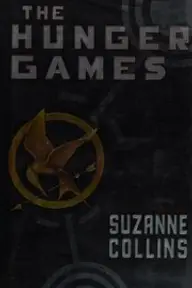
1. The Hunger Games
Suzanne Collins
This is the benchmark for modern teen dystopia because the survival stakes start on page one. A totalitarian capital forces two dozen adolescents into an outdoor arena to hunt each other on live television. The narrative moves quickly and stays locked on basic survival, hunger, and grief. Expect regular arena violence, weapon trauma, and distinct character deaths. Readers who dislike visceral physical peril should pass.
Find it on Amazon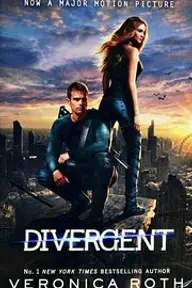
2. Divergent
Veronica Roth
Pick this when you want a story built around social identity and belonging. Society splits citizens into five factions based on primary personality traits, and sixteen-year-olds must commit to one for life. The heroine leaves her family behind and faces severe physical initiation rites while concealing her dangerous nonconformity. Expect gun battles, knife injuries, and intense psychological simulations. Skip if rigid social systems feel overly artificial to you.
Find it on Amazon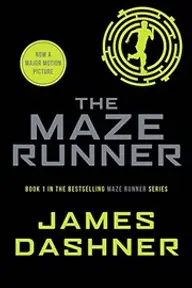
3. The Maze Runner
James Dashner
This fits readers who prefer immediate mystery and claustrophobic pressure over political intrigue. A teenage boy wakes up inside a metal lift with his memories wiped, emerging into a walled stone courtyard surrounded by a lethal, shifting labyrinth. The plot delivers relentless momentum as runners map the maze each day before mechanical monsters hunt at night. Expect heavy monster violence, physical trauma, and high casualty counts among allies.
Find it on AmazonSpeculative & Thought-Provoking
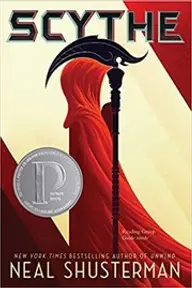
4. Scythe
Neal Shusterman
Choose this for an ethical thought experiment that does not rely on post-apocalyptic rubble. Society has conquered death, disease, and war under a benevolent computer intelligence, leaving a specialized guild of reapers to control population numbers. Two rival teens are drafted as apprentices to kill citizens chosen by quota. It features intense moral dilemmas, detailed staging of executions, and political corruption. Readers wanting fast creature chases or rebel warfare should pass.
Find it on Amazon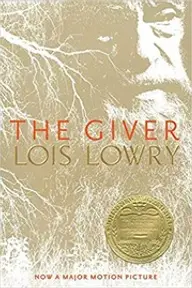
5. The Giver
Lois Lowry
This classic works best for readers who prefer quiet psychological unease to physical violence. A twelve-year-old boy is selected to train with an elder who holds the forgotten memories of pain, colour, warfare, and pleasure in a community that erased difference. The language is simple, but the emotional weight is substantial. It includes discussions of infanticide and state euthanasia. Skip if you want action sequences or explosive gunfights.
Find it on Amazon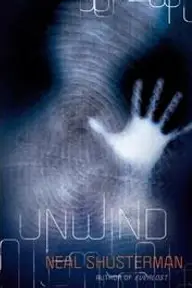
6. Unwind
Neal Shusterman
Pick this if you want a deeply unsettling concept that pushes ethical boundaries. After a bitter civil war over reproductive rights, the legal system allows parents to retroactively unwind troublesome teenagers between ages thirteen and eighteen, harvesting every organ for medical transplants. Three fugitives run for their lives to reach adulthood. Expect intense body horror and an explicit, clinically detailed surgical scene. Skip if medical body dread bothers you.
Find it on Amazon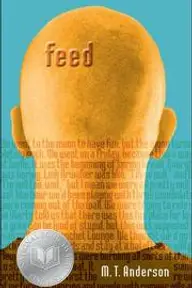
7. Feed
M.T. Anderson
This sharp satire targets corporate consumerism, media saturation, and environmental decay. Most citizens live with a direct brain internet connection that broadcasts targeted marketing, instant notifications, and commercial jargon straight into their consciousness. When an outsider teen’s neural device fails, her peers cannot process reality without their feeds. Expect strong profanity, scenes of physical decay, and bleak emotional turns. Skip if stylized teenage slang and dark social critiques irritate you.
Find it on AmazonFuturistic Sci-Fi & Cyberpunk
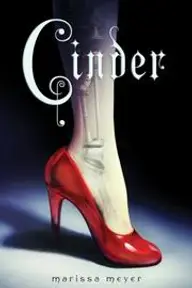
8. Cinder
Marissa Meyer
This book blends fairy-tale structure with high-tech urban science fiction. A second-class cyborg mechanic in futuristic New Beijing repairs androids in a busy street market while handling an abusive home life and a deadly planetary plague. The pacing is lively and accessible, balancing political intrigue with royal drama. Expect descriptions of disease victims, quarantine facilities, and brief violence. Skip if retelling classic stories feels overly predictable.
Find it on Amazon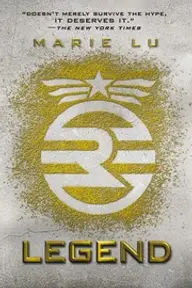
9. Legend
Marie Lu
This fits readers who enjoy dual perspectives, martial discipline, and cat-and-mouse detective chases. In a flooded, militarized version of future Los Angeles, a teenage military prodigy hunts the country’s most wanted street criminal after her brother’s murder. The story moves at a sprint through military trials, street ambushes, and harsh interrogations. Expect urban gun battles, sniper fire, and brutal street fights. Skip if dual-POV romances distract from your enjoyment.
Find it on Amazon
10. Uglies
Scott Westerfeld
This story examines modern beauty standards and body image through an extreme lens. Every teenager undergoes compulsory extreme cosmetic surgery on their sixteenth birthday to become pretty and live in high-tech luxury, eliminating social conflict by enforcing uniform aesthetic perfection. A runaway friend forces the main character to question what the surgery does to the human brain. Expect mild physical peril and hoverboard accidents. Skip if body-modification themes feel unsettling.
Find it on AmazonDark Survival & High Stakes
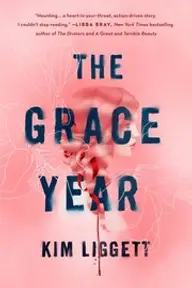
11. The Grace Year
Kim Liggett
Pick this for a visceral survival story about misogyny and communal cruelty. In a brutal, isolated county, sixteen-year-old girls are banished into a remote wilderness for one full year to purge their dangerous youth and sexuality before returning to arranged marriages. Surviving the exile means dodging venomous elements, poachers hunting for skin, and each other. Expect severe physical brutality, gore, and grim social punishment. Skip if intense physical cruelty upsets you.
Find it on AmazonHow to Pick the Right Dystopian Style
Dystopian novels fall into distinct narrative shapes that cater to different reader appetites. Readers who want pure physical stakes should look at the survival cluster, where characters must actively dodge traps, weapons, or lethal environments to see tomorrow morning. Books like The Hunger Games and The Maze Runner pull you straight into action within two chapters, making them ideal for reluctant readers who drop books with slow worldbuilding.
Readers who prefer ethical dilemmas should pick books from the speculative cluster, such as Scythe or Unwind. These books build stable, functioning societies that look pleasant on the surface while hiding a monstrous moral concession beneath everyday routines. They ask whether absolute comfort justifies harvesting organs or ending lives on schedule, which fuels great debates in classrooms and living rooms.
Futuristic urban books lean harder into technology, surveillance, and mechanical aesthetics. Titles like Cinder, Legend, and Uglies look at cybernetic limbs, neural feeds, and aesthetic conformity. You can explore broader formats and stories on our hub for Books to Read for Every Age and Moment, which tracks age-graded collections across multiple genres.
Evaluating Maturity and Content for Younger Teens
Teen dystopias suit readers from about middle school up, but graphic weight varies sharply across the shelf. The Giver sits comfortably in late middle school because its dread comes from quiet revelations rather than visceral combat. Its darkest element is the clinical, painless disposal of infants, which is handled with stark emotional impact rather than bloody detail. It serves as a gentle transition into heavy speculative themes.
Books that center on government punishment ramp up bodily injury much. The Grace Year carries severe peril, showing young women facing animal traps, infected wounds, poachers, and interpersonal brutality in isolation. Similarly, Unwind features a chilling scene that documents a conscious character being disassembled by a surgical team, which can cause intense distress for sensitive readers. Parents should review our dedicated recommendations in books for teens before handing these titles to twelve-year-olds.
Evaluate whether your reader handles physical gore or psychological dread better. Arena battles usually present visible, fast-moving threats that resolve in action scenes. Creeping governmental control often leaves a lingering emotional chill that sits with sensitive readers for days.
Where to Go after Finishing the Big Series
Readers who devour the main titles here often struggle to find immediate follow-ups with equal narrative velocity. If your reader loved the high-stakes arena structure and political rebellion of Katniss Everdeen, browse our specific guide to books like the hunger games for titles with lethal competitions and brave outcasts.
For readers hooked on faction testing, identity sorting, and dangerous underground trials, our curated list of books like divergent tracks novels built around divided social classes and high-risk initiations. Those who prefer physical mazes, cryptic puzzles, and team-based survival can check our collection of books like The Maze Runner to locate similar mysteries.
When a teenager finishes a multi-book series and hits a reading slump, try switching subgenres rather than hunting for an identical copy. Moving from arena combat straight into the satirical voice of Feed or the fairy-tale cybernetics of Cinder resets reading fatigue while keeping the dystopian frame intact.
What to Do When a Dystopian Novel Drags
Teenagers drop dystopian books most often when the worldbuilding overwhelms the plot. When an author spends three dense chapters explaining governmental collapse, historical treaties, and municipal geography before an inciting incident occurs, readers disengage quickly. If your reader stalls out, switch immediately to a story with first-person present narration and a physical problem in the opening chapter.
Pacing issues also crop up when the political philosophy outpaces the action. A book like The Giver requires reflective patience that active fantasy fans might find dry, while The Maze Runner jumps into panic within sixty seconds. Match the page tempo to the reader’s current attention span rather than forcing a revered classic.
If multiple novels fail to stick, use the interactive What should I read quiz to pinpoint specific tropes, story speeds, and themes that match their current taste.