Mystery books for adults range from classic whodunits like The Mysterious Affair at Styles to cynical private-eye cases like The Big Sleep and departmental police procedurals. These sub-types differ in investigative pace and violence, contrasting intellectual parlor deduction against high-stakes street investigations and institutional forensic work.
Adult mystery fiction spans classic whodunits, gritty police procedurals, hardboiled private-eye cases, and literary mysteries. Readers looking for light, bloodless puzzles can start with classic manor mysteries, while readers seeking psychological tension or urban grit will find heavier procedurals that confront dark crimes.
The Best Mystery Books for Adults, Grouped by Style
Classic Whodunits
1. The Mysterious Affair at Styles
Agatha Christie
Agatha Christie introduces Belgian detective Hercule Poirot as he investigates a fatal poisoning at an English country estate. The narrative establishes classic Golden Age deduction through timeline comparisons, physical clues, and family tensions. Readers who demand fast street action or gritty violence can pass. Choose this title if you enjoy cerebral, fair-play clue gathering where every guest holds a secret.
Find it on Amazon2. The Moonstone
Wilkie Collins
Wilkie Collins builds what is often called a foundational detective story around the theft of a priceless diamond from a rural family home. Multiple narrators offer contrasting personal accounts, forcing the reader to weigh unreliable testimonies and shifting motives. Readers who dislike nineteenth-century pacing might find the prose formal.
Find it on Amazon3. Magpie Murders
Anthony Horowitz
Anthony Horowitz crafts a dual narrative containing a vintage village murder mystery embedded inside a modern publishing investigation. An editor combs through a deceased author’s manuscript to find clues regarding his sudden death. Readers who prefer single, linear plotlines should look elsewhere. Pick this novel for playful structural puzzles and a clever homage to traditional detective mechanics.
Find it on AmazonPolice Procedurals and Rural Crime
4. In the Woods
Tana French
Tana French follows detective Rob Ryan as he investigates the murder of a young girl near an Irish forest tied to his own childhood trauma. The story focuses heavily on psychological grief, flawed memory, and slow departmental footwork. Note that the book deals with child harm and intense psychological dread. Skip this pick if you require tidy resolutions with every question resolved.
Find it on Amazon5. The Black Echo
Michael Connelly
Michael Connelly introduces Los Angeles homicide detective Harry Bosch as he examines the overdose death of a fellow veteran found in a drainage pipe. The investigation uncovers bank heists, internal department corruption, and military trauma. This title includes graphic violence and frank depictions of urban decay. It fits readers who appreciate relentless, authentic police detective legwork and lone-wolf protagonists.
Find it on Amazon6. Knots and Crosses
Ian Rankin
Ian Rankin places detective John Rebus on the trail of an Edinburgh serial predator abducting young girls across the city. Personal anonymous notes connect the killer directly to the detective’s past military service. The plot touches on child harm and harsh Scottish street realities. Pass on this novel if you want sunny settings. Read it for atmospheric urban noir and flawed investigators.
Find it on Amazon7. The Dry
Jane Harper
Jane Harper sets a small-town investigation as federal agent Aaron Falk returns to his drought-stricken hometown following a horrific murder-suicide that wiped out a farming family. Falk must confront hostility from locals who still suspect him of an old community tragedy. The narrative features graphic violence and child harm within a tight rural community. It rewards readers drawn to suffocating atmospheric pressure and hidden town grudges.
Find it on AmazonHardboiled & Private Investigators
8. The Big Sleep
Raymond Chandler
Raymond Chandler helped shape hardboiled detective fiction through Philip Marlowe, a private investigator handling wealthy blackmailers and gambling dens in Los Angeles. The plot is less about neat deduction and more about cynical dialogue, urban atmosphere, and personal honor in a corrupt system. Readers seeking tidy parlor puzzles should skip it. Pick this title for sharp, poetic noir prose, noting it contains period racism, homophobia, and sexual content.
Find it on Amazon9. Devil in a Blue Dress
Walter Mosley
Walter Mosley follows Black war veteran Easy Rawlins as he takes an off-the-books job locating a missing woman in postwar Los Angeles. Rawlins handles racial tension, police intimidation, and underworld violence while trying to protect his home. The book contains graphic violence and harsh social conflict. It is ideal for readers who desire socially acute, atmospheric private-eye stories.
Find it on Amazon10. The Maltese Falcon
Dashiell Hammett
Dashiell Hammett drops unsentimental private operative Sam Spade into a predatory scramble for a jewel-encrusted statuette in San Francisco. Deceit drives every interaction between Spade, his treacherous client, and ruthless criminal competitors. The prose is lean and completely devoid of sentimentality. Readers who want warm character bonds will find Spade cold, but noir fans will appreciate the moral ambiguity; the text includes period racism, homophobia, and sexual content.
Find it on AmazonLiterary and Character-Led Mysteries
11. The Name of the Rose
Umberto Eco
Umberto Eco constructs a dense historical investigation where Franciscan friar William of Baskerville solves bizarre murders inside a fourteenth-century Italian monastery. The plot weaves theological debates, forbidden manuscripts, and labyrinthine architecture into a cerebral whodunit. This title contains graphic violence and sexual content. Skip it if you want quick pacing. Choose it for immersive historical philosophy.
Find it on Amazon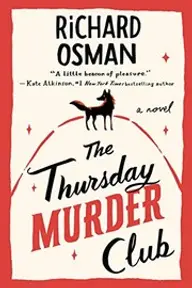
12. The Thursday Murder Club
Richard Osman
Richard Osman introduces four spirited residents of an English retirement village who meet weekly to investigate unsolved crimes before encountering a live murder on their doorstep. The story balances humorous banter with poignant reflections on aging, companionship, and grief. Readers who demand high-octane action or brutal noir grit will find it too gentle, but puzzle fans will admire the warmth.
Find it on Amazon13. Case Histories
Kate Atkinson
Kate Atkinson follows private investigator Jackson Brodie as he untangles three unsolved tragedies. The narrative explores grief and chance connections with dry humor and sharp emotional depth. The story contains sexual violence, child harm, and graphic violence. Skip this title if you dislike non-linear family portraits.
Find it on Amazon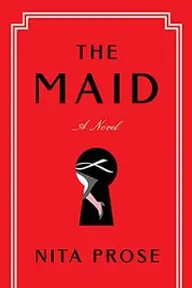
14. The Maid
Nita Prose
Nita Prose centers on Molly Gray, an orderly hotel maid who discovers an infamous wealthy guest dead in his suite and inadvertently becomes the prime suspect. Molly relies on her grandmother’s life rules and a small network of friends to clear her name. The stakes feel immediate without becoming graphically violent. Readers wanting grim police realism can look elsewhere.
Find it on AmazonUnderstanding the Main Sub-Genres of Adult Mysteries
Adult mystery fiction spans several distinct formats, each delivering a different reading experience. Classic whodunits focus on intellectual puzzles, presenting a closed circle of suspects, hidden motives, and tangible clues that allow the reader to solve the crime alongside the investigator. These stories often take place in self-contained settings like country houses, private trains, or secluded islands where external interference remains minimal.
Police procedurals shift attention from amateur deduction to institutional reality. These novels explore the forensic tools, paperwork, internal politics, and team dynamics required to resolve criminal cases. Procedurals frequently examine modern social tensions and urban distress, giving readers a direct view of how real detective squads process evidence, interview hostile witnesses, and manage psychological strain.
Hardboiled private-eye stories and literary mysteries operate on different axes. Hardboiled fiction trades cozy drawing rooms for morally compromised city streets, featuring cynical private investigators who rely on personal networks and street knowledge outside official departments. Literary mysteries prioritize thematic depth, prose style, and emotional fallout over mechanical clue delivery, using a central death to interrogate grief, class, or institutional corruption.
Matching Pacing, Stakes, and Content to Your Taste
Selecting the right mystery requires balancing narrative velocity against the intensity of the subject matter. Readers seeking fast, momentum-driven plots often enjoy contemporary procedurals or lean private-eye stories where deadlines and physical danger keep scenes moving briskly. In contrast, historical or literary mysteries deliberately slow the tempo to develop period details, moral philosophies, and complex interior character monologues.
Content intensity varies widely across mystery books for adults. Golden Age whodunits and modern village mysteries generally keep physical violence offstage, focusing on deduction and puzzle mechanics. These titles suit readers who want low-stress reading without explicit forensic depictions or disturbing themes.
Procedurals and noir novels regularly address mature, unsettling realities. Many titles examine heavy topics including child harm, sexual violence, and graphic crime scenes. Readers who want to avoid disturbing material should check content notes carefully before selecting a title, as stories across multiple sub-genres feature graphic elements.
- Pacing: Choose hardboiled noir for immediate dialogue, or literary mysteries for detailed character exploration.
- Puzzle Mechanics: Pick classic whodunits if you want fair-play clues that reward careful note-taking.
- Violence Level: Choose classic country-house stories to avoid graphic forensic descriptions.
- Tone: Select retirement-village sleuths for wry humor, or drought-stricken procedurals for bleak atmospheric tension.
What to Do When a Detective Story Does Not Engage You
Abandoning a detective story that feels tedious is a practical reading choice. When a mystery novel fails to hook you within the first quarter, investigative pacing and style differences are often a factor. A reader who craves active field investigations will quickly lose interest in formal dialogue, while a reader wanting character depth will grow impatient with rigid timeline puzzles.
Switching formats can often resolve pacing friction. If a sprawling procedural feels bogged down by administrative details or dense local dialects, an audiobook performance can bring distinct investigator voices to life and clarify conversational subtext. Skilled narration helps maintain narrative momentum through slower investigative interludes.
If a specific sub-genre feels stale, pivot to an adjacent category to reset your interest. Readers exhausted by brutal forensic procedurals can explore lighthearted cozy mystery books for comforting village deduction, or dive into psychological thriller books for unreliable narration and shifting domestic tension.
Who This Category Does Not Serve and What to Read Instead
Mystery plots require patience because detectives must examine physical clues, question evasive suspects, cross-examine alibis, and deliberate over timelines. If you find procedural interviews and deductive monologues boring, traditional crime fiction will feel frustrating.
Readers who want unstoppable protagonists relying on physical combat and direct action should explore books like jack reacher for propulsive, physical thrillers. Readers seeking broader reading paths across different genres and formats can consult our Books to Read for Every Age and Moment overview to find stories matched to their exact mood.
Readers who cannot tolerate grim themes or flawed investigators should look toward lighter capers. When you want tailored recommendations based on your personal tolerance for dark subject matter and preferred reading pace, take our interactive What should I read quiz to discover your next mystery books for adults.