Harlem, Ellen’s Broom, and Bud, Not Buddy are three places to start among these Black history books for kids. At ReadNext, we group every book by reader age and by kind, so a parent or teacher can match a title to a child before reading the blurb. Harlem and Ellen’s Broom are the gentlest starting points.
Each pick carries a content note that says what the book covers and which age range it suits. Several books cover enslavement, segregation, and racial violence, and their notes say so plainly.
The list stops at about age 14. Teen readers should start from the teen reading list instead.
Picks by Age Group and Kind of Book
Read-alouds for the youngest readers
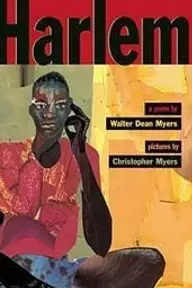
1. Harlem
Walter Dean Myers
Harlem is a rhythmic poem about the neighborhood’s history and its people, made for reading aloud. Its content note is mild: it mentions hardship and poverty in the neighborhood, and it suits ages 4 to 8. Choose it for a gentle first look at Black history.
Find it on Amazon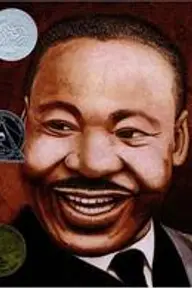
2. Martin's Big Words: The Life of Dr. Martin Luther King, Jr.
Doreen Rappaport
This picture-book biography tells the life of Dr. Martin Luther King, Jr. through his own words. It is a read-aloud for a parent or teacher to share with a child. The content note covers segregation, violence against protesters, and briefly King’s assassination. It suits ages 5 to 9. Choose it for a direct introduction to King, and plan to sit with the child through the protest scenes.
Find it on AmazonFreedom and family history
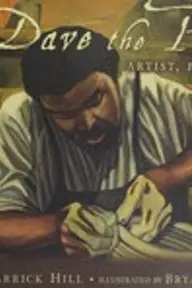
3. Dave the Potter: Artist, Poet, Slave
Laban Carrick Hill
This picture book tells the true story of Dave, an enslaved potter who signed his work with poems. The content note says plainly that it covers enslavement, including the separation of families and forced labor, and it suits ages 6 to 10. Be ready for questions about families being separated.
Find it on Amazon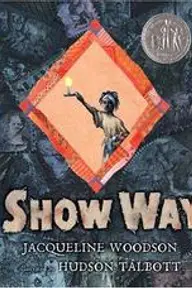
4. Show Way
Jacqueline Woodson
Show Way follows a family’s history passed down through quilting, from enslavement to today. The content note covers enslavement, the separation of families, and injustice from the Jim Crow era, and it uses gentle wording. It suits ages 5 to 9.
Find it on Amazon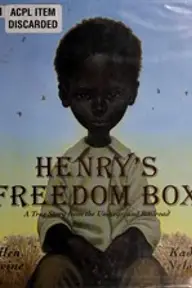
5. Henry's Freedom Box
Ellen Levine
This picture book tells the story of Henry Brown, who mailed himself to freedom. The content note covers enslavement, family separation, and a tense escape in a crate. It suits ages 5 to 8. Read the content note first, since it covers a tense escape in a crate.
Find it on Amazon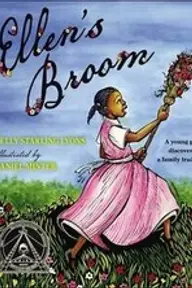
6. Ellen's Broom
Kelly Starling Lyons
Ellen’s Broom is a warm story of a newly freed family’s wedding, told through a broom. The tone is hopeful. Its content note covers enslavement and the denial of legal marriage, and it suits ages 5 to 8. It works as a first freedom story, since it is one of the two gentlest starting points here.
Find it on Amazon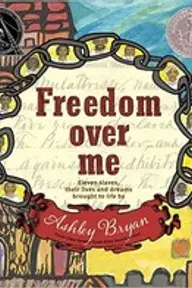
7. Freedom Over Me: Eleven Slaves, Their Lives and Dreams Brought to Life
Ashley Bryan
This picture book imagines eleven enslaved people, drawn from real slave auction and estate documents. The book is about their lives and dreams. The content note covers enslavement, auction sales, and families being broken apart. It suits ages 6 to 10. Choose it when a child is ready for slavery shown through individual lives, and read it a few pages at a time if the subject is new.
Find it on AmazonCivil rights, told in picture books and memoir
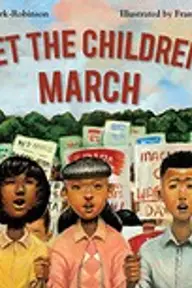
8. Let the Children March
Monica Clark-Robinson
This picture book tells of the Birmingham Children’s March through the courage of the children who took part. The content note says the book shows police dogs, fire hoses, and mass arrests of children, and it suits ages 5 to 9. Read it when a child is ready to see children acting for change, and prepare for images of dogs and hoses.
Find it on Amazon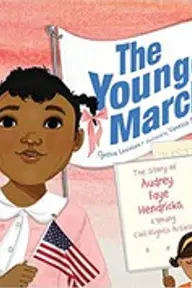
9. The Youngest Marcher: The Story of Audrey Faye Hendricks, a Young Civil Rights Activist
Cynthia Levinson
The Youngest Marcher tells the true story of Audrey Faye Hendricks, a young civil rights activist who was arrested and spent time in jail during the Birmingham protests. The content note covers arrest, jail, and segregation-era violence against protesters, and it suits ages 6 to 9. Be ready to explain the jail time.
Find it on Amazon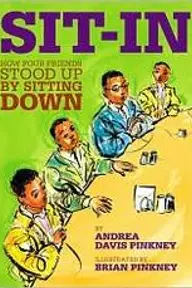
10. Sit-In: How Four Friends Stood Up by Sitting Down
Andrea Davis Pinkney
Sit-In tells how four friends stood up by sitting down at a Greensboro lunch counter. The language is clear and simple. The content note says the students faced racist insults and had food thrown at them. It suits ages 6 to 10. Choose it for a clear sit-in story, and talk through the insults before reading that scene.
Find it on Amazon
11. Through My Eyes
Ruby Bridges
Through My Eyes is a memoir in which Ruby Bridges tells of integrating a New Orleans school in her own words. The content note covers threats, angry crowds, and federal marshals escorting her to school. It suits ages 8 to 12. Choose it for a reader who wants a firsthand voice, and expect a careful conversation about the threats.
Find it on AmazonChapter books, memoir and nonfiction
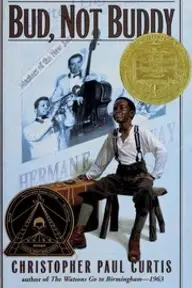
12. Bud, Not Buddy
Christopher Paul Curtis
Bud, Not Buddy follows a boy during the Depression era as he searches for his father. The content note covers the death of his mother, an abusive foster home, and Depression-era poverty. It suits ages 9 to 12. Choose it for an independent reader who likes a search story, and be ready to talk through the foster home and the loss of his mother.
Find it on Amazon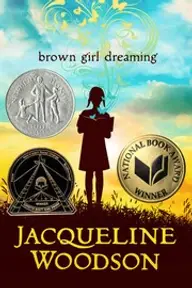
13. Brown Girl Dreaming
Jacqueline Woodson
Brown Girl Dreaming is Jacqueline Woodson’s memoir about her own childhood, written in verse. The content note covers Jim Crow segregation, racist incidents, and family illness and loss. It suits ages 10 to 14. Choose it for a reader ready for a memoir in verse, and read the content note on family illness and loss first.
Find it on Amazon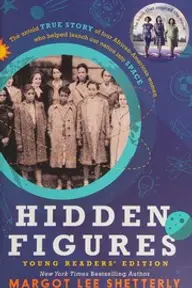
Choosing by Age and Reading Style
Start with the child’s age, then decide whether an adult reads the book aloud or the child reads it alone. Read-alouds suit the youngest listeners. Harlem suits ages 4 to 8, and Martin’s Big Words suits ages 5 to 9, so either can open a family’s reading of Black history.
The chapter books and memoir group is for independent readers aged about 9 to 14. Bud, Not Buddy suits ages 9 to 12, and Brown Girl Dreaming and Hidden Figures suit ages 10 to 14. A child who can read at that level but finds a book slow can read one chapter aloud with an adult and keep going.
Pairing a Heavier Book with a Gentler One
Several picks cover enslavement, so a family can pair a heavier title with a gentler one and spread the hard material across more than one reading. Freedom Over Me covers auction sales and families being broken apart, and it suits ages 6 to 10. Ellen’s Broom also covers enslavement, but its tone is warm. It suits ages 5 to 8.
Let the Children March shows police dogs, fire hoses, and mass arrests of children. Read it after a gentler pick such as Ellen’s Broom, and stay with the child through the pictures.
When a Pick Does Not Land
If a child stops partway through a book, put it down and choose another title from the same group rather than forcing the ending. The group labels make a swap easy, since a child who sets aside a picture-book biography can move to another read-aloud or a freedom story.
Hard content can also make a child stop, so pause. Read the content note for that book again, then decide whether to finish it together or return to it later.
A book that stalls for a child who reads well may simply be the wrong match for their interest. Switch to a book on a different subject in the same age range, since every book’s note lists the ages it suits.
Content Notes for Parents and Teachers
Five picks deal directly with enslavement: Dave the Potter, Show Way, Henry’s Freedom Box, Ellen’s Broom, and Freedom Over Me. Each content note names the age range it covers, so a parent or teacher can match the note against the child in front of them.
The civil rights group holds the scenes of violence and protest, including police dogs, arrests of children, and insults at a lunch counter. Martin’s Big Words also covers violence against protesters and briefly covers King’s assassination. Read these notes before the child does, and plan a conversation for the scenes they name.
Bud, Not Buddy covers a mother’s death and an abusive foster home. Brown Girl Dreaming covers Jim Crow segregation, racist incidents, and family illness and loss, and Hidden Figures covers Jim Crow segregation and workplace discrimination. Independent readers may take these in alone, so read each note before the book goes home.
Where to Go After These Books
Once a child finishes these picks, the next step depends on what held their attention. A child who wants more picture books can browse the picture books list. A reader ready for longer novels can move on to chapter books. Teen readers should start from the teen reading list.
Adults who want help choosing across all ages can take the What should I read quiz, or browse Books to Read for Every Age and Moment to plan reading across several stages.