Mercy Watson to the Rescue, Ramona Quimby, Age 8, and The Wild Robot offer three distinct steps into independent reading.
Fourteen titles run from gentle, heavily illustrated series starters up to longer middle grade novels. The picks suit parents, teachers, and young readers looking for books to read independently.
Chapter Books for Young Readers, Grouped by Stage
First Steps: Early Illustrated Chapter Books
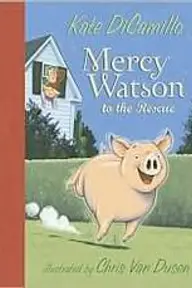
1. Mercy Watson to the Rescue
Kate DiCamillo
Mercy the pig loves buttered toast and lands in comic trouble. Full-color illustrations support beginning readers. The humor is visual and slapstick. Children who want complex fantasy worldbuilding or dense text can pass, while newly independent readers will gain quick confidence.
Find it on Amazon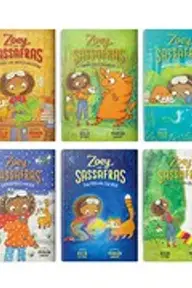
2. Zoey and Sassafras: Dragons and Marshmallows
Asia Citro
Zoey and her cat, Sassafras, meet magical creatures and use the scientific method to help them. The narrative blends the scientific method with whimsical fantasy in an accessible format. It works well for kids curious about science. Skip this pick if your child prefers grounded school humor over magical animals.
Find it on Amazon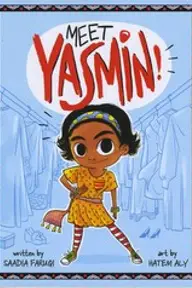
3. Meet Yasmin!
Saadia Faruqi
Yasmin is an energetic second-grader who tackles everyday problems. Episodic chapters let young children finish self-contained adventures in one sitting. The tone remains cheerful and supportive throughout. Readers looking for high-stakes danger or extended suspense should look to fantasy novels instead.
Find it on Amazon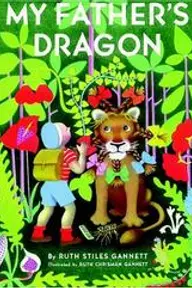
4. My Father's Dragon
Ruth Stiles Gannett
A boy sets out to rescue a captive baby dragon. The clever problem-solving keeps young readers engaged while the text stays light. It delivers a gentle quest structure. Children who demand modern graphic humor or rapid slang might find the pacing old-fashioned.
Find it on AmazonGrowing Confidence: Humor & Family Stories
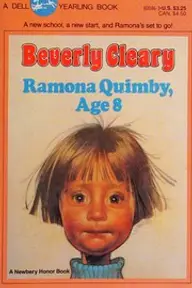
5. Ramona Quimby, Age 8
Beverly Cleary
Ramona manages the everyday social friction of elementary school, family routines, and personal mishaps. Her emotional highs and lows are funny and easy to recognize. The language is rich and easy to follow. If your reader wants mythical creatures or non-stop physical action, try an adventure series instead.
Find it on Amazon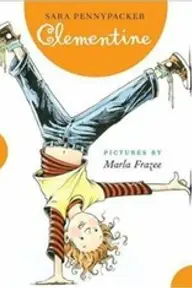
6. Clementine
Sara Pennypacker
Clementine is an observant, impulsive girl whose creative solutions frequently alarm adults. Her distinct first-person voice delivers continuous humor alongside relatable childhood worries. Readers who dislike talkative, high-energy protagonists might prefer a quieter animal story.
Find it on Amazon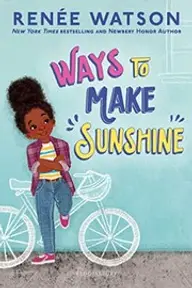
7. Ways to Make Sunshine
Renée Watson
Renée Watson gives a warm, grounded picture of family resilience and hope. The everyday stakes reflect real sibling interactions and school moments. It offers comfort and gentle encouragement. Children seeking fast-paced thriller mysteries or high magic should select an epic adventure instead.
Find it on Amazon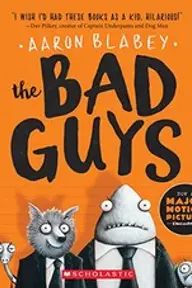
8. The Bad Guys
Aaron Blabey
A crew of misunderstood predators attempts to perform heroic deeds to reform their reputations. Heavily illustrated comic panels, snappy banter, and slapstick humor pull reluctant readers through chapters quickly. Note that the book includes cartoon violence and potty humor. Those seeking traditional paragraph-driven prose should choose a different title.
Find it on AmazonImaginative Quests & Animals
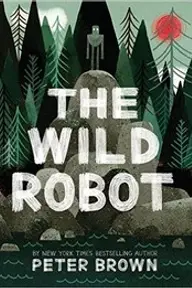
9. The Wild Robot
Peter Brown
A robot stranded on a remote island learns to live among the animals. Short chapters and clean prose keep momentum swift while exploring community, technology, and found family. Be aware of mild peril and predator-prey animal deaths. Skip this title if you want human domestic school stories.
Find it on Amazon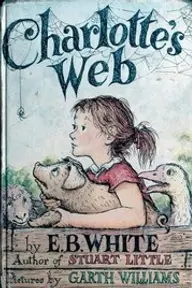
10. Charlotte's Web
E.B. White
A pig on a farm is befriended by a spider named Charlotte. The prose introduces rich vocabulary and quiet farm observations. It handles loyalty and the life cycle with grace, though it contains the poignant death of a beloved character. Very sensitive readers may need shared reading.
Find it on Amazon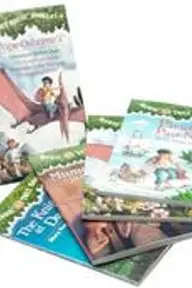
11. The Magic Tree House: Dinosaurs Before Dark
Mary Pope Osborne
Short chapter breaks help readers transition into series fiction easily. The adventure offers light suspense. Readers ready for complex character depth will outgrow this formula rapidly.
Find it on Amazon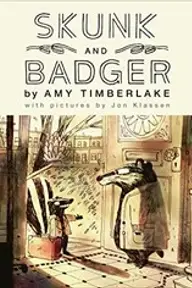
12. Skunk and Badger
Amy Timberlake
An odd-couple animal story about Skunk and Badger. Rich vocabulary, witty dialogue, and charming illustrations make this a good read-aloud or independent title. It moves at a relaxed, literary pace. Skip this book if your child needs rapid-fire physical action.
Find it on AmazonLonger Reads for Confident Readers
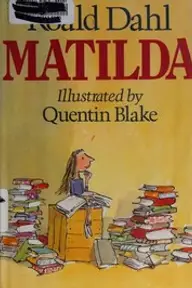
13. Matilda
Roald Dahl
An extraordinary young bookworm faces comically cruel grown-ups. Roald Dahl combines sharp satire, mischievous humor, and substantial text volume. Note the cartoonish adult cruelty and intimidation throughout. Children sensitive to harsh school environments might prefer gentler family novels.
Find it on Amazon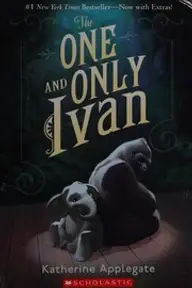
14. The One and Only Ivan
Katherine Applegate
A gorilla held captive in a mall dreams of something better. Told in short, spare entries, the narrative builds empathy. It contains sad themes regarding animal neglect and grief. Readers seeking upbeat, lighthearted comedy should look elsewhere.
Find it on AmazonHow to Match Chapter Books to Your Child
Transitioning from picture books to chapter books requires matching page layout to visual stamina. A child who meets small fonts and dense pages too early may tire quickly. Starting with heavily illustrated books like Mercy Watson to the Rescue provides visual breathing room while introducing episodic narrative structures.
As reading speed increases, children handle longer storylines with minimal artwork. Moving into titles like Ramona Quimby, Age 8 or Clementine gives readers longer stories to carry across days of independent reading. Pay attention to chapter length: short chapters give early readers natural pausing points and a feeling of steady progress.
- Early Illustrated: plenty of pictures alongside short text.
- Transitional Humorous: Fewer pictures, shorter paragraphs, and relatable daily school dilemmas.
- Confident Middle Grade: Longer text, fewer pictures, and deeper emotional stakes.
Read-Aloud Choices versus Independent Reading
A child can often follow a story read aloud that they could not yet read alone. Books that feel intimidating for a child to tackle solo often make captivating shared evening read-alouds. Titles such as Charlotte’s Web and Skunk and Badger suit reading aloud, with rich vocabulary and a relaxed pace.
For solitary reading practice, pick titles where the child recognizes almost every word on the page without pausing. The Bad Guys or The Magic Tree House: Dinosaurs Before Dark let readers cruise through text fluidly, which helps build reading speed and enthusiasm.
What to Do When a Chapter Book Stalls
Some children set an early chapter book down partway through. A drop-off can mean the vocabulary is tiring or the humor does not suit the child. Forcing a resistant child through a stalled chapter book creates friction; setting the title aside and swapping in an alternative format maintains momentum.
Graphic formats and illustrated episodic tales provide an easy ramp back into daily reading. You can browse funny books for kids for lighter picks, or explore books for 2nd graders and books for 3rd graders for more picks by grade.
Next Steps for Growing Readers
Once your reader comfortably completes transitional chapter books, you can introduce longer middle grade novels with bigger mysteries and worlds. Let the child direct their reading path by choosing between animal stories, school humor, or adventure.
To explore recommendations across age brackets and reading themes, check our directory of Books to Read for Every Age and Moment. For a tailored recommendation, try the What should I read quiz.