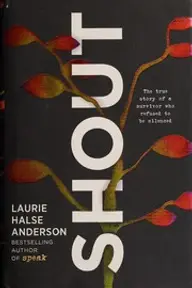
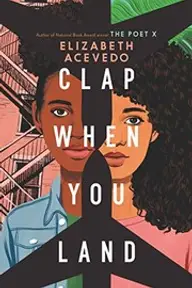
Speak, The Hate U Give, and The Outsiders are three of the fourteen realistic fiction novels below for teens, grouped by theme. They capture the raw friction of adolescence through believable voices, sharp community conflicts, and unvarnished emotional truths.
These fourteen titles are grouped into four themes: facing hard truths, first love and connection, identity and family expectations, and friendship and belonging.
Realistic Fiction Books for Teens, Grouped by Theme
Facing Hard Truths
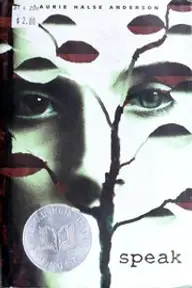
1. Speak
Laurie Halse Anderson
Melinda enters high school entirely friendless after calling the police on a summer party. Anderson captures the weight of silence, depression, and social exile before revealing the sexual assault behind Melinda’s choice. Art class becomes her solitary outlet for recovery. Skip this book if you need lighthearted comedy or fast romantic banter. Choose it for a plain depiction of personal trauma and the courage required to speak out.
Find it on Amazon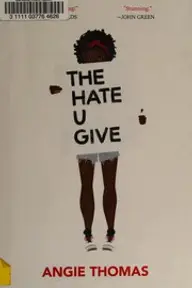
2. The Hate U Give
Angie Thomas
Starr Carter moves daily between her poor neighborhood and her wealthy suburban prep school. That fragile divide shatters when she witnesses a police officer shoot her unarmed childhood friend. Thomas creates an immediate, vibrant family life while confronting systemic racism, public protests, and community grief. Readers looking for quiet introspective solitude will find the political stakes intense. It contains strong language and gun violence. Pick it for contemporary social realism and electric pacing.
Find it on Amazon
3. All American Boys
Jason Reynolds and Brendan Kiely
Two classmates experience the fallout of a brutal assault when an officer mistakes Rashad for a shoplifter and Quinn witnesses the violence. Reynolds and Kiely alternate perspectives to show how one incident divides their high school, athletic team, and city. The structure gives readers two clear windows into accountability and complicity. If you dislike dual narrators or heavy athletic backgrounds, pick another title. Choose it for nuanced dialogue on racial profiling.
Find it on Amazon
4. Looking for Alaska
John Green
Miles leaves home for an Alabama boarding school seeking a broader existence, falling hard for the clever, unpredictable Alaska Young. Green divides the story into a clean before-and-after structure centered on an unexpected tragedy. The narrative examines intense campus pranks alongside questions of grief, guilt, and philosophical meaning. It contains underage drinking, smoking, sexual content, and grief over a death. Skip it if you want high fantasy or neat resolutions.
Find it on AmazonFirst Love & Connection
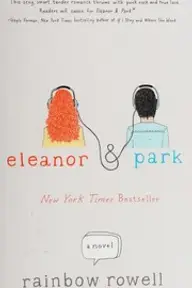
5. Eleanor & Park
Rainbow Rowell
Two high school outcasts form a connection over comic books and music on a tense morning bus ride. Rowell avoids tidy romantic cliches, grounding the relationship in sharp social anxiety, body insecurity, and a dangerous domestic home life. Eleanor deals with poverty and an abusive stepfather, while Park struggles with family expectations. Readers sensitive to profanity, bullying, and domestic distress should take note before starting.
Find it on Amazon
6. To All the Boys I've Loved Before
Jenny Han
Lara Jean writes private letters to every boy she ever loved, locking them away in a hatbox until someone secretly mails them. The resulting chaos forces her into a fake relationship. Han delivers a warm, character-driven story filled with sisterhood, baking, and low-stress romantic drama. If you want gritty street realism or social protest, choose a heavier title instead.
Find it on Amazon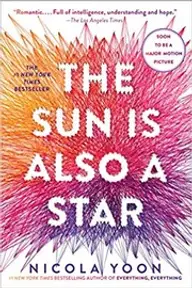
7. The Sun Is Also a Star
Nicola Yoon
Natasha faces imminent deportation to Jamaica, while Daniel prepares for a college admissions interview he does not want. They cross paths on the streets of New York City, testing science against destiny across a single shared day. Yoon weaves brief third-person histories of passersby into their central romance. Readers who dislike rapid romance arcs might find the timeframe compressed, but the cultural stakes keep it compelling.
Find it on Amazon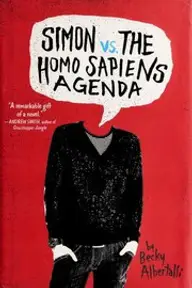
8. Simon vs. the Homo Sapiens Agenda
Becky Albertalli
Simon keeps his sexual orientation private while trading anonymous, heartfelt emails with a classmate known only as Blue. When an email falls into the wrong hands, a peer blackmails Simon to secure a date with his friend. Albertalli balances musical theater rehearsals and teenage banter with the very real anxiety of being outed against your will. Skip this pick if you want gritty drama; pick it for genuine humor.
Find it on AmazonIdentity & Family Expectations
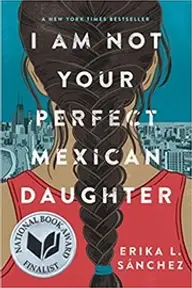
9. I Am Not Your Perfect Mexican Daughter
Erika L. Sánchez
Julia grieves the sudden loss of her sister Olga while enduring constant criticism from her traditional immigrant mother. When Julia uncovers evidence that Olga led a complicated secret life, she investigates the truth behind the family facade. Sánchez addresses depression, mental health treatments, and cultural expectations with fierce, sarcastic humor. This story includes a suicide attempt, sexual content, and raw grief that sensitive readers should prepare for.
Find it on Amazon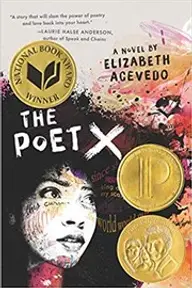
10. The Poet X
Elizabeth Acevedo
Xiomara Batista feels unvoiced in her Harlem neighborhood, using a notebook to pour out her doubts about religion and strict family rules. She discovers an outlet when invited to join her school’s slam poetry club. Acevedo writes the entire narrative as verse. Readers wanting dense prose paragraphs may pass, while fans of spoken word and immediate voice will fly through. It touches on strict parenting, religious conflict, and mild sexual situations.
Find it on Amazon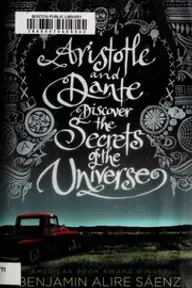
11. Aristotle and Dante Discover the Secrets of the Universe
Benjamin Alire Sáenz
Aristotle is an angry, solitary teen who meets Dante, an expressive teen who views the world with openness. Their slow bond deepens across desert summers and an episode of homophobic violence. Sáenz uses sparse, lyrical prose to explore ethnic identity, masculinity, and hidden love. If you prefer high-speed action and sudden twists, this contemplative story will feel slow. Read it for quiet, character-centered emotional discovery.
Find it on Amazon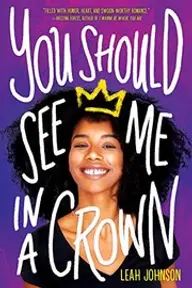
12. You Should See Me in a Crown
Leah Johnson
Liz Lighty hopes to leave her small Indiana town for college and enters the race for prom queen to win a scholarship. The campaign tests her social anxiety, especially after she begins falling for the new girl who is also competing for the crown. Johnson delivers joyful Black queer representation alongside real discussions of panic attacks and racism. Skip it if you dislike high school pageant frameworks.
Find it on AmazonFriendship & Belonging
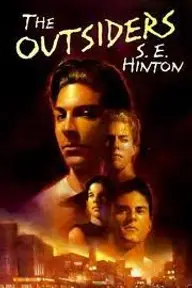
13. The Outsiders
S.E. Hinton
Ponyboy Curtis lives on the poor side of the tracks alongside his brothers and fellow Greasers, clashing constantly with wealthy Socs. A fatal fight in a park forces Ponyboy into hiding, pushing brotherly devotion to its absolute limit. Hinton writes about class divides, adolescent alienation, and physical violence. If you seek modern technological settings, look elsewhere. For loyalty and brotherhood, start here.
Find it on Amazon
14. The Perks of Being a Wallflower
Stephen Chbosky
Charlie enters his freshman year of high school coping with a friend’s suicide and chronic isolation, writing letters to an anonymous recipient. Two charismatic seniors introduce him to independent music, house parties, and real belonging before the past catches up with him. Chbosky writes in a vulnerable voice that covers childhood sexual abuse, substance use, mental breakdowns, and grief. Readers seeking lighthearted, easy comfort should pass on this intense book.
Find it on AmazonWhat Defines Realistic Fiction for Teen Readers
Realistic fiction reflects teenage life without fantasy magic, space technology, or supernatural monsters. The tension arises directly from high school corridors, dining room tables, police encounters, and neighborhood streets. Characters grapple with problems that high schoolers face every week, including changing friendships, academic pressure, grief, family conflict, and emerging independence.
These novels act as mirrors for teens living through hard personal circumstances and as windows into communities different from their own. In The Hate U Give and All American Boys, readers witness how real institutional inequities strain normal families. In Eleanor & Park and Speak, the stories examine intimate personal vulnerability.
How to Match a Book to a Teen Reader
Selecting the right realistic novel requires matching narrative pacing and format to the teen’s current reading habits. A reader who struggles with heavy exposition may stall out in slow-burning books like Aristotle and Dante Discover the Secrets of the Universe. Pairing that same reader with The Poet X works better because the verse format provides instant white space and immediate emotional energy.
Consider whether the reader seeks comfort, romance, or social awareness before handing over a title. A teen seeking cheerful romantic comedy will enjoy To All the Boys I’ve Loved Before or Simon vs. the Homo Sapiens Agenda, but may find The Perks of Being a Wallflower emotionally exhausting. Matching book tone to current emotional capacity keeps reading rewarding.
- Pacing: Pick immediate, dramatic openers like The Hate U Give for teens who put books down quickly.
- Format: Explore verse novels like The Poet X for readers who feel intimidated by dense blocks of text.
- Tone: Balance emotionally demanding novels with lighter romances like To All the Boys I’ve Loved Before.
- Class Divides: Choose coming-of-age novels like The Outsiders for readers curious about class struggles.
Handling Sensitive Themes and Content in YA Fiction
Young adult realistic fiction frequently addresses mature themes because adolescence involves confronting adult realities for the first time. These novels include sexual violence, police brutality, domestic trauma, substance use, and suicidal depression.
Parents and teachers should review content notes ahead of time to decide whether a teenager is ready to read alone or would benefit from shared discussion. A title like Speak depicts sexual assault and can stir strong feelings. Reading together allows trusted adults to answer questions about consent, grief, and mental health when difficult passages arise.
What to Do When a Realistic Novel Does Not Land
Giving up on an unengaging book is a normal part of building strong reading habits. If a teen feels detached from the protagonist’s voice, let them put the book down without penalty. Forcing a reader through a novel that is not working can make reading feel like a chore.
Switching formats can help before abandoning a difficult book entirely. An audiobook is one option for a reader who finds the print pages tiring. If dense paragraphs cause fatigue, step back to shorter chapters or explore books for 13 year olds to rebuild reading momentum.
Where to Read Next
Once a reader finishes these titles, their next selection depends on which narrative element felt most compelling. If the spare poetic rhythm of Elizabeth Acevedo resonated, browse our guide to novels in verse for more titles told through poetry. Readers drawn to the raw brotherhood and social friction of S.E. Hinton can try books like The Outsiders.
If Charlie’s introspective letters left a lasting impression, check out books like The Perks of Being a Wallflower to find similar coming-of-age novels. You can also explore our broader catalog of books for teens, take the What should I read quiz, or browse Books to Read for Every Age and Moment.