The Hunger Games, The Giver, and One of Us Is Lying give thirteen-year-olds immediate hooks, moral stakes, and sharp pacing without patronizing their intelligence.
The picks fall into four groups: dystopian fiction, fantasy quests, mystery thrillers, and contemporary stories. They suit thirteen-year-olds moving from upper middle grade to early young adult books, and the parents and educators choosing titles alongside them.
Thirteen marks a noticeable shift in reading taste. Many readers at this age look for complex world-building, high-stakes dilemmas, and teenage perspectives.
Books for 13 Year Olds, Grouped by Genre
Dystopian & Sci-Fi
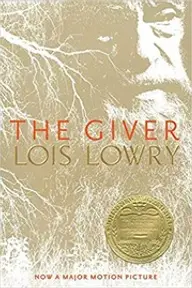
1. The Giver
Lois Lowry
Jonas lives in an apparently peaceful community where pain and conflict have been converted into strict conformity. Assigned to receive the community’s collective memories, he learns the heavy cost of stability. The story tackles emotional isolation and freedom with quiet clarity. Note that it touches on infanticide and emotional control. Skip this if your reader demands constant action scenes, but pick it for deep philosophical reflection.
Find it on Amazon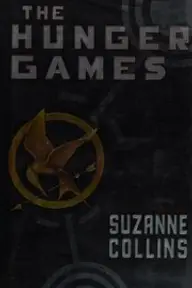
2. The Hunger Games
Suzanne Collins
Katniss Everdeen volunteers to take her sister’s place in a televised tournament where teenagers fight to the death. The narrative moves at a blistering pace driven by survival instincts, political coercion, and sensory detail. It features intense peril, combat violence, and the deaths of minors. Readers sensitive to physical violence should choose a gentler title, while fans of breathless survival quests will devour it.
Find it on Amazon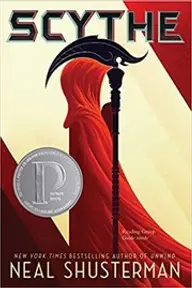
3. Scythe
Neal Shusterman
In a future where disease and natural death are eliminated, a professional organization of scythes is tasked with keeping the population under control. Two apprentices learn the craft while facing internal corruption and stark moral choices. The premise raises complex questions about justice and mortality. The story includes frequent death scenes and violence. Skip this if you prefer lighthearted escapism, but choose it for world-building and ethical puzzles.
Find it on Amazon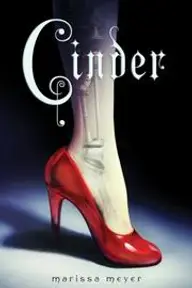
4. Cinder
Marissa Meyer
Cinder is a gifted mechanic and second-class cyborg living in futuristic New Beijing while a lethal plague threatens the populace. Her life tangles with royalty, politics, and her own forgotten past. The book blends classic fairy tale motifs with science fiction technology and social prejudice. Skip this if you want grounded realism, but sci-fi fans who love adventurous heroines will enjoy it.
Find it on AmazonFantasy & Adventure
5. Six of Crows
Leigh Bardugo
Kaz Brekker leads a crew of six dangerous outcasts on an impossible heist into an impenetrable military stronghold. The narrative switches between several points of view, revealing personal backgrounds, physical trauma, and sharp tactical schemes. Content includes street violence, criminal underworld grit, and references to human trafficking. Readers who dislike tracking large casts should look elsewhere, but heist lovers will appreciate the clever teamwork.
Find it on Amazon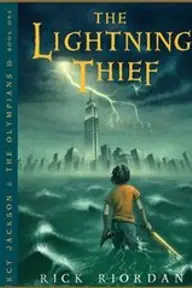
6. The Lightning Thief
Rick Riordan
Percy Jackson discovers he is the demigod son of Poseidon right as Zeus accuses him of stealing his master lightning bolt. Fast-moving chapters, irreverent humor, and modern encounters with Greek mythological creatures keep the reading effortless. Fantasy combat is energetic and heroic, with little graphic detail. If your reader wants serious teenage romance or dense prose, look elsewhere. Pick this for an accessible adventure that restores reading momentum.
Find it on Amazon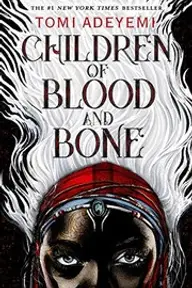
7. Children of Blood and Bone
Tomi Adeyemi
Zélie Adebola fights to restore magic to the land of Orïsha after a ruthless monarchy eliminates practitioners. Inspired by West African mythology, the story delivers high stakes, elemental magic battles, and intense struggles against state oppression. The narrative contains raw violence, cruelty, and emotional grief. Skip this title if you want low-stakes fantasy, but select it for rich world-building, fierce loyalty, and urgent pacing.
Find it on Amazon8. The Hobbit
J.R.R. Tolkien
Bilbo Baggins leaves his comfortable home to join a company of dwarves seeking to reclaim their mountain treasure from a dragon. The narrative voice is warm and conversational, balancing perilous wilderness encounters with dry wit. It offers a quest, riddles, and epic stakes. Readers who need snappy modern dialogue might find the descriptive prose leisurely, but patient fantasy readers will enjoy the quest.
Find it on AmazonMystery & Thrillers
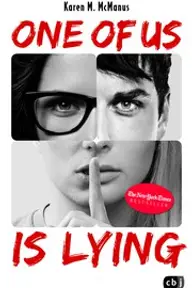
9. One of Us Is Lying
Karen M. McManus
Five high school students enter detention, but only four walk out alive after the creator of a notorious school gossip app collapses. Each surviving student has a secret to hide, forcing readers to sift through shifting motives and alibis. The story deals with teen death, drug use, and suicide. Readers looking for cozy, low-stress mysteries should avoid it, while fans of fast-paced whodunits will race through the clues.
Find it on Amazon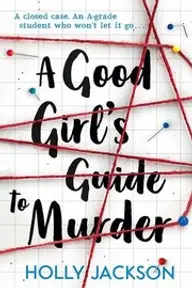
10. A Good Girl's Guide to Murder
Holly Jackson
Pip Fitz-Amobi investigates a closed local murder case for her senior project, convinced the boy blamed for the crime was wrongly accused. The investigation unfolds through interview transcripts, journal notes, and suspicious town secrets. Content includes discussions of murder, drugging, and mentions of sexual assault. Skip this if you prefer light puzzles without real-world crime elements, but choose it for deductive plotting and determined sleuthing.
Find it on Amazon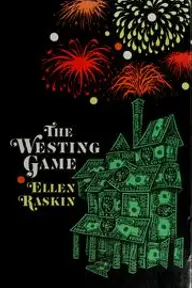
11. The Westing Game
Ellen Raskin
Sixteen heirs assemble in an eccentric apartment building to compete for the fortune of an industrialist through word games and riddles. The story rewards careful readers who pay close attention to clues, false identities, and character motives. It features brief comedic chaos and minor explosions without grim violence. If your reader seeks dark contemporary drama, choose a different title. Pick this for the puzzles and the humor.
Find it on AmazonContemporary
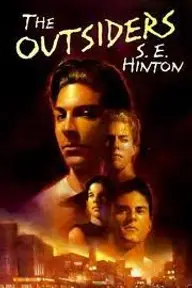
12. The Outsiders
S.E. Hinton
Ponyboy Curtis lives amid territorial clashes between working-class greasers and wealthy Socs while relying on his brothers and close friends. Written from an authentic teen perspective, it explores class divides, brotherhood, and raw vulnerability. The plot includes gang fighting, knife violence, teen smoking, and sudden loss. Readers who want pure fantasy escapism can pass, but those drawn to emotional frankness and character bonds will connect deeply.
Find it on Amazon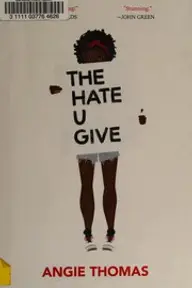
13. The Hate U Give
Angie Thomas
Starr Carter moves between her poor neighborhood and her suburban prep school until she witnesses the fatal police shooting of her childhood friend. The novel explores grief, activism, community solidarity, and finding one’s public voice under scrutiny. Content includes profanity, systemic racism, police violence, and trauma. Skip this if you are seeking light school comedy, but pick it for contemporary realism, family strength, and moral courage.
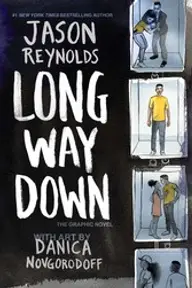
Find it on Amazon14. Look Both Ways: A Tale Told in Ten Blocks
Jason Reynolds
Ten interconnected vignettes capture middle school students walking home after the dismissal bell, each chapter revealing humor, secret worries, and sudden tenderness. Reynolds writes in a lively, voice-driven style. Readers who demand one continuous, suspenseful plot might find the vignette structure loose, but it offers a lively voice and an easy way in.
Find it on AmazonWhat Reading Looks Like for 13 Year Olds
Thirteen-year-olds sit at the boundary between middle grade fiction and young adult novels. Readers at this age can manage layered plot structures, ambiguous moral outcomes, and complex emotional perspectives without requiring visual aids. They are capable of evaluating an unreliable narrator and connecting individual character actions to broader societal themes.
Reading stamina also shows broad variation across any group of thirteen-year-olds. A teenager who reads sprawling fantasy worlds like Six of Crows can easily share an interest in short, episodic stories like Look Both Ways: A Tale Told in Ten Blocks. Providing choices across multiple formats keeps engagement steady without enforcing arbitrary difficulty metrics.
- Pacing preferences: Some thirteen-year-olds want immediate action in chapter one, while others appreciate steady atmospheric buildup.
- Perspective shifts: Multi-perspective novels help teens understand how the same conflict looks to different people.
- Format diversity: Mixing full-length novels with short story collections or audiobooks sustains momentum when school schedules grow busy.
How to Match a Book to Your Teenager
Select books by matching the specific tension of a story to what already catches your teen’s attention. If your reader gravitates toward high-stakes survival dilemmas and social commentary, explore dystopian books for teens such as The Hunger Games or Scythe. These books use speculative rules to test how characters behave when placed under pressure.
Readers who enjoy untangling secrets and tracking clues flourish with mystery structures. Titles like One of Us Is Lying and A Good Girl’s Guide to Murder pull teens directly into the puzzle with secrets and shifting suspicions. For readers who prefer timeless intellectual riddles over contemporary crime drama, The Westing Game provides complex word puzzles without heavy subject matter.
For readers who want stories about friendship, social class, and personal identity, contemporary fiction is a strong place to start. The Outsiders and The Hate U Give show young protagonists standing up for their communities while managing difficult real-world conflicts. Matching a book to an authentic interest creates natural reading habits.
- High-stakes speculative tension: Pick Scythe or Cinder for inventive worlds that interrogate social rules.
- Deductive puzzles: Choose One of Us Is Lying or The Westing Game for clue gathering and active deduction.
- Mythological and quest fantasy: Choose The Lightning Thief or The Hobbit for epic quests and physical peril.
- Social realism: Choose The Hate U Give or The Outsiders for grounded emotional stakes and community loyalty.
Content Boundaries for Young Teens
The shift into young adult fiction introduces mature themes that call for a parent’s attention. Young adult novels regularly address physical peril, substance use, systemic injustice, grief, and budding romance. These elements reflect the broader world teenagers observe around them, offering safe fictional spaces to process difficult realities.
Content intensity varies a great deal from book to book. Titles like The Lightning Thief and The Westing Game keep violence stylized or mild, making them approachable for readers sensitive to intense physical peril. In contrast, books like The Hunger Games and Children of Blood and Bone depict direct physical combat, death, and oppressive regimes.
When evaluating contemporary fiction, consider your teen’s comfort with real-world emotional weight. A Good Girl’s Guide to Murder and One of Us Is Lying feature murder investigations, and mentions of sexual assault or suicide. Discussing these topics openly helps young readers select titles that match their emotional maturity.
What to Do When a Pick Does Not Land
Putting down an unengaging book is a standard part of developing healthy reading discretion. Forcing a teenager to finish every book they open can turn recreational reading into a tedious obligation. If your teen reads a few chapters and remains uninterested, encourage them to shelve the title and choose a different genre.
Switching formats can resolve reading fatigue before an interest in books fades entirely. Audiobooks provide a bridge for complex narratives like The Hobbit or Six of Crows. Listening while looking at print pages can also ease the mental effort of dense descriptive passages.
If heavy young adult themes feel overwhelming, step back into upper middle grade adventures that maintain sophisticated plots without bleak emotional stakes. You can look through books for 8th graders for balanced school-year reading, or browse broader books for teens to find titles that match different reading preferences.
Where to Go After Finishing These Books
Once your thirteen-year-old finishes a few of the books above, their next choice depends on the specific story elements they enjoyed most. If the bleak arena survival and rebellion in Panem caught their imagination, look into books like The Hunger Games for similar high-stakes speculative adventures.
Readers who felt a strong connection to the intense loyalty and brotherhood of Ponyboy Curtis can explore books like The Outsiders to find classic and modern stories centering on friendship and social friction. These related titles help teenagers expand their reading lists around established interests.
If your reader remains undecided about what genre to explore next, they can try our interactive What should I read quiz to discover personalized ideas. You can also explore Books to Read for Every Age and Moment to browse reading recommendations organized across different age brackets.