My Side of the Mountain, Far North, and The Cay offer the closest match to the wilderness trials Gary Paulsen created for Brian Robeson. At ReadNext, we match books on what made the original story work, focusing on physical realism, solitary problem-solving, and the emotional weight of isolation. Each places a young protagonist in the wild with almost nothing, forcing them to turn mistakes into survival lessons without modern tools.
The twelve selections below are grouped by their core survival challenge, starting with solitary resourcefulness and moving into subarctic expeditions and internal reckonings. Middle grade readers, young adults, and older readers looking for grounded outdoor fiction will find their next adventure here.
Books Like Hatchet, Grouped by Survival Challenge
Solo survival with bare minimum gear
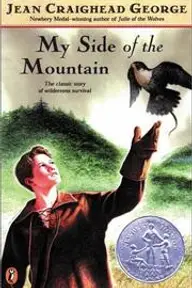
1. My Side of the Mountain
Jean Craighead George
Sam Gribley leaves New York City to live on his family land in the Catskill Mountains with little more than a penknife and a ball of cord. Readers who enjoyed Brian building shelters and hunting food will appreciate the detailed daily logistics of building a home inside a hollow hemlock tree and training a peregrine falcon. Readers who need immediate physical peril instead of steady bushcraft should look elsewhere.
Find it on Amazon2. Island of the Blue Dolphins
Scott O'Dell
Left stranded on an isolated Pacific island, Karana spends years building shelters, hunting food, and defending herself against wild dogs. Like Brian, Karana faces severe grief while inventing practical tools from whale bones and native brush. The steady pacing matches Gary Paulsen’s focus on self-reliance, though readers who want modern technology or fast-paced dialogue may find Karana’s solitary silence too quiet.
Find it on Amazon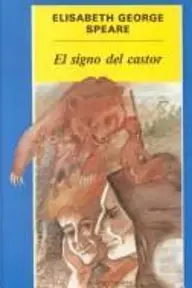
3. The Sign of the Beaver
Elizabeth George Speare
Matt is left alone to guard his family cabin in the Maine wilderness while his father travels to fetch his mother and sister. After an intruder steals his rifle, Matt must learn subsistence hunting and foraging from a neighboring Penobscot boy named Attean. The focus on wilderness knowledge over brute force will please fans of Brian’s hard-won lessons.
Find it on Amazon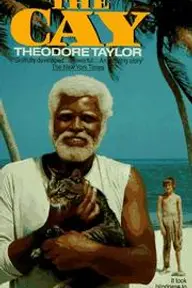
4. The Cay
Theodore Taylor
Blinded during a wartime shipwreck, Phillip is stranded on a barren coral cay with an older West Indian sailor named Timothy and a cat. Phillip must overcome his own physical vulnerability and racial prejudice to learn fishing, shelter building, and survival. It delivers the same harsh environmental testing found in Hatchet, though the emotional friction between two survivors replaces the solitary isolation of Brian.
Find it on Amazon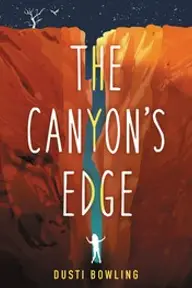
5. The Canyon's Edge
Dusti Bowling
Written in verse and poetic prose, this story follows Nora as a flash flood sweeps away her father and their gear in an Arizona canyon. Nora must face physical dehydration, steep climbs, and venomous creatures while wrestling with intense grief. The immediate physical desperation matches the early chapters of Hatchet. Readers who prefer traditional chapter prose over verse structures might find the format jarring.
Find it on AmazonStranded in the unforgiving northern wilderness
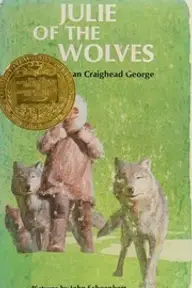
6. Julie of the Wolves
Jean Craighead George
Lost on the North Slope of Alaska without food, Miyax survives by studying the communication patterns of a nearby wolf pack until they accept her. The Arctic wilderness demands the same quiet observation that saved Brian in the Canadian woods. Readers looking for rapid human dialogue will find long stretches of solitary contemplation. One scene involves an attempted sexual assault by her arranged husband.
Find it on Amazon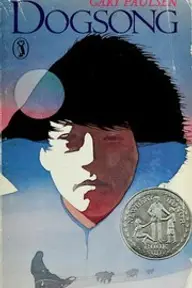
7. Dogsong
Gary Paulsen
Russel Susskit takes a dogsled team into the frozen northern tundra on an open trek of self-discovery and survival. Written by Gary Paulsen, the narrative shares Hatchet’s sparse sentence structure and deep reverence for the cold subarctic wilderness. The conflict is philosophical and environmental instead of an accidental disaster. Readers looking for a modern rescue plot will encounter an older, traditional rhythm.
Find it on Amazon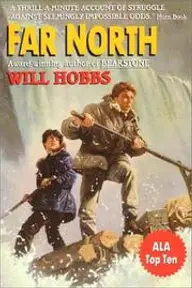
8. Far North
Will Hobbs
A bush plane loses power over the remote Northwest Territories of Canada, leaving two teenage boys and a Dene elder stranded as winter settles in. The plane crash opening directly mirrors the premise of Hatchet. The boys must construct snowshoes, build winter shelters, and hunt game in sub-zero temperatures. Skip this title if you only want solo protagonist stories without group conflict.
Find it on Amazon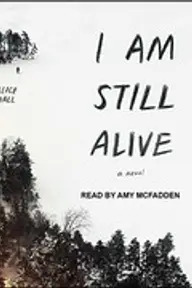
9. I Am Still Alive
Kate Alice Marshall
Jess is left alone in the Canadian wilderness after an act of violence claims her father, leaving her with a crippled leg, a dog, and burning cabin ruins. She must prepare for winter through harsh physical labor and painful trial and error. The survival details are raw and punishing. Note that the plot involves external human antagonists and threats of violence that skew older than middle grade.
Find it on Amazon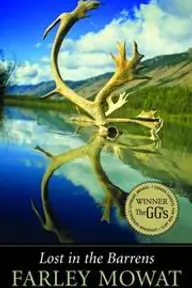
10. Lost in the Barrens
Farley Mowat
Jamie and Awasin become separated from a hunting expedition and must survive a brutal subarctic winter in northern Canada. Together they build a stone cache, fashion hunting tools, and battle starvation as caribou herds move south. The story shares Hatchet’s authentic Canadian woods setting and focus on hunting skills, though the cooperative survival dynamic offers companionship that Brian lacked.
Find it on AmazonConfronting nature, isolation, and danger
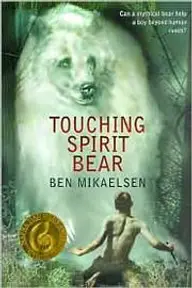
11. Touching Spirit Bear
Ben Mikaelsen
Cole Matthews avoids prison by accepting exile on a remote Alaskan island, where he is mauled by a rare white bear and left helpless in the rain. His survival hinges on processing destructive anger and accepting the indifference of nature. The story mirrors Brian’s internal evolution from self-pity to mental resilience. Readers sensitive to intense physical trauma and anger should approach with care.
Find it on Amazon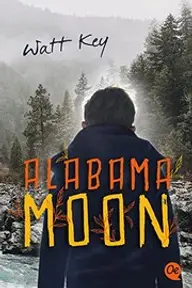
12. Alabama Moon
Watt Key
Moon Blake has lived off the grid in the Alabama forests his whole life, learning to hunt, trap, and build shelters from his anti-government father. When his father dies, Moon must use his outdoor skills to evade local authorities through thick swamps and woods. The survival mechanics are practical and grounded. Readers seeking an accidental disaster scenario will find an intentional wilderness lifestyle instead.
Find it on AmazonThe Core Elements That Made Hatchet Work
Hatchet succeeds because nature acts with complete indifference without malice. The Canadian wilderness does not hate Brian. It simply obeys its own seasonal and physical laws. A sudden storm destroys a fragile shelter, a porcupine defends itself when kicked in the dark, and hunger does not care about tears. Survival readers look for that shift from panic to methodical problem-solving. When a character stops lamenting their situation and inspects what they have, the real narrative begins.
The small scale of the equipment also heightens the tension. Brian does not drop into the forest with a loaded expedition backpack and emergency rations. He has the clothes on his back, a torn windbreaker, and the hatchet his mother gave him. That material constraint forces the reader to think alongside the character. Every spark struck against stone, every strip of bark peeled for tinder, and every fish spear carved with dull edges carries immense weight.
How to Pick Your Next Survival Read by Setting and Tone
Readers who want the exact bush-plane crash setup should start with Far North, where the frozen subarctic winter raises the physical stakes immediately. If your favorite aspect was Brian working with bare hands to build a cozy, functional homestead, My Side of the Mountain offers the most detailed look at food preservation, shelter construction, and animal training.
For readers who gravitated toward Brian wrestling with grief, anger, and family breakdown, Touching Spirit Bear and The Canyon’s Edge emphasize psychological healing amid physical danger. Choose Julie of the Wolves or Dogsong when you want deep quiet and stark subarctic settings that demand patient observation of animal behavior.
Age Fit and Content Considerations for Younger Readers
Hatchet is written for middle grade readers, but it deals with serious trauma including a fatal pilot heart attack and emotional distress over divorce. Most of these titles match that middle grade reading level, but two selections address older audiences with heavier themes.
I Am Still Alive features human adversaries, murder, and darker physical peril appropriate for young adult readers instead of elementary students. Julie of the Wolves contains a brief scene where Miyax faces an attempted sexual assault by her arranged husband before fleeing into the tundra. Parents and educators should review those specific scenes before handing those titles to younger children.
Who Should Look Elsewhere for Their Next Book
These books do not suit readers looking for high-tech dystopian tournaments, fast urban adventures, or fantasy magic systems. If you prefer high-stakes social competition with futuristic arenas instead of solitary camp craft, explore Books Like The Hunger Games.
Readers who want mythological quests, magical abilities, or team-based problem-solving will find these quiet wilderness narratives slow. In that case, try Books Like Percy Jackson or Books Like Harry Potter. Our pick changes if you want supernatural adversaries: choose Books Like Percy Jackson instead of natural weather and animal behavior.
Where to Go Once You Finish These Stories
Readers who want to discover their ideal genre balance can take our What should I read quiz to filter books by setting, pace, and protagonist type. You can also explore our broader catalog of read-alikes at Books Like the One You Just Finished.
If you decide to continue tracking solitary wilderness survival, pick up My Side of the Mountain or Far North next.