The Outsiders, Long Way Down, and Scythe represent the strongest books for 8th graders because they treat young readers with intellectual respect while maintaining brisk pacing. At ReadNext, we match these picks on pacing, voice, and age fit, prioritizing stories that balance mature questions with age-appropriate emotional ground.
Eighth grade marks a distinct threshold where readers often outgrow elementary themes but may get overwhelmed by adult pacing or explicit content. The selections below reflect four common reader temperaments: contemporary coming-of-age, fast dystopia, expansive fantasy, and historical suspense.
Recommended Books for Eighth-Grade Readers
Contemporary & Coming-of-Age
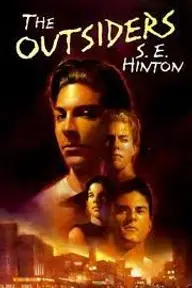
1. The Outsiders
S. E. Hinton
S. E. Hinton creates an immediate bond through Ponyboy Curtis and his circle of Greasers in Oklahoma. Readers connect with the raw exploration of socioeconomic divides, loyalty, and street defense. The dialogue feels direct, and the stakes stay grounded in neighborhood reality. The story depicts gang fights, underage drinking, cigarette smoking, and thematic death. Readers who want light humor or modern digital settings should look elsewhere.
Find it on Amazon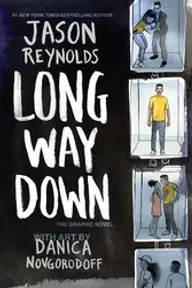
2. Long Way Down
Jason Reynolds
Jason Reynolds delivers a tense story written entirely in verse that takes place during a single sixty-second elevator ride. Will steps in carrying a gun to avenge his brother, meeting ghosts of neighborhood violence on every floor. The verse format offers abundant white space, making the reading process fast without softening the emotional weight. The narrative centers on gun violence, grief, and cycles of retaliation. Skip if verse feels disjointed to the reader.
Find it on Amazon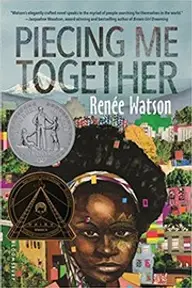
3. Piecing Me Together
Renée Watson
Renée Watson follows Jade, an artistic teenager attending a private school on scholarship while managing expectations from mentors who treat her as an outreach project. The writing is quiet, observant, and deeply human. It gives voice to creative expression, mentorship, and socioeconomic contrast in Portland. The novel discusses racial prejudice and systemic inequality in thoughtful prose. Readers looking for high-octane physical danger will find the pacing reflective.
Find it on Amazon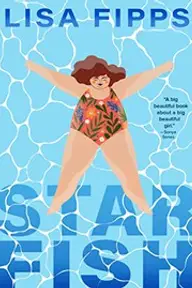
4. Starfish
Lisa Fipps
Lisa Fipps writes a candid story in verse about Ellie, a middle schooler who faces relentless fat-shaming at school and at home. Finding refuge in the swimming pool and support through weekly therapy, Ellie learns to assert boundaries and claim physical space. The verse structure helps young readers process difficult emotional scenes quickly. The text includes harsh bullying, verbal cruelty, and family tension. Readers sensitive to eating struggles should approach with care.
Find it on AmazonDystopia & Page-Turning Thrills
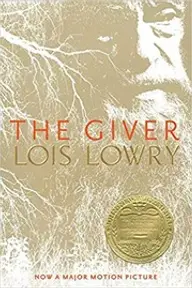
5. The Giver
Lois Lowry
Lois Lowry constructs a seemingly peaceful community where Jonas receives the assignment of Receiver of Memory and discovers the cost of total sameness. The novel moves with controlled tension, challenging eighth graders to examine comfort, personal agency, and the suppression of grief. The plot contains unsettling revelations regarding community euthanasia, infanticide, and forced compliance. Readers seeking explosive martial combat will encounter deliberate philosophical suspense instead.
Find it on Amazon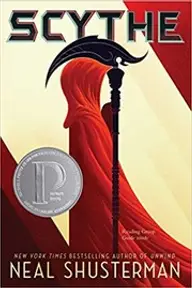
6. Scythe
Neal Shusterman
Neal Shusterman sets up a futuristic world where illness, aging, and natural death have been eradicated, requiring an order of scythes to cull the population. Citra and Rowan become unwilling apprentices to the same mentor, forcing them into a high-stakes ethical competition. The worldbuilding raises sharp moral debates about governance, consequence, and mercy. The narrative details controlled executions and systematic violence. Skip this title if the reader avoids death themes.
Find it on Amazon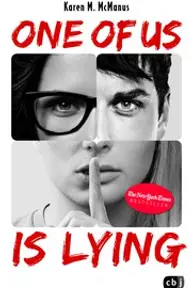
7. One of Us Is Lying
Karen M. McManus
Karen M. McManus hooks readers with a classic detention premise where five high school students walk into a room, but only four leave alive. Each suspect holds a distinct secret that the deceased gossip blogger intended to publish. The shifting perspectives and chapter cliffhangers keep reluctant readers turning pages. The plot addresses teen drug use, depression, suicide discussions, and police scrutiny. Readers who dislike gossip-fueled teen drama should bypass it.
Find it on Amazon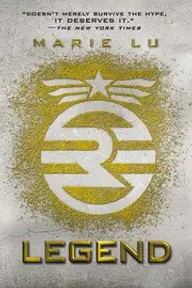
8. Legend
Marie Lu
Marie Lu alternates viewpoints between June, a military prodigy born into the elite class, and Day, a street criminal defending impoverished flood zones. When June’s brother is murdered, their lives collide in a flooded Los Angeles governed by martial law. The action sequences move swiftly and highlight military strategy alongside social resistance. The story involves martial violence, street combat, and family loss. Skip if the reader prefers quiet domestic realism.
Find it on AmazonFantasy & Speculative Worlds
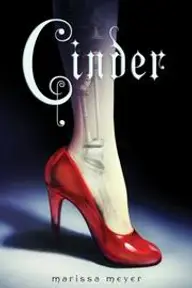
9. Cinder
Marissa Meyer
Marissa Meyer reimagines a classic fairy tale as a futuristic science-fiction adventure set in New Beijing. Cinder is a gifted cyborg mechanic living with an unsupportive adoptive mother, facing social stigma until a visit from Prince Kai pulls her into planetary politics. The book moves briskly through mystery, royal intrigue, and mechanical problem-solving. It covers pandemic contagion, medical peril, and totalitarian threats. Readers who dislike futuristic retellings may find the premise unfamiliar.
Find it on Amazon
10. Six of Crows
Leigh Bardugo
Leigh Bardugo brings together a crew of five specialists led by criminal mastermind Kaz Brekker in the harbor city of Ketterdam. They accept an impossible mission to break into an impenetrable military stronghold known as the Ice Court. The dialogue is biting, and the plot balances character backstories with heist mechanics. The content includes underworld violence, trauma, references to human trafficking, and drug dependency. Skip if the reader prefers straightforward linear narration.
Find it on Amazon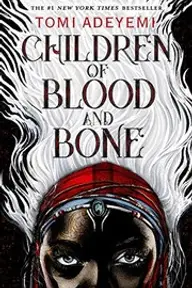
11. Children of Blood and Bone
Tomi Adeyemi
Tomi Adeyemi builds an epic fantasy inspired by West African folklore, following Zélie Adebola as she fights to restore magic to the land of Orïsha. The monarchy hunts magic practitioners ruthlessly, forcing Zélie, her brother, and a rogue princess into dangerous flight. The stakes remain high from the opening chapter, exploring resistance against tyrannical control. The story includes graphic combat, military brutality, and state oppression. It is not suited for readers wanting light escapism.
Find it on Amazon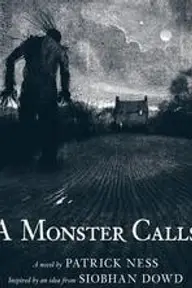
12. A Monster Calls
Patrick Ness
Patrick Ness presents a dark fantasy about Conor, who receives nightly visits from an ancient yew tree monster while his mother undergoes terminal cancer treatments. The monster tells three allegorical tales to prepare Conor for the final truth he refuses to speak aloud. It fits sensitive readers who want a frank story about grief wrapped in dark folklore. The novel depicts intense family illness, bullying, and psychological anguish. Skip if current bereavement makes cancer storylines painful.
Find it on AmazonHistory & Hard Realities
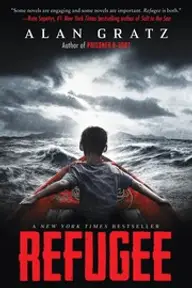
13. Refugee
Alan Gratz
Alan Gratz weaves together the harrowing escapes of three young protagonists fleeing persecution: Josef in Nazi Germany, Isabel in Cuba, and Mahmoud in Syria. The narrative shifts between time periods every few chapters, using tight pacing to sustain engagement across all three storylines. The historical context builds immediate understanding of displaced families. The text includes drownings, naval gunfire, wartime devastation, and family separation. Readers who struggle with multiple viewpoint transitions may prefer a single-thread story.
Find it on Amazon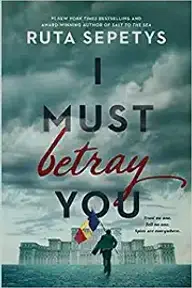
14. I Must Betray You
Ruta Sepetys
Ruta Sepetys crafts a tense historical thriller focused on Cristian Florescu, a high school student coerced into becoming an informant by secret police in communist Romania. Cristian must report on the American diplomat’s family while trying to smuggle the truth to the outside world as revolution brews. The short chapters mirror the paranoia of constant surveillance. The plot features state terror, interrogation, hunger, and public violence. Readers who want escapist fiction will find the oppressive atmosphere heavy.
Find it on AmazonThe Shift from Middle School to Young Adult Books
Eighth-grade reading habits change because readers undergo a major cognitive and emotional shift. At this stage, young people begin analyzing moral ambiguity, examining adult institutions, and questioning black-and-white rules that defined elementary literature. They want characters dealing with authentic social dilemmas, yet adult trade fiction often features narrative detachment or sexual content that does not match their interests.
Middle grade titles often wrap conflicts up neatly by the final chapter, whereas young adult fiction frequently ends with unresolved social tensions and real personal costs. Finding suitable books for 8th graders means recognizing that an advanced vocabulary does not automatically mean a student wants bleak adult themes. Bridging this gap requires offering books that provide adult-level thematic depth alongside high narrative propulsion.
Matching Formats to Reader Temperaments and Stamina
Book length and page density dictate whether an eighth grader finishes a book or abandons it after chapter two. Reluctant readers in middle school often possess strong verbal processing skills but experience cognitive fatigue when facing unbroken blocks of small type. Selecting the correct structural format restores confidence without sacrificing mature themes.
Novel-in-verse books like Long Way Down and Starfish demonstrate how open formatting maintains momentum. White space on the page allows students to digest complex topics like bereavement and body image without feeling bogged down by descriptive prose. Conversely, multi-perspective thrillers like One of Us Is Lying encourage page-turning through suspense hooks that keep readers guessing who committed the crime.
- Novels in verse: sparse text lines reduce page intimidation while handling serious emotional weight directly.
- Alternating viewpoint thrillers: short chapters ending on narrative reveals reward quick independent reading sessions.
- Episodic speculative fiction: structured world rules give analytical readers clear puzzles to solve alongside the characters.
- Multi-timeline historical fiction: interlocking survival stories build global context while keeping scene lengths manageable.
Content Considerations for Families and Educators
Evaluating content for eighth graders requires distinguishing between gratuitous shock value and meaningful narrative truth. Eighth graders frequently encounter challenging topics online and in social environments, including substance use, romantic relationships, prejudice, and community violence. Literature provides a controlled space to reflect on these dilemmas before facing them in real life.
A reliable way to judge appropriateness is to observe whether a book glamorizes harm or explores consequences. Stories like The Outsiders and Scythe portray violence with heavy moral and emotional aftermath. When characters carry grief, regret, and legal accountability, readers gain perspective without sensationalism. If a young reader expresses discomfort with dark topics, honor that boundary and redirect them to expansive fantasy adventures or character-driven contemporary realism.
Choosing Alternative Paths for Different Reading Needs
These titles serve readers who seek high narrative drive and thematic weight, meaning students who want lighthearted episodic comedy, illustrated humor, or relaxed beach reads will find them too serious. If a student is currently experiencing acute family illness or grief, titles addressing terminal diagnosis like A Monster Calls should be set aside until the reader requests them.
Our recommendations change if a student is still learning to decode or learning English. Then the made-up vocabulary of high fantasy can stall comprehension. When that happens, shifting toward Books for Reluctant Readers or stepping back to Books for 7th Graders restores confidence and reading velocity.
Where to Expand Your Reading Beyond Eighth Grade
Once an eighth grader works through these recommendations, their next book choices should reflect the specific storytelling style that held their attention longest. Readers drawn to complex criminal crews and urban intrigue can move directly to Books Like Six of Crows to explore heist structures in speculative worlds.
Students who connected with community moral dilemmas will find similar philosophical puzzles in Books Like The Giver. Readers interested in classic social conflict and peer loyalty can explore Books Like The Outsiders for vintage coming-of-age narratives. When you want a broader horizon of mature adolescent fiction, browse our curated collection of Books for Teens, explore Books to Read for Every Age and Moment, or take our interactive What Should I Read Quiz to discover your next favorite book.