The best books for 3rd graders balance lively plots with approachable language, giving new chapter book readers the confidence to finish on their own. Ramona Quimby, Age 8 and The Wild Robot stand out immediately because they treat young feelings seriously while keeping the action moving briskly. At ReadNext, we build each selection around voice, pacing, and age fit so kids transition smoothly from early readers into longer fiction.
The fourteen picks fall into four distinct styles: funny school stories, animal adventures, comics, and whimsical mystery quests. Third grade is often the turning point where children move from decoding individual words to reading for pure pleasure. Every book here has been verified through the Open Library catalog to confirm active author and title records before joining our recommendations.
Readers who have already flown through middle grade fantasy may find some of the lighter illustrated titles too brief. If your child still struggles with dense blocks of text, starting with our graphic novel selections gives them immediate visual support while building comprehension.
Books for 3rd Graders, Grouped by Style
School & Family Laughs
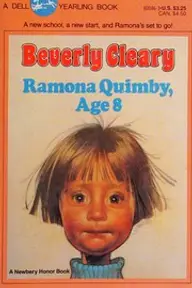
1. Ramona Quimby, Age 8
Beverly Cleary
Beverly Cleary writes about sibling squabbles, lunchroom mishaps, and small embarrassments the way an eight-year-old feels them. Ramona enters a new school year determined to show her maturity, yet things constantly go sideways in relatable ways. The prose is clear, funny, and comforting for children finding their own footing. Readers who demand high-stakes fantasy or magical worlds will want to choose a different pick.
Find it on Amazon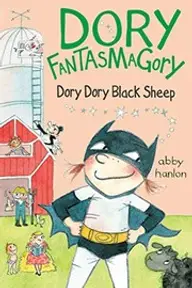
2. Dory Fantasmagory
Abby Hanlon
Dory has a wild imagination and older siblings who refuse to play with her. Abby Hanlon fills every page with witty line drawings and speech bubbles that pull developing readers right through the story. The blend of illustrations and brief text blocks makes it approachable for children transitioning into multi-chapter stories. Skip this title if your child prefers quiet, realistic stories without imaginary monsters.
Find it on Amazon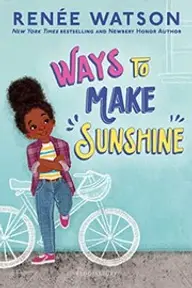
3. Ways to Make Sunshine
Renée Watson
Ryan Hart is a warm, resilient girl handling a family move, a tighter budget, and classroom friendships. Renée Watson captures the rhythms of family life with frankness and optimism, showing how small moments matter. It offers an easy entry point for readers who enjoy neighborhood stories grounded in real emotions. Children looking for slapstick comedy or cartoon chaos might find Ryan’s story too gentle.
Find it on Amazon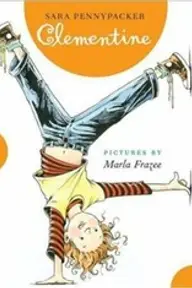
4. Clementine
Sara Pennypacker
Clementine means well, but her impulsive ideas always seem to lead to sticky situations, like cutting off her friend’s hair to help her. Sara Pennypacker gives Clementine an unmistakable comedic voice that keeps young readers giggling from chapter to chapter. It works wonderfully for children with lots of energy who appreciate funny mischief. Readers who prefer calm, orderly main characters may find Clementine exhausting.
Find it on AmazonAnimal Friends & Adventure
5. The Wild Robot
Peter Brown
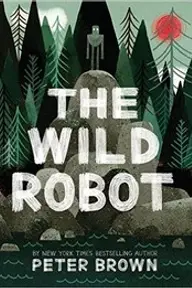
Roz the robot wakes up on a remote island and must learn to survive by studying the wilderness and caring for an orphaned gosling. Peter Brown uses short chapters and crisp sentences that move quickly while raising thoughtful questions about nature, community, and technology. There is mild peril and animal danger. Skip this title if your reader cannot handle characters facing natural threats.
Find it on Amazon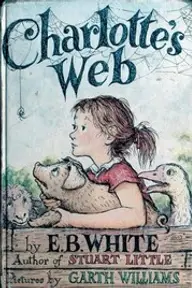
6. Charlotte's Web
E. B. White
This timeless farm story pairs a lonely pig named Wilbur with a clever, caring spider named Charlotte who determines to rescue him. E. B. White writes with lyrical precision, providing rich vocabulary without overwhelming young readers. The story deals openly with mortality and the natural passing of a dear friend. Children who are especially sensitive to grief may need an adult reading alongside them.
Find it on Amazon
7. Zoey and Sassafras: Dragons and Marshmallows
Asia Citro
Zoey discovers she can see magical creatures and uses genuine scientific thinking to nurse a sick baby dragon back to health. Asia Citro combines simple chapter layouts, helpful illustrations, and science experiments that invite curiosity. It is ideal for readers who want magical creatures paired with logical problem-solving. Children ready for thick novels with layered subplots will outpace this brief introductory adventure.
Find it on Amazon
8. Because of Winn-Dixie
Kate DiCamillo
India Opal Buloni adopts a scruffy stray dog from a local supermarket and slowly builds friendships across her new Florida town. Kate DiCamillo writes gently about loneliness, a missing mother, and forgiveness. The emotional depth is memorable, making it an excellent bridge to mature middle grade novels. Readers seeking fast action or silly humor should select another title from our list.
Find it on AmazonComics & Highly Illustrated Picks
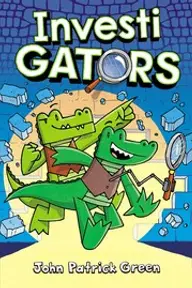
9. InvestiGators
John Patrick Green
Mango and Brash are alligator secret agents who travel through sewer pipes and solve goofy crimes with high-tech spy gadgets. John Patrick Green packs the panels with visual gags, terrible puns, and slapstick humor that keep reluctant readers laughing. It fits kids who love visual storytelling and fast comic pacing. Readers who dislike wordplay or cartoon silliness will prefer one of the prose novels.
Find it on Amazon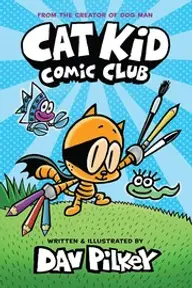
10. Cat Kid Comic Club
Dav Pilkey
Dav Pilkey introduces baby frogs learning how to express their feelings by writing and drawing their own mini-comics. The varied art styles and encouraging message show kids that mistakes are part of creative growth. It is a motivating pick for children who think reading is a chore. Skip this book if you want a conventional narrative with continuous text and formal sentence structures.
Find it on Amazon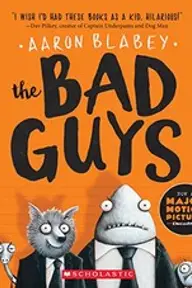
11. The Bad Guys
Aaron Blabey
Mr. Wolf, Mr. Snake, Mr. Piranha, and Mr. Shark want to prove they can be genuine heroes, even if their rescue missions look completely backwards. Aaron Blabey uses bold ink illustrations, heavy dialogue, and hilarious pacing that flies by in a single sitting. It works well for children building reading speed. Parents seeking deep emotional themes will find mostly slapstick action here.
Find it on Amazon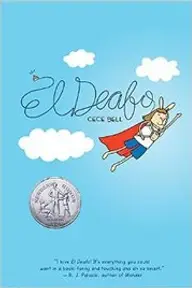
12. El Deafo
Cece Bell
Cece Bell shares her childhood experiences with hearing loss, bulky hearing aids, and handling friendships at elementary school. Presented as a full-color graphic novel with rabbit characters, the story is warm, funny, and deeply relatable. It helps readers understand differences and self-advocacy. Kids who only want fantasy quests or light jokes might find the autobiographical focus too reflective.
Find it on AmazonWhimsical Mysteries & Quests
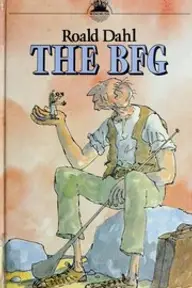
13. The BFG
Roald Dahl
Sophie teams up with a giant who catches pleasant dreams to stop wicked giants from eating children across England. Roald Dahl delights readers with playful invented vocabulary, absurd humor, and vivid storytelling. The made-up words stretch young imaginations and reward read-aloud listening. Children who get frustrated by silly nonsense language or fearsome villain descriptions may prefer a realistic school story.
Find it on Amazon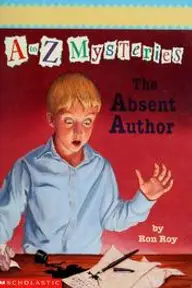
14. The Absent Author
Ron Roy
Dink, Josh, and Ruth Rose investigate when a famous mystery writer fails to show up for his bookstore signing. Ron Roy plants clear, fair clues so young sleuths can solve the crime with Dink, Josh, and Ruth Rose. Readers who desire wild magic or deep psychological drama will find it rather simple.
Find it on AmazonWhat Makes Reading Click for 3rd Graders
Third grade is the grade where children make the shift from learning to read toward reading to learn. In earlier grades, readers spend most of their mental energy sounding out syllables and memorizing sight words. By eight years old, fluent readers decode sentences quickly enough to follow complex story arcs, remember clues across multiple chapters, and connect with character motivations.
Choosing books for 3rd graders requires balancing chapter length with visual breathing room. A book with tiny font and unbroken margins often triggers anxiety for developing readers, while generous line spacing and occasional illustrations encourage them to press forward. Short chapters also give kids natural stopping places, allowing them to celebrate small victories.
Reluctant readers often thrive when given graphic novels or illustrated hybrid chapter books like The Bad Guys. Graphic novels provide visual context that clarifies difficult vocabulary, supporting comprehension without slowing the momentum of the plot.
How to Choose Books for 3rd Graders by Interest
Matching a book to your child’s natural temperament makes daily reading feel like a privilege rather than homework. Children who love neighborhood adventures and playground drama will connect instantly with the school stories on our list. Clementine and Ramona Quimby, Age 8 let young readers see their own worries and laughs reflected on the page.
If your reader prefers animals or loves science and nature, stories with non-human protagonists are dependable choices. The Wild Robot and Charlotte’s Web introduce themes of friendship, survival, and caretaking while expanding descriptive vocabulary. These selections also work well for family read-aloud time because their themes resonate across age groups.
For readers who struggle to sit still with dense prose, prioritize humor and fast-moving panels. Graphic novels like InvestiGators keep children focused through visual jokes and slapstick mysteries. Once a child discovers that books can make them laugh out loud, their reading stamina grows naturally.
Balancing Independent Reading and Read-Aloud Time
Many families stop reading aloud once a child learns to read chapter books independently, but continuing shared reading offers major benefits. Listening comprehension in eight-year-olds regularly exceeds their silent decoding level. A child who finds reading The BFG independently a bit difficult can easily enjoy the wild vocabulary when a parent or teacher reads it aloud.
You can split your reading routine into two complementary tracks. Let your child read approachable favorites like The Absent Author or graphic novels during their independent reading time to build speed and confidence. Save richer, emotionally complex stories like Because of Winn-Dixie for bedtime read-aloud sessions where you can discuss new words and themes together.
If a chosen book stalls after three chapters, avoid forcing the finish. Return it to the shelf without criticism and try another style from our list, or check our guide to books for reluctant readers for alternative formats.
Where to Go After These Books for 3rd Graders
Once your child finishes these titles and wants fresh challenges, you can expand their bookshelf in several directions. Readers who loved the family warmth of Ryan Hart will find similar satisfaction exploring our wider hub of Books to Read for Every Age and Moment.
If your reader needs gentler text before tackling full-length novels, stepping back to browse books for 2nd graders can build their confidence without frustration. Conversely, children who raced through every mystery and fantasy here are likely ready for the richer world-building found in our books for 4th graders.
To find the next perfect title based on your child’s favorite genres and current reading mood, try our interactive What should I read quiz to generate tailored recommendations. Pick one exciting title from the list today and make quiet reading a daily habit.