Mercy Watson to the Rescue, InvestiGators, and Frog and Toad Are Friends offer three clear starting points for children making the shift from picture books to independent stories. At ReadNext, we match early reading titles around confidence, humor, and text spacing so children build stamina without tears. These stories pair short sentences with expressive illustrations, giving young readers the visual cues they need to decode unfamiliar words on their own.
Second grade spans a wide reading spectrum. Some children still sound out short sentences letter by letter, while others race through long paragraphs without a pause. The titles below organize into four clear styles: lively chapter book starters, visual comics, gentle animal stories, and neighborhood adventures.
This lineup fits children ready for continuous plotlines with illustrations on every spread. If your child still struggles with consonant blends or sight words, begin with Books for 1st Graders to build core decoding skills first.
The Best Books for Second Graders, Grouped by Style
First Chapter Book Heroes
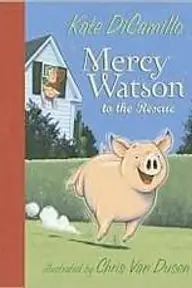
1. Mercy Watson to the Rescue
Kate DiCamillo
Kate DiCamillo creates a buttered-toast-loving pig whose oblivious antics pull children from picture books into longer stories. Large print, generous line spacing, and full-color pictures ease the step up to real chapters. Short text blocks keep emergent readers from feeling overwhelmed. Confident readers will finish the story quickly, but the physical humor keeps them smiling throughout.
Find it on Amazon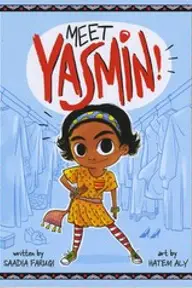
2. Meet Yasmin!
Saadia Faruqi
Saadia Faruqi introduces a curious Pakistani American girl who solves everyday neighborhood and family challenges using creative thinking. Four distinct short stories build reading stamina in small steps. A helpful Urdu glossary and cultural notes widen a child’s world without slowing down the story. Children who demand fast superhero battles might find these calm domestic problems too quiet.
Find it on Amazon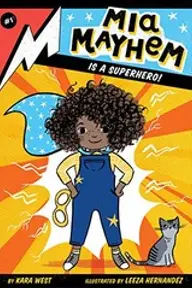
3. Mia Mayhem Is a Superhero!
Kara West
Kara West delivers a high-energy tale about an ordinary girl who discovers she possesses superhero powers and attends an after-school training program. Simple sentence patterns, large font choices, and dynamic black-and-white art support early reading endurance. The superhero premise delivers plenty of excitement for active imaginations. Children who prefer quiet, realistic school stories might want to bypass this title.
Find it on Amazon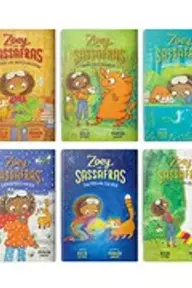
4. Zoey and Sassafras: Dragons and Marshmallows
Asia Citro
Asia Citro weaves real scientific experiments together with magical backyard creatures. A young girl and her cat care for an injured baby dragon using the scientific method, field notes, and testing hypotheses. Large text and frequent drawings keep the science accessible. This story suits curious thinkers who love nature. Readers who dislike educational angles in their fiction should pick a slapstick alternative instead.
Find it on AmazonGraphic Novels & Laugh-Out-Loud Fun
5. InvestiGators
John Patrick Green
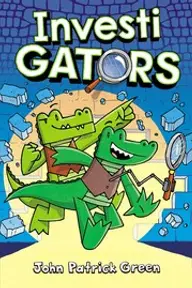
John Patrick Green sends two sewer-traveling alligator secret agents on pun-filled undercover missions to solve mysteries. Full-color comic panels, visual gags, and sharp wordplay keep reluctant readers glued to the pages. The busy layout encourages children to read dialogue bubbles alongside visual clues. Skip this choice if your reader gets distracted by chaotic layouts or dislikes silly bathroom humor.
Find it on Amazon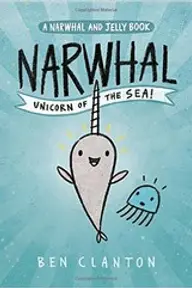
6. Narwhal: Unicorn of the Sea
Ben Clanton
Ben Clanton pairs an upbeat narwhal with a cynical jellyfish across short, humorous ocean adventures. The graphic novel format relies on simple sight words, three-panel layouts, and warm humor that helps hesitant readers gain confidence. The gentle banter invites reading aloud together in different character voices. Advanced chapter book readers will glide through this title quickly.
Find it on Amazon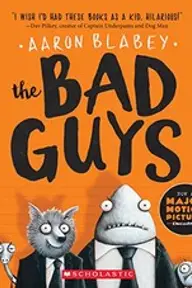
7. The Bad Guys
Aaron Blabey
Aaron Blabey follows a gang of feared animals attempting good deeds to reform their reputations, despite everyone running away in terror. Fast-moving comic panels, bold typography, and cartoon slapstick hook reluctant readers who reject dense text. The fast banter feels like watching an animated movie. Parents who dislike rude humor or mild cartoon mischief may prefer a gentler animal book.
Find it on Amazon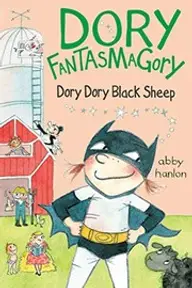
8. Dory Fantasmagory
Abby Hanlon
Abby Hanlon captures the messy, hilarious imagination of a youngest sister whose older siblings refuse to play with her. Loose pencil sketches mix directly with dialogue bubbles and short prose blocks, showing Dory outsmarting imaginary monsters. The chaotic energy matches a spirited child’s inner voice. Skip this title if your child needs neat, orderly text blocks to keep their eyes on track.
Find it on AmazonGentle Classics & Animal Pals
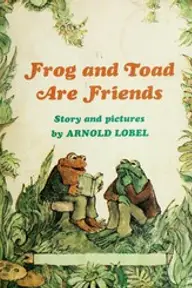
9. Frog and Toad Are Friends
Arnold Lobel
Arnold Lobel crafts a tender portrait of unconditional friendship across five self-contained short stories. Controlled vocabulary, natural rhythms, and warm illustrations provide a comfortable haven for quiet readers. The stories handle feelings like patience, loneliness, and loyalty without preaching. Children hooked on fast cartoon action might find the quiet pond-side walks and lost buttons too slow.
Find it on Amazon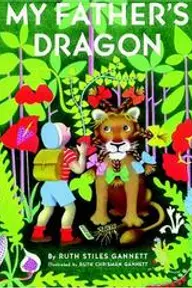
10. My Father's Dragon
Ruth Stiles Gannett
Ruth Stiles Gannett offers an accessible classic quest about a boy who travels to Wild Island to rescue an enslaved baby dragon. The hero uses practical items like chewing gum, combs, and lollipops to outsmart hungry wild animals. Clean, direct prose gives children a taste of vintage adventure. The older storytelling style may require patience from kids accustomed to instant comic punchlines.
Find it on Amazon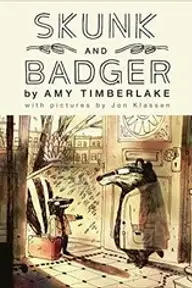
11. Skunk and Badger
Amy Timberlake
Amy Timberlake writes a rich odd-couple comedy about Badger, whose Important Rock Work is upended when Skunk moves in. The sophisticated vocabulary and whimsical chapter pacing shine during bedtime read-aloud sessions. Full-color plates and line drawings anchor the text. Emergent readers will struggle tackling the dense text alone, so plan to read this title together as a team.
Find it on Amazon12. Heartwood Hotel: A True Home
Kallie George
Kallie George presents a cozy woodland sanctuary where a brave, orphaned mouse finds shelter and employment among animal guests. The story balances warm community living with mild predator peril during an autumn storm. Short chapters and gentle cliffhangers encourage sustained attention. Children sensitive to animals facing danger from wolves or bad weather may need extra reassurance during reading.
Find it on AmazonMysteries & Everyday Magic
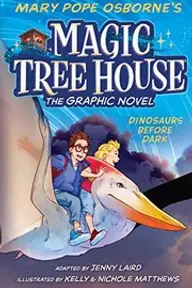
13. Dinosaurs Before Dark
Mary Pope Osborne
Mary Pope Osborne launched a classic time-travel series with this brisk adventure featuring a brother, a sister, and a treehouse full of books. Simple sentences, repetitive sentence structures, and factual details about prehistoric reptiles make it an ideal bridge to pure chapter books. The quick plot progression keeps curious readers hooked. Skip it if your child prefers goofy comedy over factual exploration.
Find it on Amazon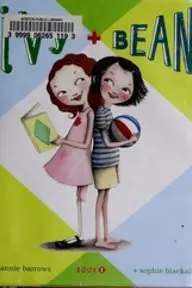
14. Ivy + Bean
Annie Barrows
Annie Barrows pairs two very different neighborhood girls who assume they will despise each other, only to form an energetic bond. Their wild plans involve backyard magic, ditch-digging, and mild mischievous behavior to tease an older sibling. Realistic dialogue captures genuine childhood impulses. Sensitive readers who follow adult rules strictly might feel uncomfortable with the girls’ rebellious backyard schemes.
Find it on AmazonWhat Reading Looks Like in Second Grade
Second-grade reading sits at a crossroads where decoding shifts into comprehension. At the start of the year, many children still whisper individual phonics sounds and trace letters with a finger. By the end of the year, their eyes track ahead across sentences, picking up meaning from context while reading with conversational expression.
Stamina changes dramatically during this season. A child who breezed through picture books often freezes when facing an unbroken wall of black text. That hesitation is normal. Transitional chapter books solve this hurdle by including wide line margins, larger typefaces, and illustrations on nearly every page to anchor the scene.
Graphic novels help a lot during this learning phase. Visual panels convey character emotion, action, and setting without taxing the child’s decoding reserves. When children read comics, they absorb complex pacing and vocabulary while feeling the thrill of turning pages quickly.
How to Choose Books for 2nd Graders
Match the physical layout of the book to your reader’s current comfort level without chasing arbitrary grade-level labels. A child who resists reading often responds immediately when given a story with illustrations breaking up the paragraphs. Keep four qualities in mind while picking your next title.
Our recommendation prioritizes Mercy Watson to the Rescue for emerging readers who need confidence through humor. If your child already reads complex middle-grade fantasy fluently, that recommendation flips toward longer adventures like Books for 3rd Graders with smaller fonts and fewer pictures.
- Text density: look for books with short chapters, generous white space, and large font sizes so pages turn quickly.
- Illustration frequency: choose books with pictures on every page spread to provide context clues for unfamiliar vocabulary.
- Interest alignment: follow your child’s natural curiosity toward graphic mysteries, fantasy creatures, or everyday school comedy.
- Humor and pacing: favor slapstick comedy and energetic plots that reward young readers with an immediate laugh on every page.
Supporting Reluctant and Tired Readers
After a long school day, many second graders feel too mentally exhausted to tackle challenging text independently. Forcing a child through frustrating paragraphs leads to avoidance and discouragement. You can protect their love of stories by sharing the physical reading workload.
Try paired reading when a book feels slightly beyond your child’s reach. Read one page out loud with lively voices, then let your child read the next page. This tag-team approach cuts the load while keeping the story’s momentum moving forward smoothly.
Do not hesitate to return to easy picture books or visual stories. Children gain fluency by reading familiar, comfortable words with ease. If your child continues to struggle with reading confidence, explore our curated Books for Reluctant Readers for titles built specifically to rekindle enthusiasm.
Balancing Independent Reading and Reading Aloud
Continuing to read aloud to second graders remains valuable even after they learn to read solo. A child’s listening comprehension usually runs ahead of their independent reading ability. Reading aloud introduces rich vocabulary, complex sentence structures, and nuanced emotional themes that they cannot yet decode alone.
Let your child choose their independent reading books freely, even if the choices look too simple or silly. Solo reading builds automatic word recognition and stamina. Meanwhile, use bedtime read-aloud sessions to introduce richer titles like Skunk and Badger or chapter-length fantasy adventures.
Talk about the illustrations and characters together during shared reading time. Ask your child what a character might do next, or laugh together at a ridiculous drawing. Shared reading keeps books warm and fun.