Graphic memoirs and illustrated adventures like El Deafo and InvestiGators give resistant readers immediate momentum because visual storytelling lowers reading fatigue. At ReadNext, each title is checked against Open Library’s catalog.
The fourteen picks fall into four styles: graphic novels, illustrated comedy, novels in verse, and survival stories. Each book provides quick narrative momentum, spacious page layouts, or humor to keep readers from putting the volume down.
Books for Reluctant Readers, Grouped by Style
Visual & Graphic Novels
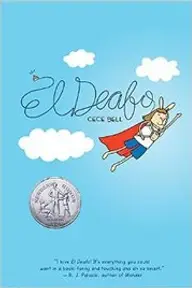
1. El Deafo
Cece Bell
Cece Bell turns childhood hearing loss into a funny superhero narrative using comic panels and full-color art. Visual cues clarify the dialogue and emotional beats, which removes the cognitive strain of dense text. Readers who get overwhelmed by wall-to-wall print stay focused on the character interactions. Content includes mild school bullying and medical visits related to hearing aids.
Find it on Amazon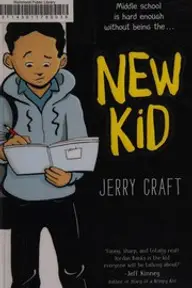
2. New Kid
Jerry Craft
Jerry Craft captures middle school social dynamics through bright panel artwork and relatable humor. Jordan Banks wants to attend art school, but his parents enroll him in an academic private school where he is one of few students of color. The visual format conveys sarcasm and classroom microaggressions clearly. Readers who dislike heavy prose will finish this quickly.
Find it on Amazon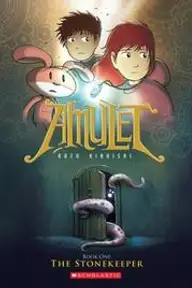
3. Amulet: The Stonekeeper
Kazu Kibuishi
Cinematic illustrations and immediate danger drive this fantasy from the first page. Emily and Navin explore a strange world behind a door in their new house’s basement, discovering mechanical beasts and strange allies after their mother is kidnapped. The dialogue is brisk, so the story moves forward without long descriptive passages. Readers who avoid fantasy world-building will enjoy the rapid visual pacing. Content includes the death of a parent and fantasy monster attacks.
Find it on Amazon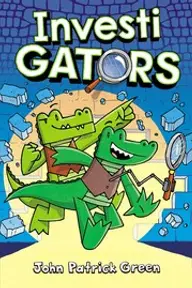
4. InvestiGators
John Patrick Green
Mango and Brash are alligator secret agents traveling through sewers to solve mysteries. John Patrick Green packs every page with visual gags, puns, and high-energy chaos. The short dialogue balloons give younger or struggling readers quick wins with zero reading fatigue. Readers looking for deep, solemn character growth should skip this in favor of a novel in verse.
Find it on AmazonIllustrated & Laugh-Out-Loud
5. Diary of a Wimpy Kid
Jeff Kinney
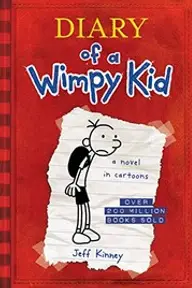
Handwritten font and simple cartoon sketches make Greg Heffley’s journal completely approachable. The entries read like short thoughts instead of long assignments, so readers can stop and start without losing track. Greg makes selfish choices that lead to funny disasters. If you want a story with a noble moral protagonist, skip this comedy series.
Find it on Amazon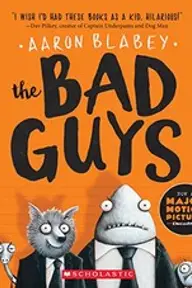
6. The Bad Guys
Aaron Blabey
Mr. Wolf and his crew of classic villains attempt good deeds to change their bad reputations. Aaron Blabey tells the story through comic panels, thick speech bubbles, and fast banter. The word count per page remains low, which lets struggling readers finish complete chapters in minutes. Content features cartoon violence and slapstick jailbreak mischief.
Find it on Amazon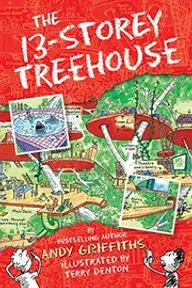
7. The 13-Storey Treehouse
Andy Griffiths
Andy Griffiths and Terry Denton combine ridiculous ideas like marshmallow machines and giant flying cats with kinetic illustrations. The characters face impossible publishing deadlines while strange inventions derail their workday. The short blocks of text keep the narrative moving at high speed. Children who prefer structured, realistic school settings will want to look elsewhere.
Find it on Amazon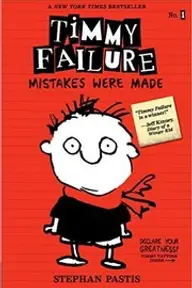
8. Timmy Failure: Mistakes Were Made
Stephan Pastis
Stephan Pastis pairs deadpan humor with doodle-style art as Timmy operates what he believes is the town’s premier detective agency. His partner is an imaginary polar bear, and his deductions are consistently incorrect. The comedy comes from the gap between Timmy’s extreme confidence and the reality visible in the drawings. It suits middle-grade readers who like quirky misfits.
Find it on AmazonShort Text & Novels in Verse
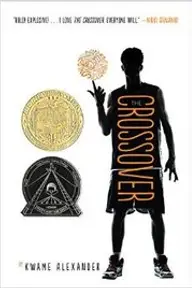
9. The Crossover
Kwame Alexander
Kwame Alexander uses rhythmic verse, varying text sizes, and generous white space to capture basketball action and family loyalty. Twin brothers Josh and Jordan dominate on the court until romantic interests and a father’s failing health create friction. The verse format eliminates dense paragraphs while delivering deep emotional weight. Content covers sudden parental illness and family tragedy.
Find it on Amazon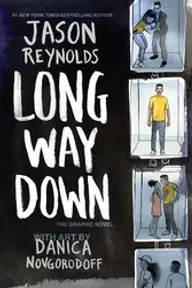
10. Long Way Down
Jason Reynolds
Jason Reynolds constructs a gripping young adult story that takes place during an elevator ride down. Will steps into the elevator with a gun, planning revenge for his brother’s murder, but ghosts from his past enter on every floor. The sparse verse builds tension line by line. Content includes gun violence, gang retaliation, and grief.
Find it on Amazon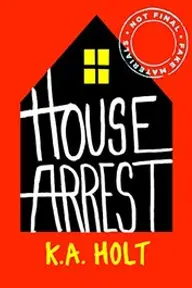
11. House Arrest
K.A. Holt
Timothy is on house arrest after stealing a wallet to pay for his sick baby brother’s medicine. K.A. Holt writes the story as court-ordered journal entries in free verse, giving Timothy a frank, direct voice. The lines are short, clean, and emotionally urgent. Content addresses serious infant health issues and family financial strain.
Find it on Amazon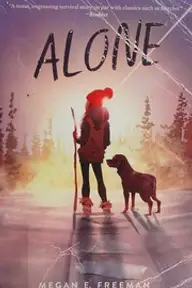
12. Alone
Megan E. Freeman
Maddie wakes up to discover her entire town was evacuated overnight, leaving her completely on her own with only a neighbor’s dog for company. Megan E. Freeman uses poetry to trace Maddie’s practical survival steps across changing seasons. The format keeps suspense high without long descriptive pauses. Content includes physical isolation, severe storms, and wildlife dangers.
Find it on AmazonFast-Paced Action & High Stakes
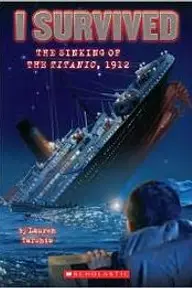
13. I Survived the Sinking of the Titanic, 1912
Lauren Tarshis
Lauren Tarshis places young George Calder on the famous ocean liner right as disaster strikes. Short chapters and continuous physical danger help readers stay engaged from one scene to the next. The vocabulary remains clear and accessible while conveying historical atmosphere. Content includes the peril of a sinking ship and historical loss of life.
Find it on Amazon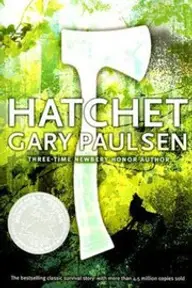
14. Hatchet
Gary Paulsen
Brian Robeson must survive in the Canadian wilderness with only a light windbreaker and a small hatchet after a small plane crash. Gary Paulsen focuses entirely on practical challenges such as building shelter, making fire, and hunting food. The constant threat of starvation holds attention without unnecessary subplots. Content includes the plane crash, physical injuries, and a parent’s affair.
Find it on AmazonFormats That Reduce Reading Resistance
Reluctant readers often struggle with the visual weight of conventional fiction instead of the story itself. A full page of small text signals work, which creates immediate mental resistance before the opening chapter begins. Graphic novels and illustrated fiction solve this hurdle by breaking dialogue into small dialogue balloons and providing visual context for every action. A reader can decode a scene in seconds because the character’s facial expression confirms the tone immediately.
Novels in verse use white space to accomplish the same relief for older readers. A single page might contain short lines, which lets the reader turn pages rapidly. That rapid page-turning builds psychological momentum. Finishing pages quickly feels like progress, which pulls the reader into the next chapter.
Matching Books for Reluctant Readers by Grade
Elementary school children who resist chapter books respond best to heavy visual support and physical comedy. Titles like InvestiGators and The Bad Guys bridge the transition between picture books and independent fiction. If you are shopping for a younger student who needs more structured early chapter work, look through Books for 3rd Graders for accessible transitional titles.
Middle school students require complex social themes without intimidating page volume. El Deafo, New Kid, and Diary of a Wimpy Kid respect the emotional intelligence of middle-grade readers while keeping the reading mechanics effortless. If a child finishes Jeff Kinney’s work and wants similar funny formats, try Books Like Diary of a Wimpy Kid. You can also browse Books for 5th Graders to find additional stories with humor and clear narrative stakes.
Older middle schoolers and early high school students often find standard required reading dry or slow. Novels in verse like Long Way Down and The Crossover deliver intense, mature plots with minimal text on each page. For seventh graders who need short, gripping hooks, review Books for 7th Graders to find selections with strong pacing.
Handling Reading Slumps and Abandoned Books
Abandoning a book early is an acceptable outcome that prevents reading from feeling like a chore. Forcing a student to finish a title they dislike reinforces the idea that books are dull schoolwork. Give the reader permission to drop any story that has not hooked them by the third chapter, then offer a completely different visual format.
Switching mediums can rebuild interest immediately when print feels exhausting. Audiobooks let resistant readers experience rich vocabulary, humor, and complex plots without decoding fatigue. Listening while following along with a physical copy of an action story like Hatchet strengthens word recognition while keeping the pace lively. If your reader wants more survival adventure stories, explore Books Like Hatchet.
Readers Who Need Different Choices
These books will not satisfy strong, fluent readers looking for dense world-building or descriptive, poetic prose. If your reader already devours long fantasy epics or enjoys complex historical sagas with sprawling casts, these slim verse novels and graphic stories will feel too brief. They will also miss the mark for students who specifically request non-fiction trivia, science compendiums, or technical manuals.
Our recommendation shifts if a student struggles with visual processing or tracking across graphic novel panels. In that case, graphic panels create extra confusion, and a straightforward large-print novel with short, linear prose works much better than a comic layout.
Next Steps for Building Reading Stamina
Once a reluctant reader completes one or two graphic novels or verse titles, keep the momentum going by following the same character into a series. The familiarity of recurring characters removes the friction of learning a new setting. Series like InvestiGators or I Survived give readers an immediate second book with identical reading difficulty.
To explore more selections across age groups, visit Books to Read for Every Age and Moment or run through our What Should I Read Quiz to discover suitable books based on specific personal interests.