In Cold Blood, The Warmth of Other Suns, and The Immortal Life of Henrietta Lacks are three of the best nonfiction books ever written because they anchor rigorous reporting in vivid storytelling. At ReadNext, we pick these titles for narrative pull, emotional truth, and how well they hold up years after publication.
These picks suit adult readers who want nonfiction that moves like a good novel. If you want an easier first step, start with our list of non fiction books to read.
Fourteen Nonfiction Picks, Grouped by Subject and Style
Gripping Narrative Nonfiction
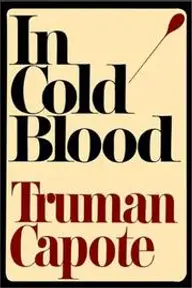
1. In Cold Blood
Truman Capote
Truman Capote pieces together the brutal murders of the Clutter family in Holcomb, Kansas, and the capture and execution of the two killers. The text reads like a psychological thriller while maintaining journalistic detail. Skip this pick if you are sensitive to graphic descriptions of real-life murder, home invasion, and capital punishment. Choose it for foundational true-crime storytelling.
Find it on Amazon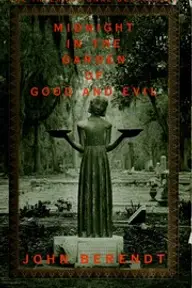
2. Midnight in the Garden of Good and Evil
John Berendt
John Berendt immerses readers in the seductive, cloistered world of Savannah society following a fatal shooting inside a historic mansion and the murder trial that followed. The book balances courtroom drama with colorful portraits of local eccentrics, antique dealers, and performers. Readers seeking fast-paced investigative action may find the meandering community gossip slow. Pick it if you want gothic atmosphere, southern charm, and true-crime intrigue.
Find it on AmazonMemoir & Biography
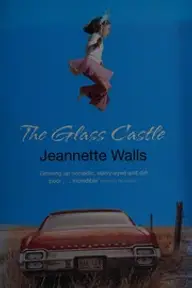
3. The Glass Castle
Jeannette Walls
Jeannette Walls recounts her chaotic childhood traveling across American mining towns and deserts with deeply negligent, free-spirited parents. The narrative maintains steady empathy while detailing severe poverty, domestic neglect, and family turmoil. Readers sensitive to depictions of child endangerment, parental alcoholism, and sexual abuse should approach with caution. It is ideal for anyone drawn to stories of resilience against impossible domestic circumstances.
Find it on Amazon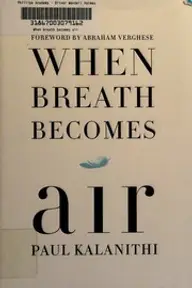
4. When Breath Becomes Air
Paul Kalanithi
Paul Kalanithi reflects on his transition from a dedicated neurosurgery resident into a patient confronting a stage four lung cancer diagnosis. His writing combines poetic philosophical inquiry with clinical clarity about the biological realities of death. Readers dealing with recent medical trauma or terminal illness grief may find the material emotionally heavy. Pick it for a neurosurgeon’s reflections on finding purpose while facing death.
Find it on AmazonBig Ideas & Human History
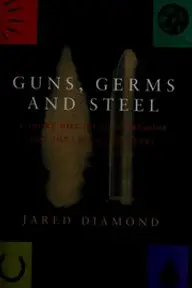
5. Guns, Germs, and Steel: The Fates of Human Societies
Jared Diamond
Jared Diamond explores why Eurasian civilizations developed technological advantages over indigenous populations through environmental and geographical determinism rather than biological differences. The text presents dense arguments supported by continental comparisons. Readers who prefer individual character journeys will find the macroscopic academic framework dry. It fits readers who enjoy sweeping historical puzzles and geographic analysis of human progress.
Find it on Amazon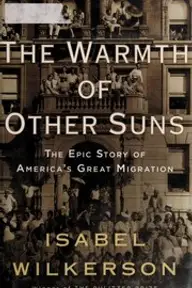
6. The Warmth of Other Suns: The Epic Story of America's Great Migration
Isabel Wilkerson
Isabel Wilkerson chronicles the decades-long movement of Black citizens fleeing the Jim Crow South through the intimate journeys of three distinct individuals. The research provides staggering historical scope alongside deep emotional character portraits. It includes difficult depictions of racial violence, lynching, and systemic oppression. Choose this title for brilliant social history that reads like an epic generational novel.
Find it on Amazon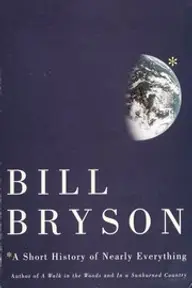
7. A Short History of Nearly Everything
Bill Bryson
Bill Bryson guides readers through the history of science, spanning the Big Bang to the arrival of humans. Bryson uses conversational humor and odd historical anecdotes about eccentric scientists to make complex physics, geology, and chemistry instantly approachable. Readers looking for dense technical formulas or narrow academic dissertations should skip this. Pick it for a friendly, funny entry point into the history of science.
Find it on AmazonScience & Nature
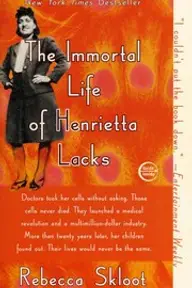
8. The Immortal Life of Henrietta Lacks
Rebecca Skloot
Rebecca Skloot investigates how cervical cancer cells taken without consent from an impoverished Black tobacco farmer named Henrietta Lacks became a basic tool of medical research. The narrative braids scientific discoveries with Henrietta’s illness and death and the Lacks family’s ongoing struggle with poverty and healthcare exploitation. Those wanting pure laboratory science might dislike the deep biographical and ethical reporting. Pick it for medical history that keeps the human cost in view.
Find it on Amazon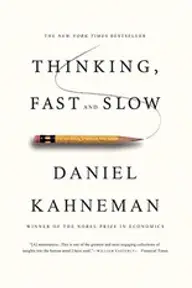
9. Thinking, Fast and Slow
Daniel Kahneman
Daniel Kahneman draws on decades of psychology research to explain the two modes that drive human decisions: fast, intuitive thinking and slow, deliberate reasoning. The work uncovers common cognitive biases, loss aversion, and systematic errors in everyday judgment. Readers looking for narrative memoir will find the research studies dense. Pick it if you want practical insight into how you make everyday decisions.
Find it on Amazon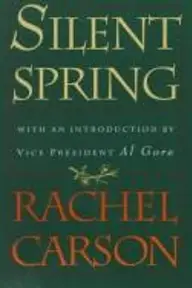
10. Silent Spring
Rachel Carson
Rachel Carson exposes the catastrophic environmental impact of synthetic chemical pesticides on bird populations, aquatic ecosystems, and human health. Carson blends lyrical nature descriptions with rigorous chemical evidence to challenge postwar corporate safety claims. Readers wanting contemporary climate data should note its specific mid-century pesticide focus. Pick it for a foundational text of modern environmental consciousness and nature writing.
Find it on AmazonHistory That Reads Like a Story
11. Hiroshima
John Hersey
John Hersey documents the human reality of the atomic bombing by following six survivors through the blast and its immediate aftermath. The prose remains spare, detached, and intensely focused on concrete physical survival. The book includes graphic descriptions of radiation sickness, severe burn injuries, and catastrophic civilian death. Choose it for compassionate reporting on what the bomb did to ordinary people.
Find it on AmazonMemoir & Biography
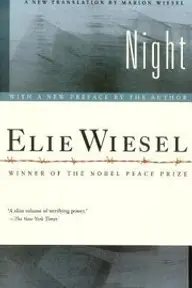
12. Night
Elie Wiesel
Elie Wiesel provides a concise, devastating testimony of surviving the Auschwitz and Buchenwald concentration camps as a Jewish teenager. The memoir documents the loss of family, the destruction of religious faith, and the daily fight for survival against starvation and brutality. Readers should anticipate harrowing depictions of Holocaust atrocities. Pick it for a short, firsthand account of the Holocaust.
Find it on Amazon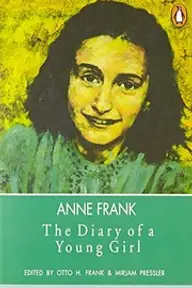
13. The Diary of a Young Girl
Anne Frank
Anne Frank records two years spent hiding in an Amsterdam annex with her family during the Nazi occupation of the Netherlands. Her diary captures the typical emotional turbulence of adolescence alongside the constant terror of discovery. Readers seeking an adult military retrospective will find a private, coming-of-age journal instead. The diary breaks off when the family is discovered, so younger readers may want an adult nearby for questions about what happened next. Pick it for a teenager’s own voice on hiding, family friction, and hope.
Find it on AmazonHistory That Reads Like a Story
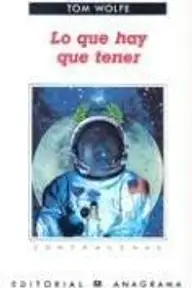
14. The Right Stuff
Tom Wolfe
Tom Wolfe captures the high-stakes world of military test pilots and the first astronauts selected for the American space program. Wolfe uses kinetic prose, interior monologue, and dramatic pacing to reveal the psychological bravado required to ride dangerous rockets. Readers who dislike stylistic flourishes or swaggering macho subcultures might find the tone jarring. Pick it if you want history told with the speed of an adventure story.
Find it on AmazonHow to Choose the Right Nonfiction Book for Your Reading Style
Readers select nonfiction for vastly different reasons, ranging from pure narrative escapism to analytical self-improvement. When you want the momentum of a thriller, narrative nonfiction like In Cold Blood or The Right Stuff provides propulsive pacing without sacrificing journalistic truth. These books rely on scene-by-scene reconstruction, sensory detail, and character development to keep pages turning quickly.
If you want to understand systemic forces, expansive histories like Guns, Germs, and Steel or The Warmth of Other Suns offer sweeping scope. These works require more intellectual patience, as they trace decades or millennia of civilizational development. If you are tired, pick a book with a narrower story; save the big histories for when you have more attention to give.
Memoirs offer an entirely different reading experience grounded in intimate interiority. Titles like Night, The Glass Castle, and When Breath Becomes Air explore extreme adversity and philosophical clarity through personal testimony. Choose these when you want emotional resonance rather than abstract data. Our answer changes if you are new to nonfiction or want shorter, lighter books: start with our list of non fiction books to read and come back to the heavier picks here later.
- Pacing: Pick narrative true crime or space-race journalism if you need immediate drama and fast scene cuts.
- Scope: Choose global history when you want to examine civilizational patterns, geography, and cultural movements.
- Emotional Weight: Select memoirs when you want vulnerable, firsthand accounts of human survival and ethical growth.
- Practical Insight: Choose behavioral science when you want actionable knowledge about cognitive bias and human psychology.
What to Do When a Dense Nonfiction Pick Does Not Land
If a heavy nonfiction book stalls your reading, it is fine to stop. Broad academic texts or dense behavioral studies can overwhelm readers who simply picked the wrong title for their current mental bandwidth. Set the book aside, keep reading something else, and come back to the subject from a different angle.
Try the audiobook if the print edition stalls. An audiobook narrator can clarify the pacing of sprawling histories like Isabel Wilkerson’s work, helping you track multiple biographical threads through spoken performance. Listen on a commute or a walk to keep the story moving through the slower analytical passages.
If heavy research books feel like a chore, pivot toward shorter narrative accounts or accessible science guides like Bill Bryson’s work. You can explore our foundational guide to non fiction books to read for approachable titles, or discover wider life-changing literature through our list of books to read before you die.
Content Considerations for Book Clubs, Students, and Sensitive Readers
Nonfiction addresses real-world events, which means the best nonfiction books frequently depict severe trauma, war crimes, and personal suffering. Teachers and reading group leaders should evaluate content notes carefully before assigning specific titles. The Diary of a Young Girl is the most approachable entry point here for younger readers, whereas Hiroshima and Night contain unflinching depictions of wartime death and physical destruction.
Memoirs examining family disruption also demand sensitivity from discussion organizers. The Glass Castle includes child neglect, domestic violence, and references to sexual abuse that some participants may find hard to read. When Breath Becomes Air deals directly with terminal cancer and dying, and The Immortal Life of Henrietta Lacks covers terminal illness and racism in medical care.
For organized reading groups selecting book club books, narrative nonfiction provides rich thematic material without requiring specialized academic knowledge. Focus discussions on ethical choices, authorial perspective, and how historical events shape modern institutions.
Where to Take Your Nonfiction Reading Journey Next
Once you finish these core classics, choose your next direction based on the specific storytelling mode you preferred. Readers captivated by the medical ethics and family story in Rebecca Skloot’s writing can try The Warmth of Other Suns next, which pairs deep reporting with the lives of the people it follows.
If you preferred the fly-on-the-wall reporting of Tom Wolfe or John Berendt, read the other one next: The Right Stuff and Midnight in the Garden of Good and Evil share the same close, scene-by-scene style.
Readers who remain uncertain about which genre best matches their current mood can take our interactive What should I read quiz to receive tailored recommendations based on pacing and subject preferences. You can also explore our broad directory of Books to Read for Every Age and Moment to plan your reading roadmap across different genres and milestones.