The strongest books to read before you die begin with Gabriel García Márquez’s One Hundred Years of Solitude and Toni Morrison’s Beloved, two novels that capture how family memory and historical trauma shape human life across generations. At ReadNext, we pick books that stay with you for years. Alongside Kazuo Ishiguro’s The Remains of the Day, these works examine regret, grief, and endurance with prose that changes how you view ordinary days.
The fourteen selections below are arranged into four groups: Enduring Classics, Modern Masterpieces, Mortality and Meaning, and Society and Conscience. These titles serve adult readers who want literature that confronts serious human questions about purpose, loss, and community, while leaving aside light escapism.
Fourteen Books to Read Before You Die
Enduring Classics
1. One Hundred Years of Solitude
Gabriel García Márquez
Gabriel García Márquez traces seven generations of the Buendía family in the fictional town of Macondo. The narrative treats folklore and history as equally real, combining political upheaval with moments of wonder. Readers who want straightforward linear realism will find the repeating character names and circular timeline challenging. The book contains themes of incest, wartime violence, and adult sexual situations.
Find it on Amazon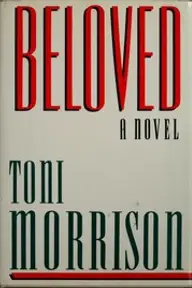
2. Beloved
Toni Morrison
Toni Morrison explores the psychological aftermath of enslavement through Sethe, a mother haunted by the ghost of her deceased daughter. The storytelling shifts between memory and present reality to show how trauma fractures identity. Readers seeking a gentle historical drama should turn elsewhere. The novel contains graphic depictions of physical violence, sexual abuse, and infanticide that take real emotional stamina.
Find it on Amazon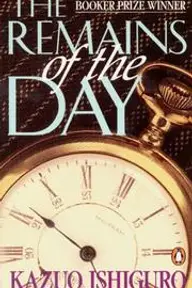
3. The Remains of the Day
Kazuo Ishiguro
Stevens, an aging English butler, takes a motoring trip through the countryside while reflecting on his decades of service at Darlington Hall. Kazuo Ishiguro builds an observant study of emotional repression, lost love, and unquestioning loyalty to an unworthy employer. The novel moves at a deliberate, quiet pace without sudden action. Anyone who requires high drama or fast plot twists should skip it.
Find it on AmazonModern Masterpieces
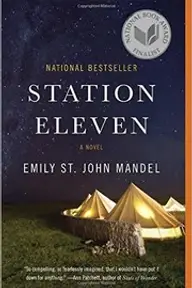
4. Station Eleven
Emily St. John Mandel
Emily St. John Mandel follows a traveling theater troupe performing Shakespeare across the Great Lakes region twenty years after a devastating flu pandemic collapsed civilization. The plot connects disparate survivors through shared memories of art, music, and human kindness. Readers hoping for an action-heavy survival thriller will be disappointed by its contemplative rhythm. The text addresses grief, loss, and mild post-apocalyptic violence.
Find it on Amazon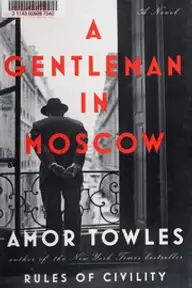
5. A Gentleman in Moscow
Amor Towles
Count Alexander Rostov receives a life sentence of house arrest inside the grand Hotel Metropol across from the Kremlin. Amor Towles shows how a cultivated man builds a rich existence through friendship, literature, and service across decades of Soviet political shifts. The tone remains warm and witty. Readers wanting intense political grit or street warfare should bypass this graceful character study.
Find it on Amazon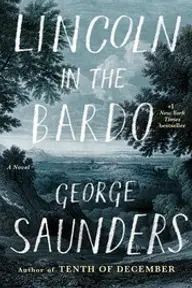
6. Lincoln in the Bardo
George Saunders
Following the death of his young son Willie, Abraham Lincoln visits the Georgetown cemetery, where a chorus of deceased spirits observes his mourning. George Saunders arranges historical snippets and theatrical dialogue into an experimental study of parental love and mortality. Readers uncomfortable with non-traditional page layouts or vulgar historical speech will struggle with the format.
Find it on Amazon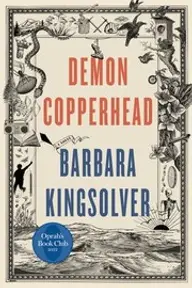
7. Demon Copperhead
Barbara Kingsolver
Barbara Kingsolver retells David Copperfield in modern southern Appalachia through an orphaned boy caught in foster care and the opioid epidemic. Demon’s sharp first-person voice carries the narrative through institutional neglect and personal survival. Those seeking a light coming-of-age story should look elsewhere, as the book contains graphic depictions of prescription drug addiction, physical neglect, and profanity.
Find it on AmazonMortality and Meaning
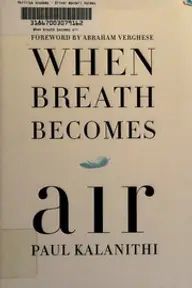
8. When Breath Becomes Air
Paul Kalanithi
Facing stage four lung cancer near the end of his neurosurgical residency, Paul Kalanithi reflects on the transition from treating dying patients to becoming one himself. The memoir examines what makes human life worth living when the future disappears. Readers currently coping with acute medical anxiety or grief may find the clinical descriptions of illness and decline difficult to read.
Find it on Amazon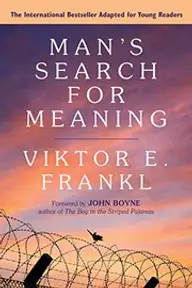
9. Man's Search for Meaning
Viktor E. Frankl
Psychiatrist Viktor E. Frankl describes his survival in Nazi concentration camps and outlines logotherapy, his theory that human fulfillment stems from identifying personal purpose. His direct prose provides practical insight on enduring extreme suffering with moral agency. Readers should be prepared for plain descriptions of camp atrocities, severe starvation, and physical brutality that accompany his philosophical arguments.
Find it on Amazon
10. Frankenstein
Mary Shelley
Victor Frankenstein brings an assembled creature to life, only to abandon it in disgust and trigger catastrophic consequences. Mary Shelley uses this gothic foundational tale to examine unchecked ambition, social alienation, and the desperate human need for companionship. Readers expecting the green monster of Hollywood cinema will encounter a philosophical dialogue instead. The story features murder, psychological misery, and gothic dread.
Find it on Amazon
11. Invisible Man
Ralph Ellison
Ralph Ellison traces an unnamed Black narrator moving from the American South to Harlem, confronting white hostility and ideological exploitation at every turn. The narrator calls himself invisible because white society refuses to see him as a person. Readers looking for a gentle social critique should look elsewhere. The novel includes depictions of mob violence, psychological trauma, and adult situations.
Find it on AmazonSociety and Conscience
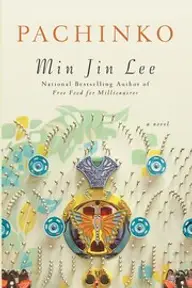
12. Pachinko
Min Jin Lee
Min Jin Lee chronicles four generations of an ethnic Korean family living in twentieth-century Japan, beginning with a young woman’s unplanned pregnancy in a fishing village. The narrative details how structural discrimination shapes employment, education, and family cohesion across decades. Readers wanting a fast, single-character narrative may find the sprawling cast difficult to track. It features brief sexual content, prejudice, and suicide.
Find it on Amazon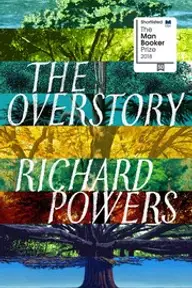
13. The Overstory
Richard Powers
Richard Powers connects nine disparate individuals whose lives intersect with trees and radical environmental activism. The narrative reframes human time against the vast ecological timescale of forests, asking what sacrifices preservation demands. Readers who prefer compact character-driven stories may find the unconventional structure and dense botanical passages slow. The book includes depictions of self-harm, activist violence, and environmental destruction.
Find it on Amazon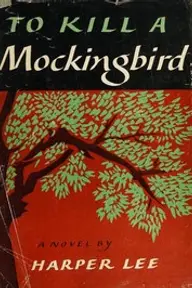
14. To Kill a Mockingbird
Harper Lee
Scout Finch observes her lawyer father Atticus defend a Black man falsely accused of rape in Depression-era Alabama. Harper Lee explores childhood empathy, moral integrity, and the entrenched racism of small-town institutions. Readers wanting a nuanced modern historical analysis may find the courtroom framing conventional. The text includes racial slurs, mob threats, and discussions of sexual violence.
Find it on AmazonHow to Choose Your First Classic
Selecting the right title depends on whether you want an immersive multi-generational saga or an immediate philosophical reflection. Readers seeking a vast historical canvas should begin with Pachinko or One Hundred Years of Solitude, both of which follow families across decades of cultural change. If you have limited reading time each evening, shorter works like When Breath Becomes Air or The Remains of the Day deliver concentrated insight without requiring hundreds of pages of world-building.
At ReadNext, candidate books are proposed, each title is checked against Open Library’s catalog to ensure title and author match an established work, and only verified books are listed. Matching a reader to a lifelong classic requires assessing emotional readiness as much as interest. If you want a quick diagnostic to find your next title, our What Should I Read Quiz recommends matches based on your preferred pacing and themes.
What to Do When a Classic Stalls
Setting aside an acclaimed book that fails to hold your attention protects your reading momentum. Struggling through dense prose is not a personal defect. Classic works were written for specific historical moments and aesthetic preferences. One Hundred Years of Solitude treats folklore and history as equally real, which disorients readers accustomed to linear plot development. When a narrative feels impenetrable, switching to an audiobook often clarifies the cadence of complex sentences.
Readers who find nineteenth-century gothic prose or experimental formats grating can explore Classic Books to Read, which features accessible starting points. If a book continues to drag after a fair trial, moving on to another title allows you to spend your reading hours on books that genuinely speak to you.
Who Should Choose Different Titles
These titles do not serve readers looking for breezy commercial thrillers, escapist romance, or light recreational reading. These books confront systemic violence, racial oppression, terminal illness, and existential dread. Readers experiencing acute personal grief, clinical depression, or intense work burnout will likely find titles like Beloved or When Breath Becomes Air emotionally draining.
Younger audiences and educators looking for classroom material should consult our recommendations in Books for Teens, which addresses adolescent maturity levels more directly. For adult readers seeking titles focused on masculine perspectives and practical challenges, explore Books for Men to Read.
Where to Direct Your Reading Next
Our pick changes if your immediate priority is career development or genre-specific entertainment, as those goals demand contemporary trade nonfiction or focused genre fiction. When personal circumstances change, different stories provide the specific clarity you require.
Explore our comprehensive index of Books to Read for Every Age and Moment to discover literature tailored to specific life transitions and reading goals. Select one title from the fourteen options above, secure a copy from your local library, and take your first step into these books to read before you die.