Trevor Noah’s Born a Crime and Jon Krakauer’s Into Thin Air are two of the best non fiction books to read when you want true stories with the momentum of a novel. At ReadNext, we check candidate titles against Open Library’s catalog. Both books establish clear stakes on their opening pages, keep their focus on concrete human decisions, and avoid academic jargon entirely.
The fourteen titles fall into four areas: personal memoirs, narrative history, accessible science, and practical psychology.
They suit readers who primarily read fiction, adults returning to reading after a long hiatus, and anyone who wants to learn about real events without wading through dry textbooks.
The Best Nonfiction Starting Points by Category
Personal Memoirs
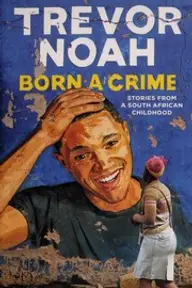
1. Born a Crime
Trevor Noah
Trevor Noah recounts his childhood growing up in South Africa under and immediately following apartheid. The narrative moves quickly because Noah approaches heavy political themes through vibrant personal anecdotes about his resourceful mother, youthful mischief, and cultural identity. His comedic timing keeps the tone brisk. Readers sensitive to depictions of domestic abuse, racial injustice, and extreme poverty should take note before diving in.
Find it on Amazon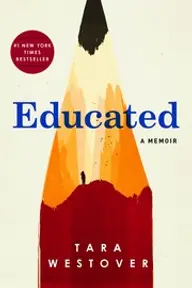
2. Educated
Tara Westover
Tara Westover describes growing up isolated from society by survivalist parents in rural Idaho, eventually teaching herself enough mathematics and grammar to enter university. The book reads like a suspenseful drama because Westover focuses tightly on conflicting familial loyalties. Skip this pick if you wish to avoid graphic depictions of untreated physical injuries, domestic violence, and emotional abuse within an isolated household.
Find it on Amazon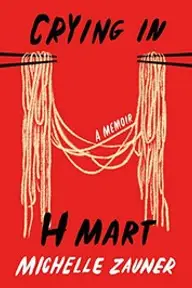
3. Crying in H Mart
Michelle Zauner
Michelle Zauner crafts a moving meditation on Korean culinary heritage, art, and filial affection as she cares for her dying mother. Zauner grounds abstract feelings of grief in sensory descriptions of noodle dishes, grocery aisles, and family kitchens. Readers facing recent loss may find the medical scenes distressing, but readers who appreciate frank family dynamics will find comfort across every chapter.
Find it on Amazon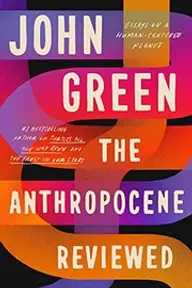
4. The Anthropocene Reviewed
John Green
John Green reviews facets of our human-shaped planet, from scratch-and-sniff stickers to the plague, on a standard five-star scale. The short essay format lowers the barrier to entry because each reflection takes only minutes to finish. It suits readers who want quiet humor alongside philosophical observations. Green discusses his personal battles with clinical depression, which might feel somber for some.
Find it on AmazonTrue Crime and Narrative History
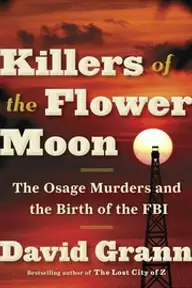
5. Killers of the Flower Moon
David Grann
David Grann uncovers the systematic murders of wealthy Osage citizens in Oklahoma and the early federal investigation that followed. Grann constructs the account with the deliberate suspense of an investigative procedural, keeping the historical records urgent. It is an ideal bridge for mystery fans new to nonfiction. The text documents racial violence, ruthless greed, and conspiratorial medical murders.
Find it on Amazon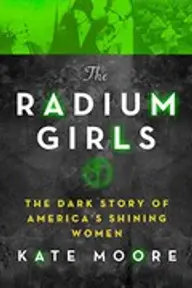
6. The Radium Girls
Kate Moore
Kate Moore chronicles the young factory employees who painted luminous watch dials, unknowingly poisoning themselves while management hid laboratory findings. It suits anyone who values stories of collective courage and courtroom drama. Readers should prepare for painful medical details, as Moore describes the progressive physical destruction caused by radium exposure alongside callous corporate denial.
Find it on Amazon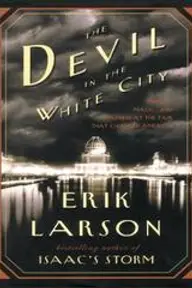
7. The Devil in the White City
Erik Larson
Erik Larson juxtaposes the monumental architectural labor behind the Chicago World’s Fair against the predatory schemes of serial killer H. H. Holmes. The alternating storylines create natural narrative momentum, balancing urban planning triumphs with grim true crime. Readers looking purely for macabre thriller beats may find the architectural chapters slower, while history lovers will relish both threads.
Find it on Amazon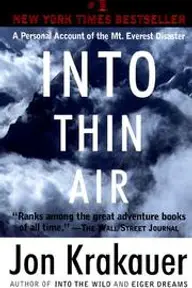
8. Into Thin Air
Jon Krakauer
Jon Krakauer delivers a firsthand account of the disastrous Mount Everest expedition that claimed multiple lives in a sudden blizzard. Krakauer writes with fierce clarity about commercial mountaineering, hypoxia, and moral dilemmas at high altitude. The survival drama grips you immediately, though the tragic loss of life and the author’s open survivor guilt give the final chapters a haunting weight.
Find it on AmazonScience and the Natural World
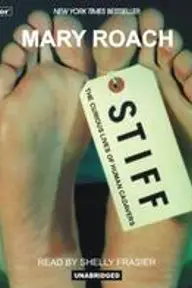
9. Stiff: The Curious Lives of Human Cadavers
Mary Roach
Mary Roach investigates what happens to human bodies donated to scientific advancement, exploring crash-test research, decomposition facilities, and surgical training. Roach employs warm humor and curiosity to make an intimidating subject palatable. If frank discussions of postmortem processes or anatomical dissection make you squeamish, pass on this title. Curious readers will appreciate Roach’s respectful perspective on human mortality.
Find it on Amazon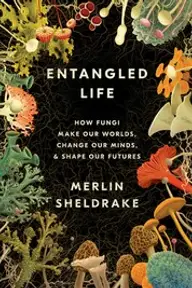
10. Entangled Life
Merlin Sheldrake
Merlin Sheldrake invites readers into the subterranean universe of fungi, explaining how underground mycelial webs connect forest ecosystems and alter animal behavior. Sheldrake writes with poetic curiosity, making complex biological processes feel immediate and strange. Readers who prefer fast-paced human conflict might find the ecological pacing gentle, but nature enthusiasts will come away viewing the physical world with fresh eyes.
Find it on Amazon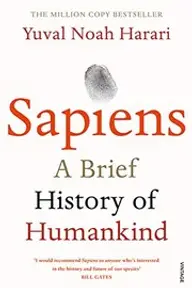
11. Sapiens: A Brief History of Humankind
Yuval Noah Harari
Yuval Noah Harari traces the biological and cultural history of our species from prehistoric foragers to global technological rulers. Harari structures the book around major transitions like the Cognitive and Agricultural Revolutions, challenging common assumptions about progress. Readers seeking detailed footnotes or narrow regional history should look elsewhere, as Harari paints in very broad, provocative thematic brushstrokes.
Find it on Amazon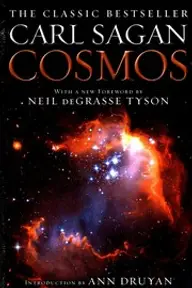
12. Cosmos
Carl Sagan
Carl Sagan weaves astronomy, planetary science, and human history into an eloquent celebration of cosmic discovery. Sagan explains complex physical laws using lyrical prose and historical parables, making astrophysics welcoming to newcomers. Because astronomical tools have evolved since the original publication, readers demanding the latest discoveries might prefer newer monographs, but Sagan’s philosophical wonder remains timeless.
Find it on AmazonEveryday Psychology and Big Ideas
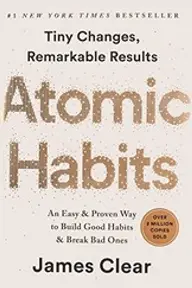
13. Atomic Habits
James Clear
James Clear outlines a practical framework for building constructive routines and shedding counterproductive behaviors through incremental adjustments. Clear relies on clear behavioral principles without motivational fluff, offering simple systems anyone can test immediately. If you dislike structured self-improvement guides or prefer narrative-heavy storytelling, choose a memoir instead. Readers wanting manageable life tweaks will find immediate clarity.
Find it on Amazon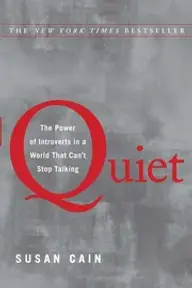
14. Quiet: The Power of Introverts in a World That Can't Stop Talking
Susan Cain
Susan Cain examines how modern Western culture came to celebrate extroversion, demonstrating the unrecognized value that contemplative introverts bring to schools and workplaces. Cain blends social research with memorable case profiles of quiet leaders. Extroverted readers who feel defensive about workplace personality traits might struggle with the framing, but introverts will find validation across every chapter.
Find it on AmazonHow to Choose Your First Nonfiction Book
The fastest way to finish a nonfiction volume is to pick a subject that matches your favorite fiction genres. Mystery and thriller enthusiasts usually settle quickly into narrative history like Killers of the Flower Moon or true adventure like Into Thin Air. Both present real investigations and physical danger with the tight pacing of crime novels.
Character-driven fiction lovers should start with personal memoirs. Volumes like Born a Crime or Educated depend entirely on the author’s voice and familial stakes, pulling you along through emotional resonance instead of dense timelines. Readers drawn to speculative worldbuilding often find that Entangled Life or Cosmos provides that same sensation of entering an unfamiliar, rule-governed world.
Match the book structure to your current reading habits. If you read in short intervals on a commute, choose John Green’s short essays in The Anthropocene Reviewed or the clear behavioral principles in Atomic Habits. If you only read on a commute, start with The Anthropocene Reviewed instead of Born a Crime. Both allow you to pause every few pages without losing the thread.
Who Should Choose Different Starting Titles
Readers who require rigorous academic citations, detailed historiographical debates, or exhaustive primary source catalogs will find these general introductions too conversational. These titles prioritize narrative flow and accessibility over specialized scholarly balance.
If you are seeking complete subject mastery or technical vocational training, step outside introductory catalogs. You will make faster progress consulting specialized trade texts or university course syllabi. When your goal is simply to reignite reading stamina without academic fatigue, start with our curated Books for Adults Who Don’t Read instead.
What to Do When Nonfiction Feels Heavy
Give yourself permission to alter how you consume factual books compared to novels. When a narrative chapter bogs down in administrative detail or economic context, skim forward until the main human story resumes. Factual volumes function as tools for your interest, meaning you do not owe the text an exhaustive word-by-word endurance test.
Pair the print volume with an audio edition narrated by the author. Trevor Noah and Michelle Zauner narrate their own memoirs, adding inflection and emotional clarity that can carry you past passages that might feel slow in print. If you find your focus wandering constantly after multiple attempts, put the volume aside without guilt and try our interactive What Should I Read Quiz to discover a closer match.
Next Steps After You Finish These Picks
Once you finish a title that catches your interest, branch out into neighboring categories while your reading momentum is strong. Finishing James Clear often creates curiosity about cognitive habits, which pairs naturally with our breakdown of Books Like Atomic Habits for deeper behavioral study.
If you discover a preference for personal stories, explore our tailored recommendations for Books for Men or Books for Women to find complementary perspectives. You can also view our complete collection of Books to Read for Every Age and Moment to plan your next reading stretch.