The best entry points for young readers are The Lion, the Witch and the Wardrobe for a timeless journey through a frozen world, Amari and the Night Brothers for fast urban mystery, and The Worst Witch for younger readers who want school mishaps without heavy peril. Each story establishes clear rules for magic while keeping the focus on relatable characters facing real choices.
At ReadNext, we group these eleven titles by setting and style so you can match a book to your reader’s current taste. Whether they want portal worlds, hidden academies, wilderness journeys, or animal fables, every entry includes a clear note on emotional weight and frightening elements.
The Best Fantasy Books for Kids, Grouped by Adventure Style
Portal Worlds & Hidden Magic
1. The Lion, the Witch and the Wardrobe
C. S. Lewis
Four siblings step through a wardrobe into Narnia, a land trapped in perpetual winter by the White Witch. The battle sequences involve swords and mythical creatures, and Aslan’s sacrificial death scene carries solemn emotional weight without being graphic. It is an ideal read-aloud for families who want clear moral stakes and rich worldbuilding. Readers who dislike older narrative voices should look elsewhere.
Find it on Amazon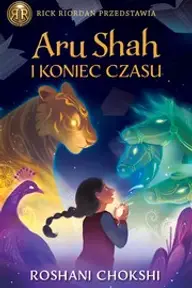
2. Aru Shah and the End of Time
Roshani Chokshi
Twelve-year-old Aru lights a cursed lamp on a dare, which frees an ancient demon and freezes her mother in time. She must awaken ancient Hindu myths to save the world across a fast-paced quest. The dialogue is humorous and snappy, balanced by fantasy peril and monster battles. Skip it if your child dislikes modern pop-culture banter in their fantasy.
Find it on Amazon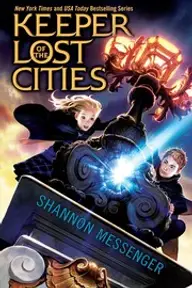
3. Keeper of the Lost Cities
Shannon Messenger
A telepathic girl named Sophie discovers she is an elf and leaves the human world to live in a hidden, gleaming society. The book balances social friction at an elite academy with secrets about Sophie’s past. Content notes include mild danger and kidnapping scenes, though it remains appropriate for middle grade fans. Readers looking for a short narrative should note this begins a very long series.
Find it on AmazonMagic Schools & Secret Societies
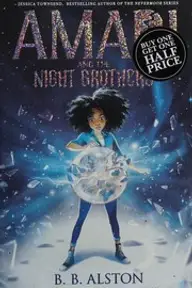
4. Amari and the Night Brothers
B. B. Alston
Amari investigates her missing brother by competing for a spot at a secret supernatural bureau where she discovers she holds rare, forbidden magic. The pacing moves quickly with fast action, mystery trials, and direct depictions of unfair treatment and bullying. It fits kids who love high-stakes modern investigations. Skip it if your child prefers a rustic, quiet fairytale setting.
Find it on Amazon5. The Worst Witch
Jill Murphy
Mildred Hubble is an accident-prone young witch at a boarding school who regularly mixes up spells and encounters comic mishaps. Illustrated by the author, the chapters are brief and approachable for newly independent readers. The peril stays mild throughout, with comic tension rather than genuine menace. Children seeking sprawling quests or detailed magic rules will outgrow this one quickly.
Find it on Amazon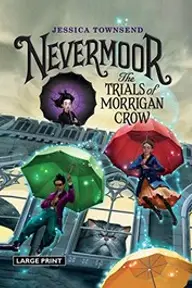
6. Nevermoor: The Trials of Morrigan Crow
Jessica Townsend
Morrigan Crow is told she is cursed, but she escapes an early doom by entering a secret society where she faces a series of trials. The story balances dark humor with warmth and whimsical world details. Some suspenseful chases and creepy atmospheric moments might startle very timid readers. It is the start of an ongoing series for children who enjoy clever worldbuilding.
Find it on Amazon7. Wizard's Hall
Jane Yolen
A quiet boy named Henry arrives at a sorcery academy feeling clumsy, only to find that his small, odd talent matters when a monster threatens the school. The atmosphere is traditional and focused on classroom lessons and student anxieties. Mild scary magic and peril make an appearance during the climax, which can frighten sensitive readers. Readers who crave rapid action might find the pacing gentle.
Find it on AmazonEpic Quests & High Adventure
8. The Girl Who Drank the Moon
Kelly Barnhill
A kindly witch accidentally feeds an abandoned baby moonlight, raising the child as magic swells inside her. The narrative touches on serious themes: a town that abandons babies, a mother separated from her child, and deep grief. It suits mature readers who enjoy multiple viewpoints and complex emotions. Children looking for straightforward humor or light adventures should pass on this one.
Find it on Amazon9. The Hobbit
J. R. R. Tolkien
Bilbo Baggins is pulled from his comfortable home into a sprawling quest involving a dragon, goblins, and a mysterious gold ring. The story contains large battle scenes, threatening giant spiders, and several character deaths. It works well as a shared family read-aloud where an adult can guide the classic prose. Reluctant solo readers may stumble on the dense descriptive passages.
Find it on Amazon10. Where the Mountain Meets the Moon
Grace Lin
Minli journeys to change her family’s fortune, meeting a flightless dragon and various travelers who share traditional tales along the road. The plot weaves together Chinese folktales and illustrations painted by the author. Peril is mild, focusing more on perseverance and generosity than physical combat. Note that while this volume feels complete, the author created companion novels set in the same world.
Find it on AmazonTalking Animals & Gentle Magic
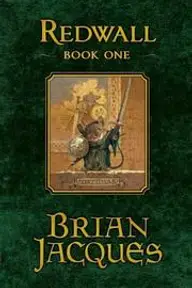
11. Redwall
Brian Jacques
A young mouse named Matthias defends Redwall Abbey against a rat warlord’s invading horde in this rich animal epic. The book includes medieval-style castle defense, intense hand-to-hand skirmishes, and sad character deaths alongside warm banquet descriptions. It begins an expansive multi-book saga that suits patient readers. Skip it if the reader is sensitive to animal peril or finds large ensemble casts confusing.
Find it on AmazonHow to Match Subgenres to Your Child’s Reading Habits
Choosing among fantasy books for kids begins with understanding which magical environment holds your reader’s attention. Portal fantasies work best for children who like seeing an everyday character react to a completely foreign world, providing an accessible gateway through the protagonist’s eyes. Magic school stories appeal to readers who enjoy friendship dynamics, classroom rivalries, and clear rules for how spells work.
Epic quests demand more endurance because they focus on long journeys, geography, and multiple factions across a wider world. If a child struggles to finish chunky books, start with contained school stories or illustrated folklore rather than sprawling multi-volume sagas. Readers who enjoy rich descriptions of food, shelter, and community often connect with talking animal epics like Redwall.
- Portal stories introduce magic gradually through the eyes of an ordinary human kid.
- School settings provide familiar daily routines that anchor unusual supernatural powers.
- Quest adventures reward readers who enjoy maps, survival challenges, and travel.
Evaluating Emotional Weight and Frightening Scenes
Fantasy for young audiences covers a wide spectrum from gentle slapstick to genuine physical peril. Stories that deal with grief, such as The Girl Who Drank the Moon, demand emotional maturity even when physical violence remains low. In contrast, quest stories like The Hobbit include giant spiders, battlefield casualties, and monstrous adversaries that require a stomach for direct combat.
Parents can assess readiness by checking whether a book features character deaths, separation from parents, or dark psychological tension. Slapstick stories are usually gentler, leaning on magical accidents and comic villains rather than life-or-death stakes. If your child is sensitive to bedtime nightmares, avoid stories with monstrous transformations or subterranean peril until they are older.
- Emotional weight involves themes of orphanhood, loss, or community sorrow.
- Action peril centers on physical combat, monster attacks, and dungeon escapes.
- Comic fantasy relies on humorous spell mix-ups where nobody suffers lasting harm.
Transitioning from Family Read-Alouds to Solo Reading
Many middle grade fantasy novels feature sentence structures that challenge developing readers when attempted alone. Using complex novels as family read-alouds allows children to enjoy rich plots, such as C. S. Lewis’s Narnia, while an adult handles tricky vocabulary. This bridges the gap between early chapter books and dense worldbuilding.
When your child moves to independent reading, look for clear chapter breaks, interior illustrations, and active pacing. Titles like The Worst Witch or Where the Mountain Meets the Moon offer visual support and concise episodes that build stamina. For more targeted age recommendations, explore our curated books for 5th graders and books for 10 year olds.
- Read-alouds introduce lifted vocabulary without stalling narrative momentum.
- Illustrated pages provide breathing room for newly independent readers.
- Short chapters create frequent stopping points that prevent reading fatigue.
What to Do When a Fantasy Book Does Not Land
When a child abandons a fantasy novel, the problem is rarely an aversion to magic itself. More often, the issue stems from an overwhelming volume of invented names, sluggish introductory chapters, or an unappealing protagonist. If a child drops a book within fifty pages, identify whether the pacing felt too slow or the world felt too complicated.
Switch tracks immediately by altering the format or the tone. If an epic quest like The Hobbit stalls, try an urban mystery with modern humor like Amari and the Night Brothers. You can also explore our broader directory of Books to Read for Every Age and Moment to discover different literary genres.
- Trade dense, old-fashioned prose for modern dialogue and fast action.
- Swap high fantasy maps for a relatable contemporary city setting.
- Switch to audiobooks so professional narrators can bring unusual dialects to life.