Wonder, The Lightning Thief, and Holes represent three reliable paths into reading for fifth graders. At ReadNext, we check each title against Open Library’s catalog.
Readers already comfortable with young adult pacing or complex high-school themes should skip middle grade fiction in favor of older categories. Our pick changes if a reader needs visual storytelling to stay engaged, making New Kid the top choice.
Fifth grade marks a shift from guided reading toward independent selection. Readers at this stage develop distinct tastes in pacing, world complexity, and genre. The books below fall into four clear categories: school stories, epic fantasy adventures, survival puzzles, and historical narratives.
Books for 5th Graders, Grouped by Reading Interest
Relatable School Stories
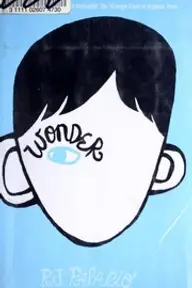
1. Wonder
R.J. Palacio
August Pullman enters a traditional school for the first time after years of home education. The narrative rotates through multiple viewpoints, including his classmates and older sister. This structure lets young readers see how single events feel to different people. Readers who want nonstop physical action may find the classroom drama slow, but anyone who loves character-driven stories will finish it quickly.
Find it on Amazon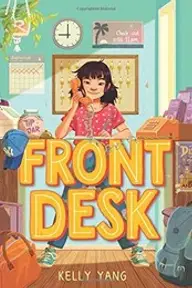
2. Front Desk
Kelly Yang
Mia Tang manages the front desk of a motel where her immigrant parents work as cleaners. She balances school expectations with secret tasks like hiding undocumented immigrants and drafting letters to right local wrongs. The plot moves briskly through small victories and serious setbacks. Children who prefer high-fantasy settings can pass, while readers drawn to justice, real-world grit, and family loyalty will love Mia.
Find it on Amazon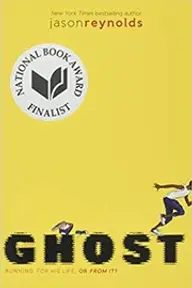
3. Ghost
Jason Reynolds
Castle Cranshaw, known as Ghost, runs track purely on raw talent until a coach spots him and demands discipline. Reynolds writes in an immediate, spoken voice that pulls readers directly into track practice and neighborhood streets. The story deals with a father who is in prison and background trauma. Skip this title if you want complete escapism. Pick it for sports realism and voice.
Find it on Amazon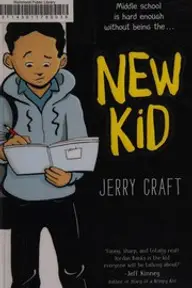
4. New Kid
Jerry Craft
Jordan Banks loves drawing cartoons but his parents enroll him in a prestigious private school with little diversity. The graphic format lets readers register facial expressions and social discomfort instantly. Humor keeps the heavier topics of privilege and microaggressions grounded. Readers who demand dense, text-only chapters should look elsewhere, but visual storytellers and readers looking for relatable school drama will fly through.
Find it on AmazonAction & Epic Fantasy
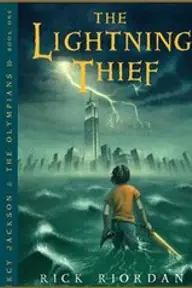
5. The Lightning Thief
Rick Riordan
Percy Jackson discovers his father is Poseidon right before being blamed for stealing Zeus’s master lightning bolt. Fast pacing, sarcastic humor, and modern takes on classic Greek monsters keep chapters moving without pause. It fits any kid moving from shorter early chapter books into substantial series. Skip this choice if your reader dislikes mythological violence or snappy, irreverent protagonists.
Find it on Amazon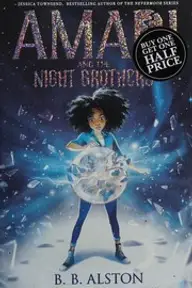
6. Amari and the Night Brothers
B.B. Alston
Amari Peters searches for her missing older brother by joining a secret bureau that regulates magical creatures. She faces prejudice from peers who view her specific magic as inherently dangerous. The plot features clear mystery clues, high-stakes tournament trials, and strong family devotion. Readers wanting gentle domestic stories will find the magic peril intense, but fantasy fans will consume it.
Find it on Amazon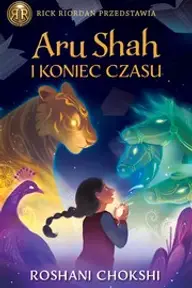
7. Aru Shah and the End of Time
Roshani Chokshi
Aru Shah lights a cursed lamp on a dare at the Museum of Ancient Indian Art and inadvertently frees an ancient demon. She learns she is a reincarnated Pandava and must stop the Sleeper to unfreeze her mother. The dialogue sparkles with humor while introducing Hindu mythology in an adventurous format. Readers unfamiliar with quest adventures might need a few chapters to settle into the sprawling pantheon.
Find it on Amazon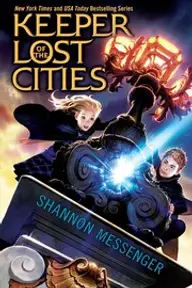
8. Keeper of the Lost Cities
Shannon Messenger
Sophie Foster is a telepathic girl living among humans until she learns she belongs to a hidden society of elves. The world offers telepathic lessons, mythical creatures, and simmering political danger. Its long text rewards patient, dedicated readers who want to disappear into an ongoing saga. Readers intimidated by thick books should start with shorter fantasy standalone novels instead.
Find it on AmazonPuzzles & Survival
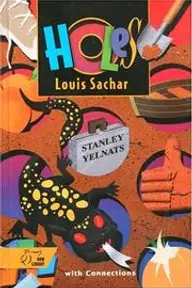
9. Holes
Louis Sachar
Stanley Yelnats is sent to Camp Green Lake, a juvenile detention camp where boys dig holes each day under a brutal warden. Separate historical timelines braid together to resolve a family curse and a buried treasure. The dry humor and ingenious plotting keep even reluctant readers turning pages. Readers sensitive to harsh treatment of children in institutional settings should be aware before starting.
Find it on Amazon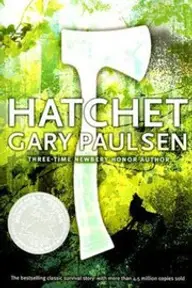
10. Hatchet
Gary Paulsen
Brian Robeson survives a plane crash in the Canadian wilderness with only the clothes on his back and a small hatchet. The narrative focuses on practical survival skills, trial and error, and mental endurance against nature. If a reader wants magical creatures or chatty dialogue, choose a different title. For pure self-reliance, quiet resilience, and wilderness tension, this classic never misses.
Find it on Amazon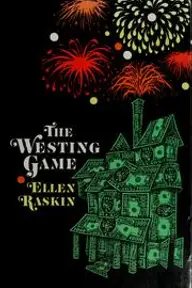
11. The Westing Game
Ellen Raskin
A group of unlikely heirs gather in an apartment building to solve the mysterious death of eccentric millionaire Samuel W. Westing. Readers receive anagrams, word games, and false leads alongside the characters. It challenges readers to pay close attention to tiny details and character quirks. Those who dislike tracking a large ensemble cast might get frustrated by the alternating viewpoints.
Find it on Amazon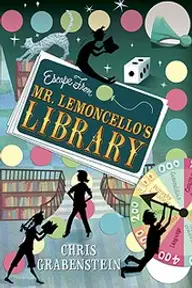
12. Escape from Mr. Lemoncello's Library
Chris Grabenstein
Kyle Keeley and his classmates win an overnight stay in an extravagant, high-tech library designed by an eccentric game maker. To win the grand prize, they must solve a string of riddles, hidden book references, and logic puzzles. The tone is cheerful, fast, and competitive. Readers who prefer solemn, emotional character arcs should choose a drama like Wonder instead.
Find it on AmazonHeart & History
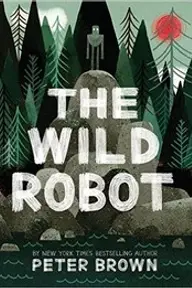
13. The Wild Robot
Peter Brown
Roz the robot wakes up on a remote island and must learn how to survive by observing the local wildlife. The chapters are short, accompanied by expressive black-and-white illustrations that support reading momentum. It handles parenthood, natural danger, and community acceptance with touching simplicity. Skip this book if you are looking for complex human dialogue. Choose it for emotional warmth and ecological wonder.
Find it on Amazon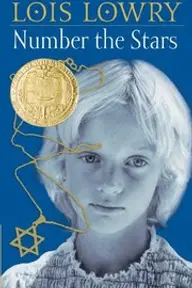
14. Number the Stars
Lois Lowry
Annemarie Johansen and her family help their Jewish best friend escape German soldiers in occupied Copenhagen. The suspense is grounded and historical instead of gory, showing quiet civilian courage during wartime. It offers young readers an accessible, respectful entry into World War II history. If a child is sensitive to themes of military occupation and danger, read this together instead of alone.
Find it on AmazonWhat Reading Looks Like in Fifth Grade
Fifth-grade readers generally shift from learning the mechanics of reading to using reading as an investigative tool. At this age, children possess enough vocabulary to handle chapter books that do not rely on spot illustrations to explain the scene. They can hold multiple subplots in memory across weeks of independent reading.
The primary challenge at this stage is maintaining enthusiasm as school demands increase. When classroom assignments require analysis and nonfiction comprehension, recreational reading sometimes drops off. Pairing a reader with titles that match their specific curiosity prevents reading from feeling like a chore.
Stamina varies widely across any classroom. A student who devours massive fantasy epics can sit right next to a capable reader who prefers graphic novels or fast-moving sports novellas. Both approaches develop critical literacy skills when the material engages their intellect.
How to Match a Book to Your Fifth Grader
Select books based on pacing and narrative structure instead of strict age labels. A child who struggles to finish books often needs immediate action and short chapters. Stories like Ghost or The Lightning Thief grab interest in the first chapter and keep scenes moving quickly.
For readers who enjoy solving mysteries alongside the protagonist, puzzle-box plots deliver tremendous satisfaction. Books like Holes and The Westing Game reward close reading because every offhand remark or strange object eventually ties back into the central solution.
If your child finds long paragraphs of descriptive text tiring, introduce graphic novels like New Kid or illustrated stories like The Wild Robot. Graphic formats require sophisticated inference work because the reader must synthesize emotional cues from illustrations while tracking dialogue across panels.
- Pacing: Pick fast chapter breaks if independent reading sessions tend to stall quickly.
- Format: Mix prose novels with graphic novels and audiobooks to build comprehension across formats.
- Stakes: Choose whether your child wants lighthearted team puzzles or serious, real-world emotional stakes.
- Series vs Standalone: Choose a series like Keeper of the Lost Cities for readers who hate leaving beloved worlds.
Handling Sensitive Themes in Middle Grade Fiction
Fifth graders frequently encounter books that explore serious societal questions for the first time. Middle grade novels regularly touch on grief, family disruption, economic hardship, and systemic unfairness. Authors writing for this age group generally handle these themes with hope and resilience instead of graphic details.
Front Desk addresses poverty and unfair labor practices, while Ghost depicts the lingering effects of domestic danger. These elements reflect realities that many children live through, offering validation to those experiencing them and empathy to those who are not.
If you want to introduce difficult historical periods, choose books that filter events through a child’s protective family circle. Number the Stars introduces the Holocaust through the eyes of a Danish girl protecting her friend, keeping the physical peril modest while honoring the historical truth.
What to Do When a Book Does Not Land
Abandoning a book that is not working is a healthy reading habit. If a child reads a few chapters and feels indifferent, forcing them to finish the novel creates negative associations with reading. Give permission to put the book down and try an alternative title that fits a different mood.
When a story feels too slow, switch to an audiobook version before dropping the title entirely. Skilled voice actors clarify character voices and pacing, which helps children push past initial exposition into the core action. Listening while following along with a physical copy can also bridge comprehension gaps.
If complex prose causes frustration, drop down to shorter, high-interest books before trying again. You can explore Books for 4th Graders for accessible, confidence-building adventures, or browse Books for Reluctant Readers for titles designed to hook resistant readers.
Where to Go After These Middle Grade Favorites
Once a fifth grader finishes these recommendations, their next step depends on what element hooked them most. If the wilderness isolation of Gary Paulsen resonated, explore Books Like Hatchet for similar stories of resourcefulness in dangerous environments.
If your reader easily tackled the multi-layered conflicts in Wonder and The Westing Game, they may be ready for the deeper social dynamics in Books for 6th Graders. Sixth-grade novels introduce more complex ethical dilemmas and emerging independence.
Readers who remain unsure about what genre appeals to them can take our interactive What Should I Read Quiz to discover options based on mood and interest. You can also explore Books to Read for Every Age and Moment to plan reading selections across different grades.