Bearing the Unbearable, It’s OK That You’re Not OK, and Dancing at the Pity Party offer three distinct, steady anchors when bereavement leaves you completely unmoored. These selections honor the reality of loss without rushing the reader toward false closure or tidy platitudes.
The selection is organized by the relationship you are mourning and the tone you need right now, spanning sudden partner bereavement, parental loss, the death of a child, and foundational guides to emotional survival. It is meant for readers sitting inside heavy heartache who want frank reading companions.
These grief books are not for people seeking quick self-help tips or immediate resolution. Our recommendations change based on the reader’s current emotional capacity: anyone experiencing acute cognitive brain fog should skip the denser philosophical memoirs and start with graphic accounts or brief essays.
Grief Books Grouped by Loss and Emotional Need
Grieving a Partner
1. The Year of Magical Thinking
Joan Didion
Joan Didion documents the shock and disorientation following the sudden death of her spouse. Her prose captures the strange mental negotiations and cognitive loops that define shock. It does not focus on structured recovery steps. It provides an articulate, unsentimental account of disorientation, medical trauma, and quiet spousal grief.
Find it on Amazon2. A Grief Observed
C.S. Lewis
C.S. Lewis recorded these notebook entries following the death of his wife from cancer. The writing is spare, ferocious, and candid about physical loneliness, anger, and the erosion of intellectual certainty. The book candidly examines his crisis of faith and anger after bereavement. It is personal reflection, not a guide. It offers a frank record of doubt and marital ache.
Find it on Amazon3. Grief Is the Thing with Feathers
Max Porter
A grieving father and his sons face the sudden loss of their wife and mother. A giant, abrasive Crow visits them, acting as babysitter, trickster, and guardian until healing begins. The narrative shifts between poetry, play script, and prose fragments. Readers who prefer continuous realism should look elsewhere. It suits anyone whose sorrow feels surreal, fragmented, and wild.
Find it on Amazon4. Option B
Sheryl Sandberg and Adam Grant
Sheryl Sandberg combines her personal account of sudden widowhood with research from Adam Grant. The text focuses on emotional resilience and helping grieving children. The tone is practical, structured, and forward-looking. Readers wanting lyrical meditation or quiet contemplation should look elsewhere. It suits readers needing direct advice on parenting through grief.
Find it on AmazonGrieving a Parent
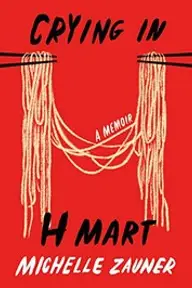
5. Crying in H Mart
Michelle Zauner
Michelle Zauner recounts caring for her mother through terminal cancer while grappling with cultural heritage, Korean food, and complicated family bonds. The narrative moves through grocery aisles, hospital visits, and shared meals. The descriptions of chemotherapy and physical decline are detailed and unflinching. Readers who cannot tolerate graphic scenes of medical illness should skip this title.
Find it on Amazon6. H Is for Hawk
Helen Macdonald
Following the sudden death of her father, Helen Macdonald adopts and trains a ferocious goshawk. The story blends falconry history, natural observation, and the psychological descent of severe depression. The pacing is deliberate and atmospheric. Readers seeking a gentle, relationship-centered memoir may find the predatory bird training jarring. It offers a fierce study of isolation and wild distraction.
Find it on Amazon7. Dancing at the Pity Party
Tyler Feder
Tyler Feder created this graphic memoir to document losing her mother to cancer while she was in college. Hand-drawn panels, humorous lists, and vulnerable narration make the crushing weight of bereavement approachable. It addresses the awkward social reactions of peers and long-term milestones without a parent. Readers who prefer formal prose chapters should bypass this format.
Find it on Amazon8. The Astonishing Color of After
Emily X.R. Pan
A teenager searches for maternal connection after her mother dies by suicide. The novel weaves magical realism with art and memory. Sensitive readers should note depictions of parental suicide, depression, and grief. It is a tender choice for young adults handling parental suicide and ancestral roots.
Find it on AmazonGrieving a Child
9. Once More We Saw Stars
Jayson Greene
Jayson Greene writes about the catastrophic loss of his toddler following a traumatic injury. The memoir traces the raw shock of hospital hallways into the gradual reconstruction of a marriage. It avoids easy platitudes while finding small pockets of endurance. Readers sensitive to the death of very young children should avoid it. It provides quiet validation for bereaved parents.
Find it on Amazon
10. Hamnet
Maggie O'Farrell
Maggie O’Farrell dramatizes the devastating loss of a child to the bubonic plague. The storytelling is visceral, grounding parental tenderness in Elizabethan herbs, domestic chores, and sudden sickness. Sensitive readers should note depictions of graphic illness and the death of a young child. It fits readers who find release in historical fiction and shared human experience across centuries.
Find it on Amazon11. Wave
Sonali Deraniyagala
Sonali Deraniyagala recounts surviving a tsunami that claimed members of her family. The prose is unflinching, capturing the sheer terror, suicidal ideation, and fierce preservation of memory. She refuses to soften the horror with artificial hope. Readers vulnerable to descriptions of catastrophic family death and drowning should pass. It is an unsparing account of catastrophic loss and survival.
Find it on AmazonGeneral Loss & Healing
12. It's OK That You're Not OK
Megan Devine
Megan Devine treats grief as a natural response, not a problem. Drawing on personal tragedy and clinical experience, she dismantles cultural pressures to cheer up or find a silver lining. It offers practical, permission-granting validation.
Find it on Amazon13. Bearing the Unbearable
Joanne Cacciatore
Joanne Cacciatore offers essays on enduring traumatic and deep life losses, including child loss. She advocates for mindfulness, sitting beside intense sorrow, and allowing pain to exist without judgment. Her tone is steady and unhurried. Readers seeking rapid solutions or cognitive strategies might find it slow. It brings gentle comfort to traumatic sorrow.
Find it on Amazon14. The Grieving Brain
Mary-Frances O'Connor
Neuroscientist Mary-Frances O’Connor explains why bereavement causes physical exhaustion, brain fog, and confusion. She shows how the brain struggles to update its mental map when an attachment figure vanishes from the world. This approach normalizes memory lapses and disorientation through scientific research. Readers seeking poetic or spiritual reflection will find the tone clinical. It explains the physical and cognitive distress of grief.
Find it on AmazonHow to Choose Grief Books Based on Mental Energy
Choose a book that fits your current mental energy.
When cognitive fog is severe, graphic memoirs offer shorter reading options. Dancing at the Pity Party pairs drawings with short text blocks, while Bearing the Unbearable offers essays on deep loss.
Consider whether you need clinical validation or personal camaraderie before opening a cover. Those who feel isolated in their sorrow can turn to personal memoirs that mirror their specific loss.
- Low Focus: Choose graphic memoirs like Dancing at the Pity Party or essays like Bearing the Unbearable.
- Quiet Camaraderie: Read A Grief Observed or The Year of Magical Thinking when you need frank company without cheerfulness.
- Intellectual Understanding: Pick The Grieving Brain to understand the biological mechanisms behind mental fatigue and memory gaps.
Matching Grief Books to Specific Life Losses
The nature of a death changes the questions a bereaved person carries through the day. Losing a spouse strips away daily domestic rhythm and future plans, creating practical isolation. Losing a parent often triggers reflections on identity and heritage, while losing a child shatters the expected order of generational life.
Books focused on spousal death tackle the immediate silence of an empty home. Titles like The Year of Magical Thinking and Option B examine the disorientation and resilience that follow widowhood. In contrast, parental loss titles like Crying in H Mart examine caregiving exhaustion, cultural inheritance, and food traditions that persist across generations.
When mourning a child, memoirs like Once More We Saw Stars and historical novels like Hamnet capture the physical reality of losing a child. These titles avoid cheap reassurance, offering space for readers whose losses feel unnatural and fundamentally unjust.
What to Do When Grief Books Feel Overwhelming
If an account of medical trauma or sudden death feels overwhelming, you can simply set the book aside. You owe nothing to a text, and there is no requirement to keep reading painful pages.
Setting aside a heavy memoir does not mean you must stop reading entirely. You can step into warm, character-driven fiction such as Remarkably Bright Creatures, which includes deaths, or browse general best nonfiction books that engage curiosity without emotional distress.
Switching mediums also lowers sensory strain when reading printed lines proves difficult. Audiobooks let you rest your eyes and listen at your own speed. You can also explore books to read after a breakup if your current loss involves relationship endings as well as death.
Next Steps for Selecting Grief Books
Finding comfort on the page is an evolving experience that changes as weeks turn into months. A book that felt irritating during the first month of shock might offer solace a year later when the initial fog lifts. Allow your reading choices to shift freely without guilt.
To explore titles suited for other major life transitions, browse our index of Books to Read for Every Age and Moment. If you are still uncertain which direction fits your emotional space today, try our interactive What should I read quiz to discover gentle picks matched to your current capacity.
Take your time, borrow before buying, and choose only the grief books that make you feel heard and supported right now.