The Glass Castle, Educated, and The Year of Magical Thinking are three memoirs to start with. At ReadNext, we group these 13 memoirs by what you want from one. A memoir is a nonfiction account written by the person it is about, usually covering one part of their life rather than all of it.
Several subjects here are heavy, including childhood abuse, drug use, and the death of a child, so read the notes before you choose. If you want fiction, start from Books to Read for Every Age and Moment.
Memoirs to Read by What You Want
Childhood and Family
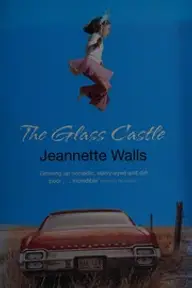
1. The Glass Castle
Jeannette Walls
Jeannette Walls writes about growing up with parents who could not provide for their children. Skip it if parental neglect or poverty is more than you want to read right now. Try Becoming instead, whose note names racism, miscarriage and infertility but no parental neglect. Content note: parental neglect, alcoholism, poverty, and a childhood fire injury.
Find it on Amazon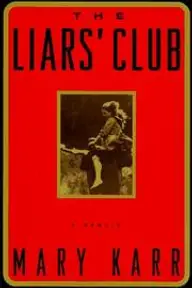
2. The Liars' Club
Mary Karr
Mary Karr writes about a childhood shaped by alcoholism, parental violence, and mental illness in the family. Skip it if parental violence or child neglect is more than you can read. Try Becoming instead, whose note names racism, miscarriage and infertility but no parental violence or child neglect. Content note: alcoholism, parental violence, mental illness, and child neglect.
Find it on Amazon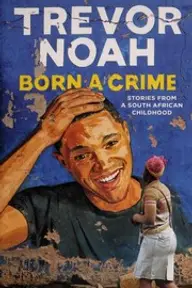
3. Born a Crime
Trevor Noah
Trevor Noah writes about his childhood in the apartheid era and the racism of that time. Skip it if domestic violence from a stepfather is more than you want to read. Try Becoming instead, whose note names racism, miscarriage and infertility but no domestic violence. Content note: apartheid-era racism and domestic violence by a stepfather.
Find it on Amazon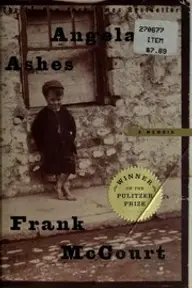
4. Angela's Ashes
Frank McCourt
Frank McCourt writes about a childhood of extreme poverty, in which the family loses children to death. Its alcoholism and poverty overlap with The Glass Castle. Skip it if child deaths and physical abuse are too much. Try Open instead, whose note names drug use and an unhappy childhood but no child deaths or physical abuse. Content note: extreme poverty, child deaths, alcoholism, and physical abuse.
Find it on AmazonGrowing Up Against Hard Odds
5. Educated
Tara Westover
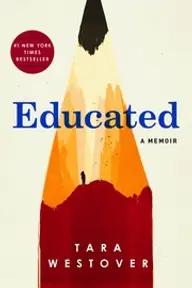
Tara Westover writes about a harsh family, including abuse by a sibling and religious extremism. Pick it for a hard family story told by the person who lived it. Skip it if childhood abuse, religious extremism, or family violence is more than you want to read right now. Try Becoming instead, whose note names racism, miscarriage and infertility but no abuse. Content note: childhood abuse by a sibling, emotional abuse, religious extremism, and family violence.
Find it on Amazon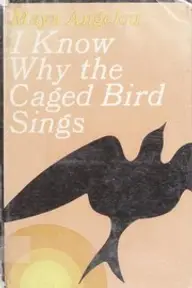
6. I Know Why the Caged Bird Sings
Maya Angelou
Maya Angelou writes about her childhood and the racism and violence she grew up with. Skip it if childhood rape is more than you can read right now. Try Becoming instead, whose note names racism, miscarriage and infertility but no sexual violence. Content note: childhood rape, racism, and violence.
Find it on AmazonCareers and Ambition
7. Becoming
Michelle Obama
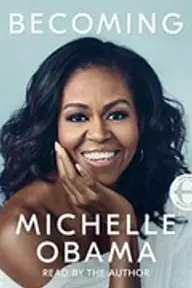
Michelle Obama writes about her struggles with miscarriage and infertility. Pick it for a life told through ambition and public work, and skip it if miscarriage or infertility is too close to home right now. Try Open instead, whose note names drug use and an unhappy childhood but no miscarriage. Content note: racism, miscarriage, and infertility struggles.
Find it on Amazon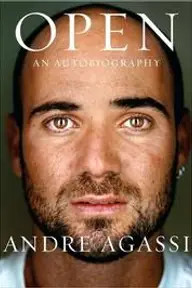
8. Open
Andre Agassi
Andre Agassi writes about his childhood under a demanding father. Skip it if drug use is hard to read. Try Becoming instead, whose note names racism, miscarriage and infertility but no drug use. Content note: crystal methamphetamine use and an unhappy childhood driven by a demanding father.
Find it on Amazon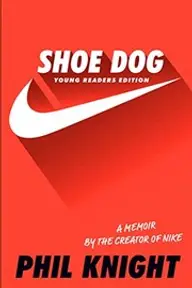
9. Shoe Dog
Phil Knight
Phil Knight’s memoir is about building a business. We have no content note on file for it, so we cannot say which subjects it covers or avoids. If you need to rule out hard subjects first, choose a title whose note you have read, such as Becoming or Open.
Find it on AmazonGrief and Loss
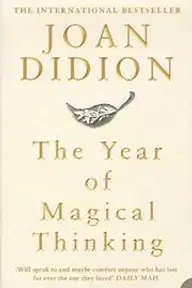
10. The Year of Magical Thinking
Joan Didion
Joan Didion writes about the sudden death of a spouse and the critical illness and death of a daughter. Skip it if the death of a spouse or a child is too close right now. Try Crying in H Mart instead, whose subject is a mother’s death. Content note: sudden death of a spouse, and a daughter’s critical illness and death.
Find it on Amazon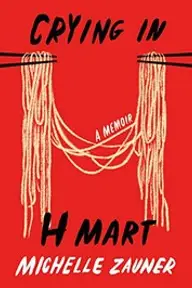
11. Crying in H Mart
Michelle Zauner
Michelle Zauner writes about her mother’s terminal cancer and death, and the grief that followed. Skip it if a parent’s terminal illness is too close to home. Try Open instead, whose note names drug use and a demanding father but no terminal illness. Content note: mother’s terminal cancer and death, and grief.
Find it on Amazon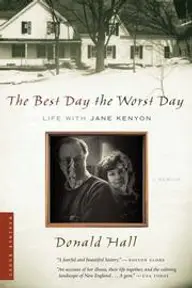
12. The Best Day the Worst Day
Donald Hall
Donald Hall writes about a spouse’s terminal illness and death. Skip it if terminal illness is too close to home. Try Becoming instead, whose note names racism, miscarriage and infertility but no terminal illness. Content note: terminal illness and death of a spouse.
Find it on Amazon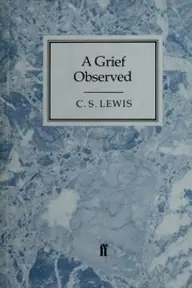
13. A Grief Observed
C. S. Lewis
C. S. Lewis writes about bereavement and spiritual despair. Skip it if reflection on spiritual despair is not what you want from a book about loss. Try Crying in H Mart instead, whose subject is a mother’s terminal cancer and death. Content note: bereavement and spiritual despair.
Find it on AmazonHow to Pick a Memoir
Pick by theme from the four groups, and use the content notes to rule out titles first. For a broader read, try the best nonfiction books.
- Voice: read the first few pages and notice whether the author’s tone holds your attention.
- Content: read the content note in each entry before you start, so the hard subjects are known in advance.
- Audio: we have no narrator information for these 13 titles, so do not assume the author reads any of them. If a narrator does not suit you, switch to the print edition and keep the same pick.
This page is not for a reader who wants a light, escapist read. Our pick of group changes with your situation. If you lost someone recently, start with Careers and Ambition. If you are at ease with heavy subjects, start with any group.
When a Memoir Does Not Land
Stop a memoir that does not hold your attention, and switch groups. The four groups cover different subjects: Childhood and Family, Growing Up Against Hard Odds, Careers and Ambition, and Grief and Loss.
For more on loss, see grief books. For a broader set of nonfiction, see the best nonfiction books list, and if you are new to nonfiction, start with nonfiction for beginners. If you cannot tell which group fits, the What should I read quiz can narrow it down.
Content Notes for Parents and Sensitive Readers
A note names the subjects a book covers and does not describe how the author handles them. Read the note, and if the subject is close to a young reader’s own life, choose another title.
Several titles name a death in the family. The grief group covers a spouse, a daughter, and a mother, and Angela’s Ashes names child deaths.
Shoe Dog has no content note on file, so we cannot say whether it covers any of these subjects. I Know Why the Caged Bird Sings is the only title whose note names childhood rape. The Glass Castle, The Liars’ Club, and Angela’s Ashes each name alcoholism. If that is hard to read, skip all three and read Born a Crime or Becoming instead. Neither note names alcoholism.