Good mythology books for kids give ancient tales immediate stakes. For fast-paced adventure, The Lightning Thief and Aru Shah and the End of Time plunge modern middle schoolers straight into living legends, while Norse Mythology delivers sharp retellings of classic northern sagas. These stories connect traditional lore to questions children care about today.
At ReadNext, we group these selections by format and narrative style so you can match your young reader’s interests. The list below begins with broad encyclopedic collections, moves into modern urban fantasy quests, and finishes with visual graphic novels and folklore-rich fairy tales.
Every title here includes clear details about pacing, tone, and scary themes. Whether you need an independent read for an avid fantasy fan or a lively family read-aloud, here is where to start.
Mythology Books for Kids Grouped by Style
Foundational Anthologies & Collections
1. Norse Mythology
Neil Gaiman
This volume delivers plain-spoken, witty retellings of the classic northern tales from the world tree to the final twilight. Written originally for adult trade, it suits confident readers around ten and up or functions well as a parent-previewed read-aloud. The prose carries dry humor, though families should anticipate killings, Loki’s visceral punishment, crude humor, and the destruction of the world at Ragnarok.
Find it on Amazon2. Gods and Heroes: Mythology Around the World
Korwin Briggs
An A-to-Z encyclopedia of more than 70 characters from 23 cultures, this volume covers the most traditions of the books listed, including Greek, Hindu, Japanese, Irish and others. Illustrated by the author in cartoon style, it targets ages 8 to 12 with short, lively entries. It serves casual browsers who prefer quick profiles over long chapter sagas.
Find it on AmazonModern Myth-Based Quests
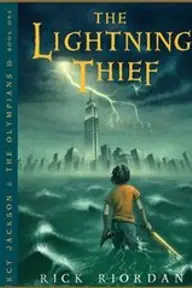
3. The Lightning Thief
Rick Riordan
This contemporary adventure pulls an ordinary twelve-year-old into a world where the Greek gods are real and actively meddling in America. Percy Jackson faces accusations of theft while wrestling with newfound abilities and dangerous creatures. Percy’s stepfather is verbally abusive and his mother disappears early in the story. Defeated monsters crumble into dust, which softens the frequent combat scenes.
Find it on Amazon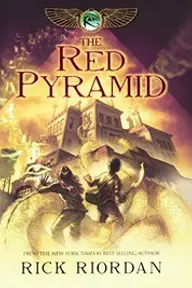
4. The Red Pyramid
Rick Riordan
Two estranged siblings, Carter and Sadie, take turns narrating as ancient Egyptian deities awaken in the modern world. When their father vanishes, the pair must master dormant magic to confront the god Set. The dual perspectives offer varied humor and voice, balancing action violence with rich historical detail. Readers who dislike rapid perspective switching might prefer a single-narrator quest.
Find it on Amazon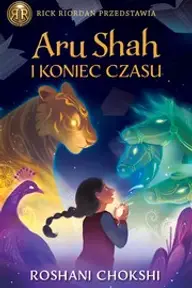
5. Aru Shah and the End of Time
Roshani Chokshi
While stretching the truth to impress classmates at an Atlanta museum, twelve-year-old Aru lights a cursed lamp and frees an ancient demon. She sets out on an urgent journey to awaken the reincarnated Pandava heroes from Hindu epics. This fast quest features snarky banter and magical trials. It may suit readers who liked Greek-myth quests and want a similar dynamic.
Find it on Amazon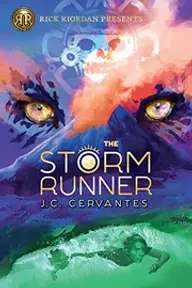
6. The Storm Runner
J.C. Cervantes
Zane Obispo, a boy who walks with a cane, discovers he is tied to ancient Maya gods and a prophecy, leading to a showdown with an imprisoned god of death. Set in the New Mexico desert, the narrative mixes ancient mesoamerican cosmology with modern teenage life. Expect scary underworld creatures, high physical stakes, and intense fantasy combat scenes throughout.
Find it on Amazon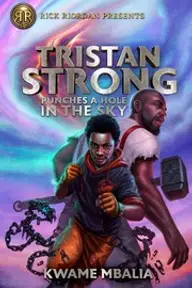
7. Tristan Strong Punches a Hole in the Sky
Kwame Mbalia
Seventh-grader Tristan travels to his grandparents’ Alabama farm while carrying deep pain after his best friend Eddie dies in a bus accident before the story starts. When a glowing creature steals Eddie’s journal, Tristan tears an open rift into a world of West African deities and folk legends. The narrative features intense battles against bone ships and iron monsters.
Find it on AmazonGraphic Novels & Fresh Retellings
8. Olympians: Zeus: King of the Gods
George O'Connor
This graphic novel explores the rise of the Greek ruler, focusing on his rebellion against the Titans. Sequential art makes the classical genealogical lore approachable for visual learners. Because the original myth requires Cronus to swallow his children, the pages depict intense family conflict and dramatic comic-book violence. Sensitive children may find the monstrous Titan imagery startling.
Find it on AmazonFolklore, Legends & Epic Journeys
9. Where the Mountain Meets the Moon
Grace Lin
Young Minli leaves Fruitless Mountain on a quest to change her family’s fortune, accompanied by an encounter with a dragon companion. Chinese folklore weaves through her journey via embedded parables and author illustrations. The tone reads gentler than urban fantasy, leaning into fairy-tale wonder. Readers seeking breathless swordfights may find the deliberate pacing quiet, but the storytelling remains memorable.
Find it on AmazonMatching Book Format to Your Reader
Readers engage with mythology differently depending on whether they crave episodic lore, continuous plotting, or strong visual context. Anthologies like Gods and Heroes: Mythology Around the World allow kids to dip in for five minutes, reading isolated entries without tracking an ongoing plot. That format works well for reluctant readers or kids who enjoy memorizing character statistics.
In contrast, modern myth quests like The Lightning Thief and Aru Shah and the End of Time build long narrative arcs around personal identity and high stakes. These chapter books sustain interest through cliffhanger chapter endings and snarky young protagonists who talk like real kids. For visual readers, graphic adaptations provide clear physical representations of complex pantheons, making confusing family trees easier to follow.
Navigating Scary Themes and Violence
Traditional world myths rarely sanitize conflict, so evaluating tone beforehand keeps reading fun. In Percy Jackson’s world, monsters dissolve into gold dust when struck, which keeps fights energetic without graphic physical consequences. Other titles present heavier realities: Tristan Strong Punches a Hole in the Sky addresses the raw emotional grief of a lost friend alongside intense battles with iron monsters.
Family drama in classical myths also features dark elements. In Olympians: Zeus: King of the Gods, Cronus swallows his infant children whole, while Norse Mythology features apocalyptic ruin at Ragnarok and severe corporal punishment. If your reader startles easily, previewing these chapters or starting with the gentle quest of Where the Mountain Meets the Moon ensures a smoother transition.
Determining Independent and Read-Aloud Fit
Most middle-grade myth novels target fourth through seventh graders who read independently. The humor in urban fantasy appeals directly to books for 10 year olds, matching the developmental stage where children appreciate witty dialogue and flawed young heroes. The multi-layered plotting also makes these titles reliable choices when browsing books for 5th graders and books for 6th graders.
For younger listeners or students encountering complex names for the first time, family read-aloud sessions remove pronunciation hurdles. Hearing unfamiliar deities named aloud helps listeners absorb global lore naturally without stumbling over unusual spellings. If an independent pick feels too dense, taking turns reading chapters aloud keeps the adventure moving.
Expanding Beyond Greek and Roman Lore
Many young readers discover mythology through Mount Olympus before exploring wider traditions. Once they master Greek deities, guide them toward the Maya setting of The Storm Runner or the Chinese folklore of Where the Mountain Meets the Moon. Experiencing varied traditions helps kids recognize universal storytelling patterns across cultures.
You can explore more titles across our broader index of Books to Read for Every Age and Moment to discover related genres. If you want a tailored recommendation based on specific tropes or pacing, try our What should I read quiz to pinpoint your reader’s next favorite story.