The defining books to read in your 20s include Meg Jay’s The Defining Decade, James Clear’s Atomic Habits, and Sally Rooney’s Normal People. At ReadNext, we check each title against Open Library’s catalog to confirm the work matches an established edition. They give you control over your daily habits, career choices, and personal expectations as adult life begins.
These fourteen picks fall into distinct categories covering practical ambitions, quarter-life doubts, friendship changes, and quiet reflections on purpose.
These picks suit recent graduates, first-job starters, and anyone rethinking their twenties. Skip them if you need technical manuals or textbooks for professional certifications. If you already maintain strict financial systems and clear daily routines, you can skip the opening tactical section and jump straight to the memoirs and novels.
The Fourteen Books to Read in Your 20s.
Practical Wisdom and Ambition
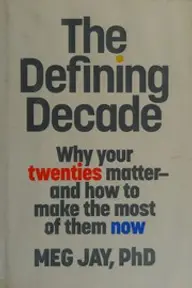
1. The Defining Decade
Meg Jay
Meg Jay delivers a direct argument that early adulthood is an active foundation. Drawing on clinical practice, she addresses work capital, relationship decisions, and brain development. The blunt tone can feel demanding to readers already experiencing acute burnout, making it less suitable if you need gentle reassurance.
Find it on Amazon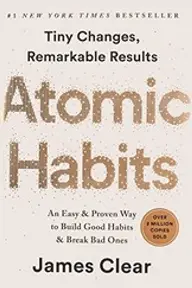
2. Atomic Habits
James Clear
James Clear breaks behavior change into concrete levers that fit busy, unpredictable schedules. The guidance focuses on cues, cravings, responses, and rewards to establish daily systems for work and physical health. Readers seeking philosophical career exploration should skip this title, because Clear concentrates strictly on tactical repetition and small daily compound improvements.
Find it on Amazon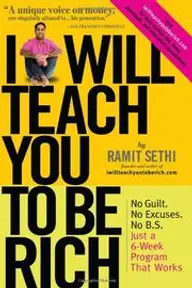
3. I Will Teach You to Be Rich
Ramit Sethi
Ramit Sethi offers a direct, automated personal finance framework designed for early paychecks. He outlines specific approaches to credit cards, banking, index funds, and conscious spending on items you value. Readers outside the United States must adapt several country-specific banking rules, but the psychological foundation regarding automated money management holds universal value.
Find it on AmazonFacing the Quarter-Life Question
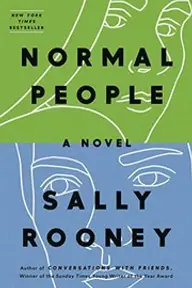
4. Normal People
Sally Rooney
Sally Rooney tracks the tangled relationship between Marianne and Connell as they move from secondary school into university life. The novel captures how social class, emotional misunderstandings, and family backgrounds complicate adult intimacy. Sensitive readers should note that the story depicts intense emotional distress, severe depression, and unhealthy relationship patterns.
Find it on Amazon
5. The Bell Jar
Sylvia Plath
Sylvia Plath chronicles an ambitious young woman’s summer internship in New York and her subsequent mental breakdown under oppressive social expectations. The prose captures perfectionism, alienation, and medical treatment with stark clarity. Skip this book if you are currently vulnerable to mental health crises, as the text contains detailed depictions of severe depression and suicide attempts.
Find it on Amazon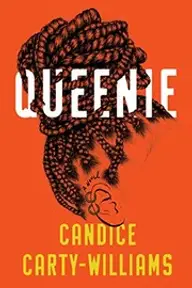
6. Queenie
Candice Carty-Williams
Candice Carty-Williams depicts a young British-Jamaican woman in London struggling with a messy breakup, workplace microaggressions, and destructive coping mechanisms. The voice is candid and sharp, capturing modern emotional drift. The story contains explicit sexual situations, emotional mistreatment, racism, and mental health struggles, which make it unsuited for readers wanting a light romantic comedy.
Find it on Amazon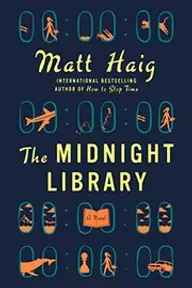
7. The Midnight Library
Matt Haig
Matt Haig follows a protagonist who gains access to a magical library between life and death where every book contains an alternate path she could have lived. The narrative examines how rumination over past decisions clouds appreciation of the present. Because the inciting event involves a suicide attempt followed by depression, readers sensitive to self-harm themes should exercise caution.
Find it on AmazonHeartbreak, Friendship, and Identity
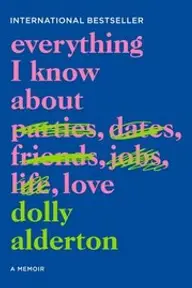
8. Everything I Know About Love
Dolly Alderton
Dolly Alderton recounts the chaotic trials of early adult life, flat shares, disastrous dates, and enduring female friendships. Her memoir treats friendships as the foundational romances that survive shifting partnerships. Readers seeking quiet literary reflection might find the party-heavy early chapters jarring, and the book includes depictions of disordered eating, heavy binge drinking, and sexual encounters.
Find it on Amazon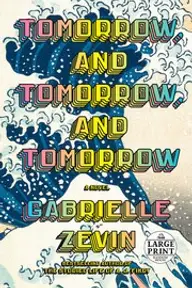
9. Tomorrow, and Tomorrow, and Tomorrow
Gabrielle Zevin
Gabrielle Zevin traces a long creative partnership between two game designers who meet in childhood and collaborate as adults. The story investigates work, shared artistic obsessions, and deep platonic devotion without relying on conventional romantic tropes. The narrative includes sudden gun violence, prolonged grief, and chronic pain, making it a heavy read despite its video game background.
Find it on Amazon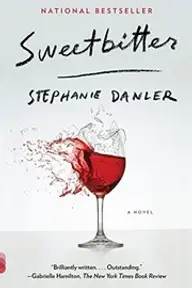
10. Sweetbitter
Stephanie Danler
Stephanie Danler follows a young woman arriving in New York without plans who takes a back waiter job at an upscale restaurant. The novel explores sensory education through wine, food, desire, and industry hierarchies. Because the plot features heavy drug use, alcohol dependence, and unhealthy relationship dynamics, it will not suit readers looking for wholesome career guidance.
Find it on Amazon
11. Tiny Beautiful Things
Cheryl Strayed
Cheryl Strayed collects candid advice columns that answer letters on grief, infidelity, family estrangement, and lost ambitions. Her responses offer grounded empathy without hollow platitudes. Readers looking for conventional essays or quick self-help exercises will find the format different, and the letters discuss sexual trauma, drug addiction, and family loss in frank terms.
Find it on AmazonTimeless Reflections on Purpose
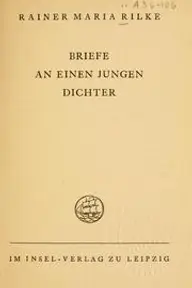
12. Letters to a Young Poet
Rainer Maria Rilke
Rainer Maria Rilke counsels a young military student on creative patience, inner solitude, and accepting uncertainty. The letters urge the reader to live with open questions and patient reflection. Readers who want rapid career advice or action checklists should look elsewhere, because Rilke advocates for slow interior contemplation and quiet observation.
Find it on Amazon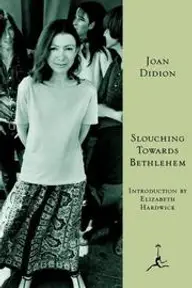
13. Slouching Towards Bethlehem
Joan Didion
Joan Didion observes California youth culture, social disintegration, and personal self-respect with sharp, detached journalism. Her essays demonstrate how clear observation cuts through generational confusion. The historical essays contain references to drug culture and social disillusionment, which may disorient readers who prefer contemporary settings or narrative fiction.
Find it on Amazon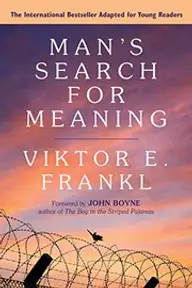
14. Man's Search for Meaning
Viktor E. Frankl
Viktor E. Frankl describes his survival in concentration camps and outlines logotherapy, his method of discovering purpose through responsibility and attitude. The text provides a sobering perspective on suffering and choice. The opening chapters detail severe Holocaust atrocities and physical deprivation, requiring emotional readiness before reading.
Find it on AmazonHow to Choose Books to Read in Your 20s by Current Challenge.
Your twenties present distinct hurdles in sequence, which means your reading should match the problem right in front of you. When your daily schedule feels chaotic and entry-level earnings seem to vanish, begin with the practical wisdom titles to gain control over habits and cash flow. If you find yourself paralyzed by comparison on social media or anxious about career choices, the quarter-life crisis novels offer reassurance that confusion is normal.
When personal relationships splinter due to moves or career demands, turn to the memoirs and novels centered on friendship and heartbreak. Dolly Alderton and Cheryl Strayed show how platonic bonds provide stability while romantic experiments fluctuate. When existential fatigue sets in and daily routines lose their shine, the timeless reflections group provides historical grounding that outlasts modern digital noise.
Choosing by category prevents reading fatigue because you consume what solves your current dilemma. For broader life transitions, you can explore Books to Read for Every Age and Moment to see how reading habits shift across different decades.
Balancing Fiction and Nonfiction for Greater Perspective.
Relying exclusively on productivity manuals creates a narrow view of success that ignores emotional complexity. Nonfiction titles like Atomic Habits provide tactical mechanisms for managing your time, but fiction builds your capacity to interpret difficult social dynamics and workplace relationships. Novels place you inside another person’s inner doubts, revealing that outer confidence often masks severe insecurity.
Balancing a structured personal finance book with an emotionally rich novel keeps your reading steady. When technical books begin to feel dry, switching to Sally Rooney or Gabrielle Zevin restores momentum while continuing to explore questions of ambition and identity. You can also explore Books Like Atomic Habits when you want further behavioral models without losing your pace.
What to Do When a Recommended Book Falls Flat.
Abandoning a book that fails to connect with your circumstances protects your reading habit. Pushing through an unhelpful book can stall your reading for weeks, turning an enriching habit into an exhausting chore. Give any recommended title a fair chance, and if the voice or theme does not offer value, put it aside without guilt.
Our pick changes if you already maintain automated investments or possess extensive career experience. Choose Joan Didion’s Slouching Towards Bethlehem instead of introductory tactical guides. Readers with specific relationship priorities can take our What Should I Read Quiz or examine Books Like Normal People for alternative character-driven explorations.
Readers wanting social reading experiences to discuss these themes can look into Book Club Books for titles that spark debate across varying viewpoints.
Reading Paths for Men and Women.
Different life pressures often call for specialized perspectives within this decade. Male readers dealing with professional identity or emotional isolation frequently discover clear frameworks through Books for Men, which explore discipline, vulnerability, and purpose. Titles like Viktor E. Frankl’s Man’s Search for Meaning balance practical ambition with the emotional resilience needed for long-term health.
Memoirs like Everything I Know About Love address workplace boundary setting, female community, and the friction between career acceleration and personal relationships. Readers enduring the sudden end of a long-term college relationship will find comfort in Books to Read After a Breakup, which address modern heartbreak with candid empathy.