Start with Endurance: Shackleton’s Incredible Voyage by Alfred Lansing if you want true survival under pressure, or pick Atomic Habits by James Clear if you want immediate control over your daily routine. At ReadNext, we check each title against the Open Library catalog. East of Eden by John Steinbeck gives you an expansive story about family duty and moral choice. Each book pairs a hard situation with a person working out how to act in it.
The fourteen titles divide into four distinct categories: identity and purpose, true events, literary fiction, and personal craft.
People who want light entertainment or breezy escapism should skip these titles. These titles ask for real concentration and cover heavy themes, including physical deprivation, family conflict, and grief. If you want a quick mystery or light fantasy, try our general recommendations at Books to Read for Every Age and Moment instead.
Books for Men to Read, Grouped by Subject
Identity, Fatherhood & Purpose
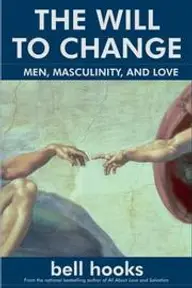
1. The Will to Change: Men, Masculinity, and Love
bell hooks
bell hooks examines how emotional isolation hurts men long before they realize it. She writes with direct sympathy while pressing readers to reclaim their feelings and rebuild connections with partners, children, and friends. You will find clear analysis of cultural pressures without clinical jargon. Skip this book if you dislike cultural critique or want a prescriptive daily routine.
Find it on Amazon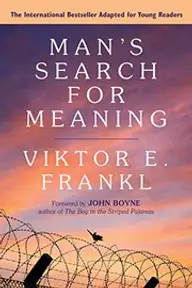
2. Man's Search for Meaning
Viktor E. Frankl
Viktor E. Frankl draws on his imprisonment in Nazi concentration camps to explain how purpose helps people endure extreme suffering. The first half describes camp life and severe deprivation with steady clarity. The second half outlines his logotherapy method. It suits anyone facing personal grief or searching for direction. Readers sensitive to historical accounts of starvation and cruelty should prepare for difficult passages.
Find it on Amazon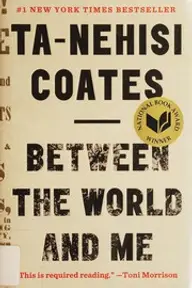
3. Between the World and Me
Ta-Nehisi Coates
Ta-Nehisi Coates frames this short volume as an extended letter to his teenage son. He discusses race, bodily vulnerability, and fatherhood in modern America through his personal memories and historical observation. The prose moves with urgency. Choose this book for an unsparing personal perspective on raising a son under difficult circumstances. It contains frank discussions of racial violence and grief.
Find it on Amazon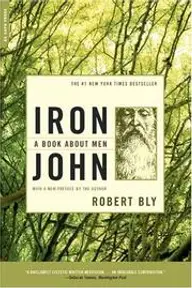
4. Iron John: A Book About Men
Robert Bly
Robert Bly uses a classic folk tale to examine male rites of passage and emotional maturity. He argues that modern men suffer because they lack elders to guide them into adulthood. The language relies heavily on myth and poetry. It fits readers who appreciate psychology and folklore. If you want straightforward modern advice instead of metaphorical stories, you will likely find the approach frustrating.
Find it on AmazonHigh Stakes & True Grit
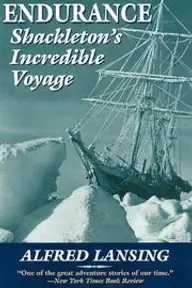
5. Endurance: Shackleton's Incredible Voyage
Alfred Lansing
Alfred Lansing reconstructs the survival of Ernest Shackleton and his crew after pack ice crushed their ship in Antarctica. Drawing directly on crew diaries, Lansing details how calm leadership and disciplined routine prevented panic across months of isolation. It offers a gripping study in managing fear under pressure. The account includes severe cold, frostbite, and the necessary shooting of sled dogs.
Find it on Amazon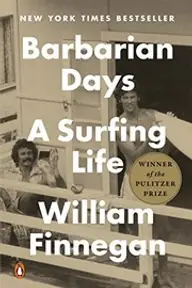
6. Barbarian Days: A Surfing Life
William Finnegan
William Finnegan chronicles his pursuit of ocean waves across several continents over decades. His memoir balances dangerous adventure with a thoughtful portrait of youth growing into family responsibility. The descriptions of ocean currents and remote coastlines are precise and vivid. You do not need to surf to appreciate the craft here. Some scenes include recreational drug use and hazardous sea conditions.
Find it on Amazon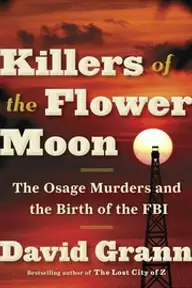
7. Killers of the Flower Moon
David Grann
David Grann uncovers the systematic murders of wealthy Osage citizens in Oklahoma and the early investigation led by the newly formed Federal Bureau of Investigation (FBI). The narrative reads like a detective thriller supported by thorough archival research. It exposes corruption, greed, and institutional complicity. Be aware that the text describes real-world homicides, poisonings, and racial terror in direct historical detail.
Find it on Amazon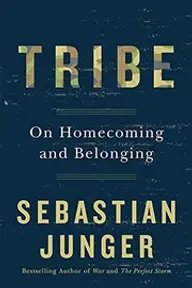
8. Tribe: On Homecoming and Belonging
Sebastian Junger
Sebastian Junger investigates why soldiers and disaster survivors often miss the intense solidarity of crises once they return home. He explains how modern comfort can increase loneliness and why shared struggle forms lasting bonds among men. The book is short and provocative. It serves anyone transitioning out of tight-knit groups or military service. It includes brief discussions of combat trauma and mental strain.
Find it on AmazonLiterary Fiction
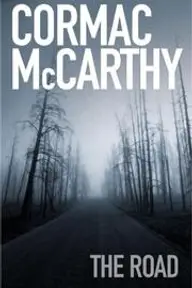
9. The Road
Cormac McCarthy
Cormac McCarthy depicts an unnamed father and son walking through a cold, ash-covered American setting after an unspecified catastrophe. The father focuses entirely on keeping his son alive and preserving their moral decency. The dialogue is sparse, rhythmic, and haunting. It stands as an intense examination of paternal love. The setting contains grim scenes of starvation, cruelty, and human brutality that sensitive readers may dislike.
Find it on Amazon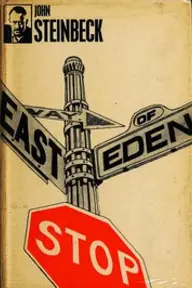
10. East of Eden
John Steinbeck
John Steinbeck follows three generations of the Trask family alongside the Hamiltons in northern California. He explores free will, paternal approval, and the rivalry between brothers through a large cast of memorable characters. The novel is expansive, patient, and morally rich. Readers who want quick action should look elsewhere, as the story unfolds over decades. It includes scenes of domestic violence and suicide.
Find it on Amazon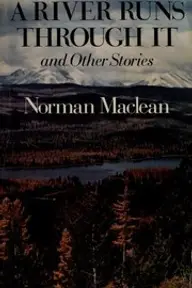
11. A River Runs Through It and Other Stories
Norman Maclean
Norman Maclean writes about two brothers in western Montana who bond over fly fishing while struggling to bridge emotional differences. The novella deals with family loyalty, craftsmanship, and the pain of watching a sibling make destructive choices. Maclean balances outdoor detail with spare family drama. The narrative includes barroom fights, heavy drinking, and a tragic off-page death.
Find it on Amazon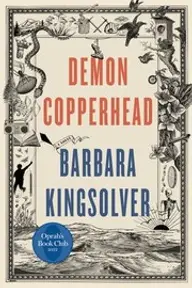
12. Demon Copperhead
Barbara Kingsolver
Barbara Kingsolver sets this modern retelling of a classic Victorian novel in the mountains of southwest Virginia. The young narrator survives foster care, athletic injuries, opioid addiction, and institutional poverty with a sharp voice and dark humor. It is a long, immersive story that tackles modern social crises head-on. The plot includes explicit depictions of substance abuse, overdose, and adolescent grief.
Find it on AmazonPsychology, Habits & Craft
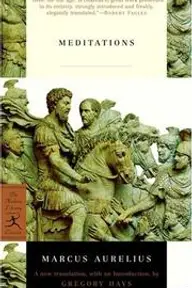
13. Meditations
Marcus Aurelius
Marcus Aurelius recorded these private reflections while commanding armies and governing Rome. He reminds himself to focus only on his own actions, control his reactions, and accept mortality without complaint. The notebook format means you can read a few entries at a time. It remains a foundational guide to mental resilience under pressure. The prose is reflective instead of narrative.
Find it on Amazon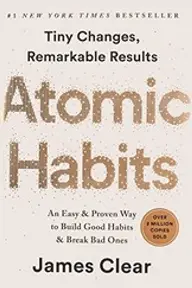
14. Atomic Habits
James Clear
James Clear explains how minor daily adjustments accumulate into major shifts in health, work, and focus. He breaks habit formation into four practical steps: cue, craving, response, and reward. The text emphasizes changing your environment instead of relying on raw willpower. It delivers immediate, actionable advice. Readers looking for personal reflection or philosophical depth will prefer our other nonfiction picks.
Find it on AmazonHow to Choose Your Next Book by Current Need
Select your next book based on the specific challenge you face right now. If your daily schedule feels chaotic, practical guides give you immediate systems to organize your work. When you feel isolated or uncertain about your direction, memoirs and reflective essays help you evaluate your responsibilities with greater perspective.
Fiction serves a completely different function than self-improvement manuals. A novel like East of Eden or Demon Copperhead requires sustained attention and lets you observe how people handle failure over an entire lifetime. If you read only productivity manuals, you miss the deeper understanding of character that good fiction provides.
Consider how much continuous reading time you have. Long historical epics demand open evenings, while short essays or journal entries fit neatly into brief breaks during a busy workday.
- Pick James Clear or Marcus Aurelius when you need immediate discipline and mental focus.
- Pick Alfred Lansing or David Grann when you want a fast, true story with high physical stakes.
- Pick Cormac McCarthy or Norman Maclean when you want spare prose about fatherhood and family loyalty.
Balancing Practical Guides with Great Fiction
If most of your reading is business titles and biographies, add a novel to the rotation. Many adult readers fall into the trap of measuring books solely by utility. They seek immediate tips and ignore stories, assuming that narrative reading is only leisure.
Great fiction trains you to recognize motives, track long-term consequences, and grasp perspectives outside your own background. Reading The Road will teach you more about protective paternal instinct than any parenting handbook. The emotional weight stays with you because the situation feels earned on every page.
Alternate between narrative and instructional books to keep your momentum steady. Read a demanding work of history or philosophy, then follow it with a compelling novel before starting your next technical project.
What to Do When a Pick Stalls
Set aside any book that fails to engage you after several chapters. Forcing yourself through a slow title often leads to stopping reading entirely for months.
Switch formats before abandoning a subject completely. Historical accounts and memoirs like Barbarian Days work exceptionally well in audio, where spoken pacing brings ocean scenes and foreign travel to life. Conversely, dense philosophy like Meditations requires a printed page where you can pause, underline, and reread.
Keep two titles on your nightstand with different tones. When your brain is too tired for analytical work, pick up the narrative instead of looking at a phone screen.
Where to Expand Your Reading Next
Build outward from the topics that held your attention longest. If the historical survival in Endurance resonated, explore our broader directory of Nonfiction for Beginners for narrative history and science. If you found Clear’s framework practical, browse our curated list of Books Like Atomic Habits for related systems on focus and productivity.
Readers looking at life transitions or building long-term habits in early adulthood can consult our guide to Books to Read in Your 20s. For timeless literary fiction and foundational philosophy that rewards repeated visits, explore our recommendations for Books to Read Before You Die.
Our answer would flip if you told us you needed an immediate distraction from heavy work stress. In that situation, we would pull back on dark historical events and tragic novels, recommending light narrative nonfiction or plot-driven thrillers instead. If you want personalized suggestions based on your exact mood and taste, take our interactive What Should I Read Quiz to find your next title.