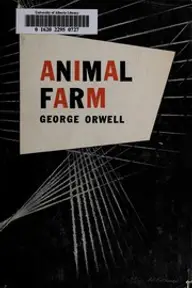
Richard Adams’s Watership Down, Arthur Koestler’s Darkness at Noon, and George Orwell’s Nineteen Eighty-Four are the strongest matches if you want books like Animal Farm. At ReadNext, we check each title against Open Library’s catalog. Adams uses an animal community to reveal the brutality of authoritarian governance. Koestler dissects the psychological reality of revolutionary purges. Nineteen Eighty-Four takes Orwell’s distrust of state power into total surveillance and rewritten history.
Animal Farm is a political satire told as a beast fable, so its closest matches are other fables and dystopias.
These picks suit readers moving past classroom assignments as well as seasoned readers hunting for sharp political fiction.
Books Like Animal Farm, Grouped by Theme
Beast fables with political bite
1. Watership Down
Richard Adams
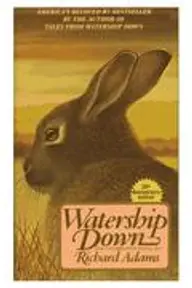
Richard Adams builds a detailed rabbit society forced to flee its warren, meeting rival warrens including one run by a militaristic tyrant. Like Animal Farm, it uses an animal community to study human social structures and state violence. The scope feels much broader than Orwell’s brief farmstead, reading as an epic survival quest. The book contains mild animal violence and peril that might upset very sensitive younger readers.
Find it on Amazon2. War with the Newts
Karel Čapek
Karel Čapek presents an allegorical satire in which humans discover an intelligent species of newts and exploit them for cheap coastal labor. The amphibians gradually learn human commerce, politics, and military tactics until they demand living space on their own terms. It shares Orwell’s biting humor and skepticism of corporate greed and nationalist hubris. Readers who dislike mock-journalistic documents and shifting viewpoints should pass.
Find it on Amazon3. The Book of the Dun Cow
Walter Wangerin Jr.
Walter Wangerin Jr. crafts a beast fable centered on Chauntecleer the rooster, who leads a peaceful barnyard community tasked with keeping an ancient evil imprisoned beneath the earth. It matches Animal Farm’s agricultural setting and its examination of how community leaders handle encroaching disaster. The story leans more mythic and spiritual than Orwell’s political satire. It includes stylized animal warfare and dark thematic moments.
Find it on AmazonRevolutions betrayed and tyrannical regimes
4. Nineteen Eighty-Four
George Orwell
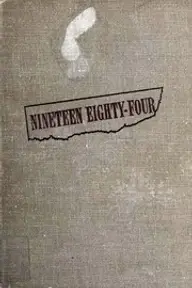
George Orwell’s other celebrated novel takes the themes of Animal Farm and projects them onto a bleak human society trapped under total surveillance. The slogans and historical falsifications of Big Brother directly mirror the changing commandments on the barn wall. The tone is far more oppressive and despairing than the fable format of the farm. Skip this if you cannot stomach scenes of psychological interrogation and physical torture.
Find it on Amazon5. Darkness at Noon
Arthur Koestler
Arthur Koestler dramatizes the internal mechanics of state purges through Rubashov, an aging Bolshevik-style revolutionary imprisoned by the very party he helped install. If the betrayal of Snowball and the show trials on the farm disturbed you, this novel examines that ideological tragedy at ground level. It is a slow, cerebral drama composed almost entirely of prison cell recollections and brutal interrogations.
Find it on Amazon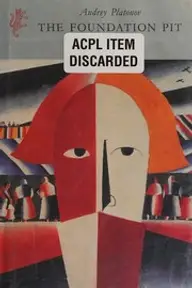
6. The Foundation Pit
Andrei Platonov
Andrei Platonov captures the grim absurdity of early Soviet collectivization through workers digging a massive foundation for a communal building that never gets built. It reflects the exhausting physical labor of Boxer and the broken promises of the windmill project. The prose uses disjointed, bureaucratic surrealism that feels disorienting by design. Readers who prefer clear, conventional narrative structures will find it difficult to finish.
Find it on Amazon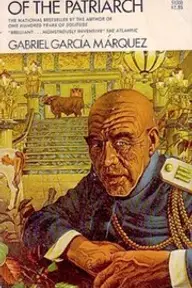
7. The Autumn of the Patriarch
Gabriel García Márquez
Gabriel García Márquez traces the decaying rule of an eternal Caribbean despot who holds total authority while rotting inside his palace. It pushes the despotic isolation of Napoleon the pig to grotesque, mythic extremes. The novel uses dense, sprawling sentences that stretch for pages without paragraph breaks. Readers wanting tight plotting and straightforward political arguments should look elsewhere.
Find it on Amazon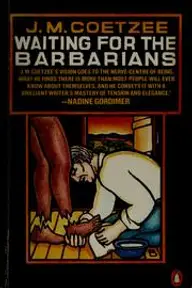
8. Waiting for the Barbarians
J.M. Coetzee
J.M. Coetzee depicts a magistrate presiding over an outpost on the frontier of an unnamed empire as special security forces arrive to invent a war. Like Animal Farm, it exposes how autocratic powers create phantom enemies to keep their subjects obedient and terrified. The setting is spare, parched, and allegorical. It features distressing scenes of state-sanctioned torture and public degradation.
Find it on AmazonClassic dystopias and allegories of control
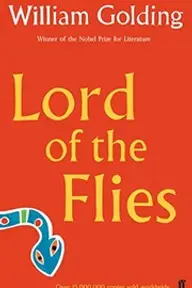
9. Lord of the Flies
William Golding
William Golding strands a group of schoolboys on an uninhabited island, tracing how quickly civilized norms surrender to superstitious terror and brutal hierarchy. It mirrors Animal Farm’s trajectory from an optimistic new order to violent despotism. Golding views human nature as inherently fragile instead of corrupted purely by political systems. The book includes blunt physical violence and character deaths among youth.
Find it on Amazon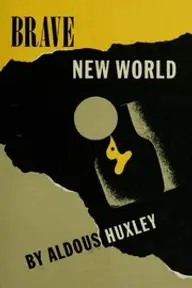
10. Brave New World
Aldous Huxley
Aldous Huxley imagines a state that maintains absolute social stability through biological conditioning, mandatory pleasure, and psychological sedation instead of violent purges. While Orwell focuses on terror and physical deprivation, Huxley presents control achieved through engineered satisfaction. It complements Animal Farm by illustrating the opposite method of silencing public dissent. The story deals with frank sexual themes, drug dependence, and suicide.
Find it on Amazon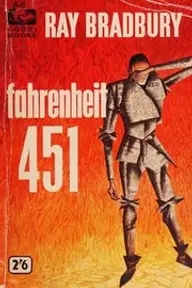
11. Fahrenheit 451
Ray Bradbury
Ray Bradbury tracks a fireman tasked with burning outlawed books in a culture that traded critical thought for loud, instant entertainment. Like Squealer revising the farm history, Bradbury’s regime erases the past to prevent citizens from questioning their present misery. The writing style is lyrical, poetic, and emotional compared to Orwell’s plain reporting tone. Those seeking a realistic political timeline may find the worldbuilding slight.
Find it on Amazon
12. Candide
Voltaire
Voltaire sends a naive traveler around the globe to test the philosophy that all events happen for the absolute best, meeting war, religious tyranny, and disaster instead. It shares Orwell’s sharp satirical wit and his hatred of ideological blinders. The pacing is rapid and episodic, treating horrific global events with biting comic detachment. Note that the book includes comic, stylized violence and depictions of sexual assault.
Find it on AmazonThe Mechanics Behind the Satire
Animal Farm succeeds because it operates on two levels at once. On the surface, the story reads with the clarity of a nursery tale. Beneath that surface sits a detailed breakdown of political betrayal, tracing how revolutionary hopes curdle into authoritarian control. Several distinct narrative devices drive this dynamic.
Understanding these mechanics helps explain why readers connect with the book and which follow-up titles will deliver the same intellectual satisfaction.
- Language as an instrument of control: Squealer rewrites the past by altering slogans on the barn wall, showing how authoritarian regimes manipulate facts to confuse the public.
- The steady creep of tyranny: Privilege arrives incrementally, starting with stolen milk and windfalls before expanding into beds, alcohol, and human clothing.
- The betrayal of true believers: Loyal laborers like Boxer commit their strength to the collective good, only to be discarded the moment their utility expires.
How to Pick by What You Liked Most
Readers who loved the barnyard framing should start with Watership Down or The Book of the Dun Cow. These books preserve the animal perspective while tackling high stakes, state violence, and the burden of communal leadership. Karel Čapek’s War with the Newts offers a similarly inventive premise, turning exploited sea creatures into an allegory for global labor exploitation.
If you were captivated by the political mechanics and the betrayal of revolutionary ideals, select Darkness at Noon or Books Like 1984. These stories drop the animal fable to examine the psychological toll of ideological conformity and show trials. Andrei Platonov’s The Foundation Pit provides another harrowing look at the human cost of forced collective projects.
For systemic allegories, read Lord of the Flies or Fahrenheit 451 (more in Books Like Fahrenheit 451). Both titles show how communities abandon reason when fear, propaganda, and enforced groupthink take hold.
Who Should Look Elsewhere
Readers seeking lighthearted comfort, triumphant escapism, or cozy animal adventures should skip this entire shelf. These novels examine totalitarian power, bureaucratic violence, and the collapse of noble ideals. Happy resolutions are rare, and many characters meet cruel fates at the hands of their own leaders.
If you want fast-paced, high-stakes speculative action with romantic subplots or empowering heroic victories, try the What should I read quiz to discover titles with lighter tones.
Where to Go After You Finish These
A rewarding reading path pairs Orwell’s two masterpieces back to back. Moving from Animal Farm directly into Nineteen Eighty-Four shows the author tackling the same fundamental problem through two radically different literary forms. The first functions as an ironic fable, while the second delivers an immersive psychological nightmare.
Once you finish Orwell’s core novels, branch out to Arthur Koestler and Aldous Huxley to compare how mid-century European writers diagnosed the threats facing democratic freedom. Our pick changes if you want a direct examination of Soviet purges instead of an animal fable: read Darkness at Noon. For a broader catalog of read-alikes across multiple genres, explore our central hub for Books Like the One You Just Finished.