The two closest books like The Great Gatsby are Tender Is the Night by F. Scott Fitzgerald and Passing by Nella Larsen. At ReadNext, we match each title based on the detached observer narrator, the obsession with wealth, and the tragedy of longing for a manufactured past. Both capture the fragile glamour and social competition of the 1920s while following strivers undone by reinvention.
The twelve titles fall into three reading paths: Jazz Age decadence, outside observers entering closed elite circles, and the dark illusions of the American Dream. Every pick suits adult readers who love elegant prose and sharp social criticism.
Books Similar to The Great Gatsby, Grouped by Theme
Jazz Age Decadence and Social Climbing
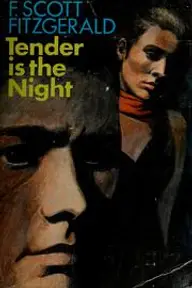
1. Tender Is the Night
F. Scott Fitzgerald
Fitzgerald’s follow-up novel returns to wealthy expatriates drifting across the French Riviera. You get the same golden prose and aching romantic disillusionment that define Jay Gatsby, but with a slower unraveling of a marriage between a psychiatrist and his wealthy wife. Readers who want the exact lyrical rhythm of Gatsby will love it. Skip it if you need a tight, fast-moving plot.
Find it on Amazon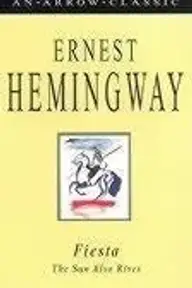
2. The Sun Also Rises
Ernest Hemingway
Hemingway captures the aimless, drinks-soaked malaise of the Lost Generation in post-war Paris and Spain. Jake Barnes shares Nick Carraway’s quiet, observing stance, watching glamorous friends mask deep trauma behind champagne, bullfights, and cynical banter. Pick it if you were captivated by the post-war weariness beneath the parties in West Egg. Readers who want lush, ornate sentences should skip this spare dialogue.
Find it on Amazon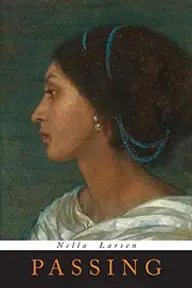
3. Passing
Nella Larsen
Set during the Harlem Renaissance, Larsen’s novel focuses on Clare Kendry and Irene Redfield, two Black women whose rekindled friendship exposes the extreme dangers of social climbing and reinvention. Clare’s gamble to construct a wealthy white life mirrors Gatsby’s hidden past and tragic ambition. Pick it if you want a sharp study of class performance, jealousy, and social friction. Skip it if you dislike open-ended psychological suspense.
Find it on Amazon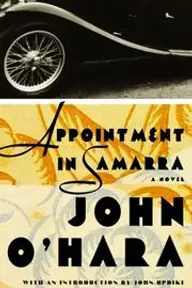
4. Appointment in Samarra
John O'Hara
Julian English is a privileged member of the country club set in 1930 Pennsylvania whose social standing collapses over three self-destructive days. O’Hara examines country-club snobbery, alcohol abuse, and class hierarchy with surgical precision. It matches the reckless party atmosphere and social anxiety of East Egg. Readers who want a sympathetic hero will struggle with Julian, whose pride and impulsive mistakes drive his rapid social fall.
Find it on Amazon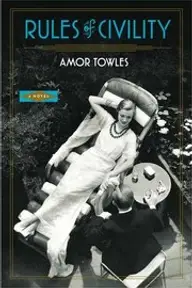
5. Rules of Civility
Amor Towles
Katey Kontent climbs from a Brooklyn boarding house into upper-crust 1930s Manhattan after a chance meeting in a Greenwich Village jazz club. Towles delivers witty, elegant dialogue and sparkling social circles that hide quiet compromises. It matches the romantic glamour of Gatsby while giving readers a sharper, more resilient protagonist. Skip this novel if you want tragic finality instead of an affectionate period portrait.
Find it on AmazonFascinated Outsiders Watching Tragic Elites
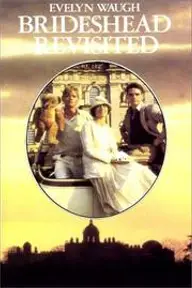
6. Brideshead Revisited
Evelyn Waugh
Charles Ryder is a middle-class Oxford student pulled into the aristocratic, wealthy world of the Marchmain family. Waugh creates the same golden, nostalgic glow and moral decay that Nick Carraway describes at Gatsby’s estate. The novel explores class privilege, romantic longing, and family expectations. Readers who loved the observer perspective in Gatsby will find Charles a familiar guide. Skip it if long debates about personal faith bore you.
Find it on Amazon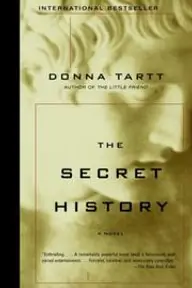
7. The Secret History
Donna Tartt
Richard Papen is an outsider from California who arrives at an elite Vermont college and becomes obsessed with a closed circle of wealthy classics students. Tartt captures the seductive pull of beauty, wealth, and moral detachment before their secrets tear them apart. If this pick lands, our list of Books Like The Secret History goes further. Skip it if you want a concise, fast-moving 1920s period piece.
Find it on Amazon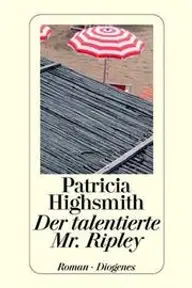
8. The Talented Mr. Ripley
Patricia Highsmith
Tom Ripley is an insecure striver sent to Italy to coax home a wealthy playboy, only to become obsessed with his friend’s gilded lifestyle. Highsmith turns Gatsby’s theme of self-reinvention into a chilling, suspenseful psychological thriller. Tom takes Gatsby’s desire to rewrite his origins to a violent, criminal conclusion. Readers who want a cozy mystery should skip this dark examination of identity theft and murder.
Find it on Amazon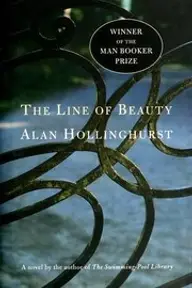
9. The Line of Beauty
Alan Hollinghurst
Nick Guest is an Oxford graduate who moves into the lavish London mansion of a wealthy politician during the 1980s. Like Nick Carraway, Nick Guest is an aesthetic observer seduced by upper-class luxury, wild parties, and political influence before the facade crumbles. The book contains explicit sex and frank depictions of substance abuse. Skip it if you prefer innocent narrators or dislike prolonged discussions of architecture and art.
Find it on Amazon
10. A Sport and a Pastime
James Salter
A nameless, detached narrator spends a season in provincial France obsessively imagining the sensual, doomed affair between a charismatic college dropout and a young French woman. Salter uses spare, luminous prose to turn voyeurism into art, echoing Nick’s fascination with Gatsby and Daisy. The novel features explicit sexual encounters and erotic daydreaming. Readers who want action, extensive dialogue, or traditional moral justice should look elsewhere.
Find it on AmazonThe Dark Illusions of the American Dream
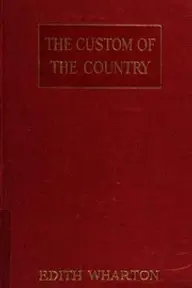
11. The Custom of the Country
Edith Wharton
Undine Spragg is an ambitious Midwesterner determined to conquer New York society through strategic marriages and reckless spending. Wharton dismantles the myth of social mobility, showing the cold transactional nature of high society with humor and bite. Undine is what Gatsby might look like without romantic longing: purely mercenary and endlessly hungry. Skip it if you need a protagonist with a conscience or tender regret.
Find it on Amazon
12. Netherland
Joseph O'Neill
Hans van den Broek is a Dutch equities analyst adrift in post-9/11 New York who falls into the orbit of Chuck Ramkissoon, a charismatic Trinidadian immigrant dreaming of building a cricket stadium. Chuck embodies Jay Gatsby’s optimism, shady dealings, and grand self-invention in a fractured modern city. O’Neill writes gorgeous, reflective sentences about immigration and belonging. Skip it if you want rapid action instead of a slow, melancholy atmosphere.
Find it on AmazonThe Literary Elements That Define The Great Gatsby
F. Scott Fitzgerald built The Great Gatsby around three distinct narrative choices that continue to shape modern fiction. He filtered the entire drama through Nick Carraway, an observer who is simultaneously enchanted and repelled by the wealthy world around him. Nick gives readers intimate access to Jay Gatsby’s parties while maintaining a moral reserve that exposes the ugliness beneath the champagne glasses.
The novel treats self-reinvention as both a creative achievement and a fatal trap. Gatsby buys his estate, invents his background, and stages extravagant galas solely to recapture Daisy Buchanan, proving that material success cannot purchase emotional reality. Fitzgerald also treats 1920s New York as an empire of glittering surfaces resting on fraud, bootlegging, and careless cruelty. When you finish Gatsby, you are usually chasing that specific balance of lyrical beauty and emotional devastation.
How to Pick Your Next Novel Based on What You Loved
Match your choice to the specific quality that stayed with you after the final green light faded. If you want the authentic historical atmosphere of the 1920s, start with Tender Is the Night or The Sun Also Rises, both written by authors who lived inside that restless post-war expatriate world. If the tension of living a double life pulled you in, pick Passing or The Talented Mr. Ripley for their sharp examinations of constructed identities.
Readers drawn to the intoxicating seduction of wealth should select Brideshead Revisited or The Secret History, which explore insular aristocratic societies through the eyes of mesmerized outsiders. If you prefer unsparing satirical attacks on high-society materialism, The Custom of the Country offers a merciless portrait of predatory social ambition.
Reader Considerations and Content Notes
While The Great Gatsby is a staple of high school English classes, several recommended titles feature content that skews firmly toward adult readers. The Line of Beauty and A Sport and a Pastime contain explicit sex, and The Line of Beauty also depicts drug use that does not suit younger readers.
These recommendations are not for readers seeking light escapist romance, cozy mysteries, or triumphant stories of self-made billionaires. Every novel here treats wealth and social mobility with suspicion, ending in alienation or tragedy. If you prefer high-stakes genre adventures with clear moral victories, explore Books Like The Hunger Games or Books Like Fourth Wing instead.
Where to Turn After Finishing These Novels
Once you read through these twelve titles, your next step depends on whether you crave historical immersion or contemporary social commentary. Our pick changes if your goal is an uplifting story of personal reinvention. In that case, Rules of Civility serves as the lighter pick.
To discover more titles matched to your current reading mood, try our What should I read quiz to narrow down your preferences by pacing, tone, and setting. If you want to explore other classic works grouped by reading mood, browse our index of Books Like the One You Just Finished to keep your momentum going.