The Smartest Guys in the Room and Billion Dollar Whale are the closest to Bad Blood. At ReadNext, we match nonfiction on what made the original work. Each tells the story of one large fraud, and its authors reported it for Fortune and The Wall Street Journal. Carreyrou’s own reporting on Theranos began at the Journal in late 2015.
The selection is not for readers who want fiction, because all seven books are written for adults. Our recommendation would change if you want the startup setting more than the fraud, in which case Super Pumped or Going Infinite serves as the entry point.
Nonfiction Accounts to Read After Bad Blood
Startup Founders and Tech Companies
1. Super Pumped: The Battle for Uber
Mike Isaac
Mike Isaac covers Uber from its start as UberCab in 2009 through its 2019 initial public offering. Like Carreyrou’s Theranos reporting, it grew out of the author’s own newspaper coverage of Uber.
Find it on Amazon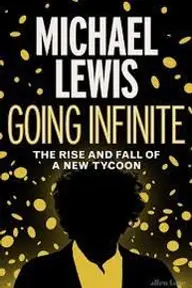
2. Going Infinite: The Rise and Fall of a New Tycoon
Michael Lewis
Michael Lewis tells the story of Sam Bankman-Fried’s rise and collapse after meeting him in 2021. Like Bad Blood, it follows the founder of a tech company that ended in fraud charges. Prosecutors say Bankman-Fried embezzled $8 billion, a figure the book disputes, and he was convicted on all seven counts on November 2, 2023.
Find it on AmazonCorporate and Financial Fraud
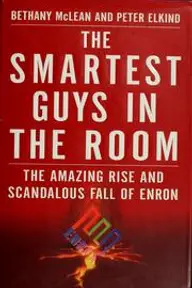
3. The Smartest Guys in the Room: The Amazing Rise and Scandalous Fall of Enron
Bethany McLean and Peter Elkind
Bethany McLean and Peter Elkind reconstruct the 2001 downfall of Enron. McLean questioned Enron’s accounting irregularities in 2000, while Enron still enjoyed broad public acclaim, much as Carreyrou questioned Theranos. The book reads at the pace of a thriller and traces how Enron’s deception was built.
Find it on Amazon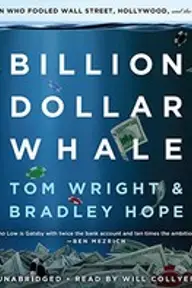
4. Billion Dollar Whale: The Man Who Fooled Wall Street, Hollywood, and the World
Tom Wright and Bradley Hope
Tom Wright and Bradley Hope trace how Malaysian financier Jho Low allegedly masterminded the US$4.5 billion 1MDB fraud. Both authors were Wall Street Journal correspondents, as Carreyrou was.
Find it on Amazon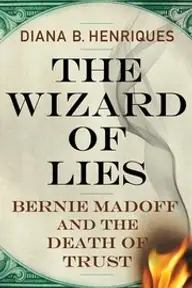
5. The Wizard of Lies: Bernie Madoff and the Death of Trust
Diana B. Henriques
Diana B. Henriques tells the story of Bernie Madoff’s deception and the regulatory failure that let it run. Like Bad Blood, it tells the story of one large fraud. The book was published in 2011 and was the basis for a 2017 film.
Find it on AmazonReporters on the Trail
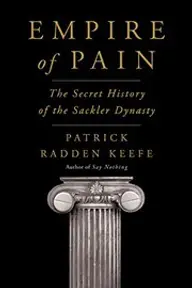
6. Empire of Pain: The Secret History of the Sackler Dynasty
Patrick Radden Keefe
Patrick Radden Keefe expands his 2017 magazine investigation into a book about the Sackler family and the opioid epidemic. Like Bad Blood, it grew out of earlier published reporting. The book contains discussions of substance abuse, fatal opioid overdoses, and suicide.
Find it on Amazon
7. Catch and Kill: Lies, Spies, and a Conspiracy to Protect Predators
Ronan Farrow
Ronan Farrow documents his efforts to cover Harvey Weinstein’s alleged abuses despite corporate surveillance and intimidation. Like Bad Blood, it is a reporter’s own account of an investigation. The book contains detailed accounts of sexual assault and harassment, so sensitive readers may want to skip it.
Find it on AmazonWhat Made Bad Blood Work
Bad Blood drew praise for its investigative reporting, with Bill Gates calling the book “a thriller with a tragic ending.” John Carreyrou began reporting on Theranos in late 2015 after questioning whether Theranos could run complex laboratory tests from tiny finger-prick blood samples. As reported by Variety, Elizabeth Holmes founded Theranos as a blood-testing startup once valued at $9 billion before it dissolved in 2018.
Where Each Book’s Reporting Came From
Reporter-written books are closest in method to Bad Blood. We look at how each investigation began. Kevin Nguyen in GQ described the reporting for Bad Blood as exhaustive, including interviews with more than 150 people. Tom Wright and Bradley Hope, both Wall Street Journal correspondents, were 2016 Pulitzer Prize finalists for their reporting. Mike Isaac, a journalist for The New York Times, wrote Super Pumped from his coverage of Uber for the Times.
Bethany McLean and Peter Elkind, both Fortune reporters, wrote The Smartest Guys in the Room. McLean questioned irregularities in Enron’s financial statements in 2000, while Enron was still publicly admired. Patrick Radden Keefe wrote Empire of Pain after his October 23, 2017 New Yorker article, “The Family That Built an Empire of Pain.” Ronan Farrow says Catch and Kill was exhaustively vetted by Sean Lavery, a senior fact checker at The New Yorker.
How to Choose Your Next Book
Pick by what held your attention in Bad Blood. If you want another account of financial fraud, start with The Smartest Guys in the Room or Billion Dollar Whale. They cover the Enron collapse and a multibillion-dollar swindle.
If you want startup founders, choose Super Pumped or Going Infinite. Super Pumped covers reckless startup culture, while Going Infinite focuses on an eccentric tech founder.
If you liked the reporting, read Empire of Pain or Catch and Kill. Keefe follows the Sackler family and the opioid epidemic, while Farrow covers the Harvey Weinstein investigation.
Which Books Are Too Mature for Younger Readers
Every title here is written for adults, but two need extra care. Empire of Pain includes frank discussions of fatal overdoses, substance abuse, and suicide.
Catch and Kill centers on Ronan Farrow’s investigation into Harvey Weinstein and features detailed accounts of sexual harassment and assault. For a younger reader, leave out those two and preview the rest first.
What to Read After These
For other nonfiction that reads like a story, see best nonfiction books. If you are new to long-form journalism, start with non fiction books to read. For other titles, browse Books Like the One You Just Finished.
If you cannot choose between the fraud books and the reporting books, take our What should I read quiz. Pick up The Smartest Guys in the Room as your next book.