The closest books to read after Jane Austen’s classic are Persuasion and North and South. At ReadNext, we check each candidate book against Open Library’s catalog to verify editions and authorship. Persuasion gives you Austen’s sharpest social observations paired with quiet romantic longing, while Elizabeth Gaskell’s North and South delivers the stubborn clash of wills between pride and prejudice on a wider social canvas.
The twelve titles below fall into three distinct groups: comedies of manners set in high society, romantic clashes between stubborn equals, and warm stories driven by sharp banter and lively families. These picks suit adult readers who want dry wit, clever heroines, and tension that builds through conversation instead of physical action.
Books Like Pride and Prejudice, Grouped by Style
Sharp-Witted Classic Comedies of Manners
1. Persuasion
Jane Austen
Anne Elliot broke her engagement years ago on well-meaning advice and now watches her former suitor return wealthy and eligible. Austen pairs social satire directed at vain relatives with slow-burning emotional suspense. Readers who prize the layered irony of Pride and Prejudice will find the writing here even sharper. Readers looking for an outspoken heroine like Elizabeth Bennet should prepare for a quieter protagonist who observes more than she speaks.
Find it on Amazon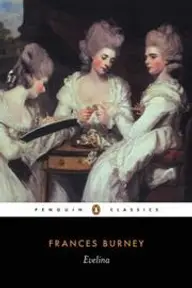
2. Evelina
Frances Burney
A sheltered young woman enters fashionable London society and chronicles its blunders, pushy suitors, and vulgar relations in letters. Frances Burney provided the model Austen studied, using an observant heroine to ridicule social pretension. The humor is broader and the pacing less disciplined than Austen, but anyone curious about the direct literary ancestor of Elizabeth Bennet will appreciate the comedy.
Find it on Amazon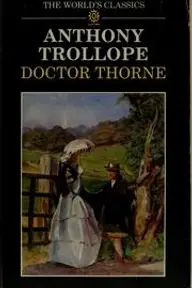
3. Doctor Thorne
Anthony Trollope
A proud heir loves a woman of unknown parentage while his aristocratic family demands he marry money to save the estate. Anthony Trollope satirizes country gentry snobbery with good nature and detailed social mechanics. The central romance hinges on property, family standing, and personal honor. If you want concentrated focus on two lovers, note that Trollope gives generous space to local politics and secondary squabbles.
Find it on Amazon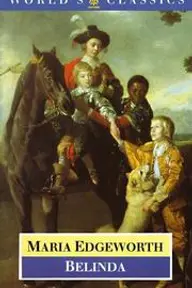
4. Belinda
Maria Edgeworth
Belinda Portman stays with a fashionable London hostess to find a suitable husband, only to uncover the compromises and scandals beneath polite society. Maria Edgeworth writes with acute moral perception and sparkling drawing-room dialogue that directly influenced early Regency fiction. The moral framing is more overt than Austen’s subtle touch, making this best suited for readers who enjoy period social critique.
Find it on Amazon
5. The Making of a Marchioness
Frances Hodgson Burnett
Emily Fox-Seton is a well-born, impoverished gentlewoman who runs errands for wealthy acquaintances before catching the eye of a wealthy widower. Frances Hodgson Burnett delivers a dry, biting look at high-society marriage markets and the daily indignities of dependent relatives. Readers who found Charlotte Lucas’s practical choices compelling will appreciate Emily’s sensible survival instincts in an unforgiving aristocratic world.
Find it on AmazonStubborn Rivals and Clash of Pride
6. North and South
Elizabeth Gaskell
Southern-bred Margaret Hale moves to an industrial northern mill town and immediately clashes with mill owner John Thornton. Their friction mirrors Elizabeth and Darcy: mutual class judgment, hasty misinterpretations, and deep personal integrity that resists compromise. Elizabeth Gaskell expands the personal drama into union strikes and economic transformation, giving the romantic battle of wills serious weight.
Find it on Amazon
7. Sylvester, or the Wicked Uncle
Georgette Heyer
Phoebe Marlow writes an anonymous Gothic novel that caricatures Sylvester, the arrogant Duke of Salford, as its villain, only to face him in polite ballrooms. Georgette Heyer captures Regency slang, high-society gossip, and stubborn romantic sparring with precision. Readers wanting the delicious mortification of Darcy’s bad first impression will enjoy seeing two proud figures forced to reconsider their assumptions.
Find it on Amazon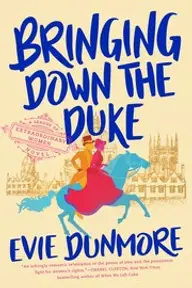
8. Bringing Down the Duke
Evie Dunmore
An impoverished vicar’s daughter attends Oxford on a suffragist scholarship and clashes with a stern, duty-bound duke who opposes her movement. Evie Dunmore matches Darcy’s rigid concept of family responsibility against a sharp, independent heroine. Be aware that unlike traditional classic novels, this Victorian historical romance includes explicit romantic scenes.
Find it on Amazon
9. A Room with a View
E. M. Forster
Lucy Honeychurch struggles between socially acceptable marriage to an insufferable snob and her genuine feelings for an unconventional young man. E. M. Forster skewers English middle-class conventions with sparkling irony and social embarrassment. The romance hinges on breaking through polite pretenses to reach sincere personal feeling, echoing Elizabeth Bennet’s growth past initial social expectations.
Find it on AmazonCharming Family Chaos and Romantic Banter
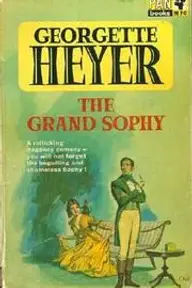
10. The Grand Sophy
Georgette Heyer
Sophy Stanton-Lacy arrives at her relatives’ London home and takes control of their tangled courtships, debts, and misunderstandings through sheer audacity. Her ongoing duel with her stern cousin Charles delivers first-rate banter between two capable personalities. Readers who love the absurd household comedy of the Bennets will find Sophy’s chaotic family intervention delightful.
Find it on Amazon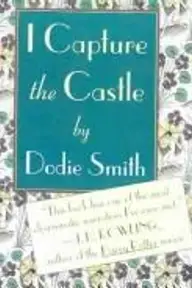
11. I Capture the Castle
Dodie Smith
Young Cassandra Mortmain records her eccentric family’s threadbare life in a crumbling castle until two wealthy American brothers arrive. Dodie Smith captures the financial vulnerability, sibling rivalries, and sudden stirrings of first love with witty, clear-eyed prose. It shares the rural household charm of Longbourn, though Cassandra’s story carries a bittersweet edge absent from Austen’s neat resolution.
Find it on Amazon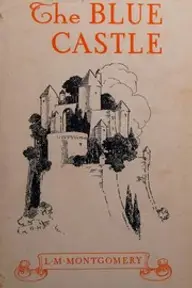
12. The Blue Castle
L. M. Montgomery
Valancy Stirling spends years submitting to her hypercritical, gossiping family before deciding to live on her own terms in the Canadian woods. L. M. Montgomery provides satisfying revenge against petty domestic tyrants and a gentle, unexpected courtship. Readers who cheered when Elizabeth confronted Lady Catherine de Bourgh will relish Valancy speaking her mind to her insufferable relations.
Find it on AmazonQualities That Make Pride and Prejudice Work
Pride and Prejudice succeeds because its comedy springs directly from human flaws instead of external plot contrivances. The novel balances social satire against authentic vulnerability, ensuring the romantic resolution feels earned by both parties.
Three qualities define the book and explain how the recommendations correspond to different reading preferences:
- Symmetrical character growth: Elizabeth and Darcy must each recognize their own misjudgments. North and South and Sylvester put both leads through the same climb-down.
- Dry social observation: Austen treats vanity, mercenary marriages, and drawing-room pretension as continuous comedy. The classic comedies of manners like Evelina and Doctor Thorne preserve this observant distance.
- Lively domestic friction: The Bennet household provides constant energy through mismatched parents, troublesome siblings, and chaotic visitors. The family chaos group captures that specific warmth and domestic absurdity.
How to Choose Your Next Book by Reading Mood
Your mood after finishing Austen’s novel dictates which direction will satisfy you most. If you want the same density of prose and subtle phrasing, stick to 19th-century authors who wrote for contemporary audiences.
Select your title based on the specific element you enjoyed most during your reading:
- For mutual reform and intense stubbornness: Pick North and South. The ideological and social tension between Margaret Hale and John Thornton creates compelling romantic heat without modern tropes.
- For pure wit and triumphant audacity: Choose The Grand Sophy. It delivers continuous verbal sparring and rapid-fire plotting designed to amuse.
- For emotional depth and patient restraint: Read Persuasion. It offers a mature perspective on love preserved through social isolation.
- For defiance against meddling relatives: Select The Blue Castle. Valancy’s rebellion against provincial family expectations matches Elizabeth Bennet’s finest moments of independence.
Content and Age Guidelines for Readers
Most of these books present very few content concerns for younger readers. Persuasion, Evelina, The Blue Castle, and Doctor Thorne contain no explicit content, profanity, or graphic violence. They are accessible to teenagers who can handle Victorian and Regency vocabulary.
The primary modern exception is Bringing Down the Duke. While it features historical suffragist themes, it is a modern historical romance and includes explicit romantic scenes. Readers wanting clean historical courtship should select Georgette Heyer or Elizabeth Gaskell instead.
Who Should Look Elsewhere
These books do not suit readers who crave high-stakes physical action, fantasy world-building, or rapid thriller pacing. If you are looking for magic, deadly tournaments, or suspenseful battles, jump to Books Like Fourth Wing or Books Like The Hunger Games.
Our pick changes if you want contemporary romantic dialogue: choose Books Like The Summer I Turned Pretty or take the What Should I Read Quiz to filter books by specific tropes and settings.
Next Steps for Classic Romance Readers
Once you finish these twelve books, broaden your exploration through our main directory of Books Like the One You Just Finished. That index tracks reading pathways across multiple centuries, genres, and stylistic matches.
Start with Persuasion if you have never read Jane Austen’s other completed works, or order North and South to experience Victorian industrial romance at its highest level.