Start with Jane Eyre and Rebecca, which match the menacing gothic atmosphere and isolated estates of Emily Brontë’s classic. At ReadNext, each title is checked against Open Library’s catalog. Jane Eyre gives you the brooding, secretive northern English estate and fierce devotion, while Rebecca delivers the claustrophobic dread of a remote house haunted by an inescapable predecessor. Both novels capture the dark emotional voltage that drives Wuthering Heights.
The twelve books like Wuthering Heights below are arranged into three distinct moods: bleak settings and haunted estates, consuming obsession and toxic romance, and untamed spirits crushed by rural isolation.
Books Like Wuthering Heights by What You Loved
Bleak settings and haunted estates
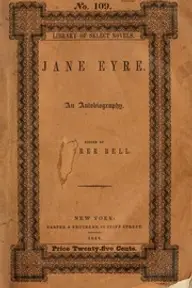
1. Jane Eyre
Charlotte Brontë
Charlotte Brontë creates a dark, windswept northern world filled with moral tension and hidden fury. The isolated Thornfield Hall hides a catastrophic domestic secret, much like the bitter domestic prison of Thrushcross Grange. The central bond between Jane and Rochester burns with fierce intensity, though Jane possesses a moral compass Catherine Earnshaw deliberately rejects. Readers who want Heathcliff’s brooding edge tempered by personal resilience will appreciate this story. Skip this title if you demand villains without a conscience.
Find it on Amazon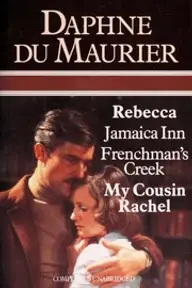
2. Rebecca
Daphne du Maurier
Daphne du Maurier builds a masterclass in psychological menace within an isolated coastal estate. Manderley looms over its timid new mistress, saturated with the memories and lingering presence of Maxim de Winter’s dead first wife. The book shares Emily Brontë’s skill at turning an ancient house into an emotional battleground. It trades the untamed Yorkshire heather for Cornish sea mists, and the narrator is passive instead of wild. Readers looking for a feral protagonist should pick another title.
Find it on Amazon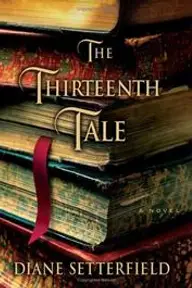
3. The Thirteenth Tale
Diane Setterfield
Diane Setterfield writes a modern gothic story steeped in Yorkshire secrets, ruined library rooms, and feral twin sisters. An aging novelist summons a biographer to record her family history, revealing dark incidents inside a crumbling manor house. The book captures the uncanny sibling bond and destructive passions that define Hindley, Catherine, and Heathcliff. The pacing unspools as a deliberate literary mystery instead of raw domestic violence. Skip this book if you prefer 19th-century prose rhythms to modern pacing.
Find it on Amazon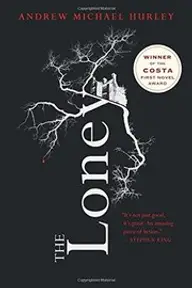
4. The Loney
Andrew Michael Hurley
Andrew Michael Hurley crafts a slow, eerie tale along a bleak, waterlogged stretch of the north-western English coast. A devout Catholic family visits a decaying shrine, where religious obsession and local folklore curdle into quiet dread. The threatening marshland mirrors the wild desolation of the Yorkshire moors. It substitutes quiet supernatural foreboding for the feverish romantic fury of Emily Brontë’s novel. Readers looking for operatic arguments or lovers screaming out of windows will find this atmosphere too muted.
Find it on Amazon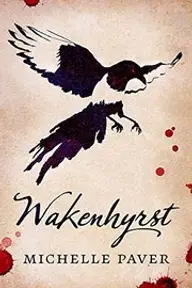
5. Wakenhyrst
Michelle Paver
Michelle Paver isolates an eccentric historian and his clever daughter inside an ancient manor on the edge of the Suffolk fens. As the father descends into religious mania and demonic obsession, the damp, suffocating setting tightens around them. The novel reflects the claustrophobic dread and generational madness running through the Earnshaw family. Note that the text contains scenes of graphic animal cruelty and domestic violence. Readers sensitive to harm against family pets should pass on this title.
Find it on AmazonConsuming obsession and toxic romance

6. Wide Sargasso Sea
Jean Rhys
Jean Rhys explores the feverish madness, colonial alienation, and doomed passion that create a broken marriage. Set in Jamaica and Dominica, the novel depicts how emotional cruelty, social displacement, and suspicion can warp love into total destruction. It shares Emily Brontë’s depiction of romance as a hostile takeover of the soul. The tropical heat and lush sensory detail invert the cold Yorkshire weather. Skip this title if you dislike fragmented, dreamlike modernist points of view.
Find it on Amazon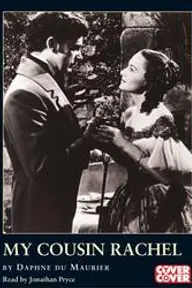
7. My Cousin Rachel
Daphne du Maurier
Daphne du Maurier tracks a young heir in Cornwall who falls into a suspicious, all-consuming infatuation with his deceased cousin’s widow. The narrative traps you inside the narrator’s unhinged perspective as love turns into paranoia, sickness, and financial ruin. It matches Heathcliff’s obsessive monomania, though the protagonist here is the victim of his own delusions instead of a ruthless avenger. Readers who demand clear, objective resolutions to romantic mysteries will find the ambiguous ending frustrating.
Find it on Amazon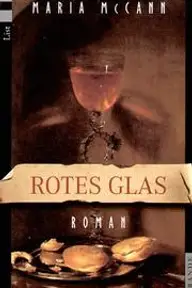
8. As Meat Loves Salt
Maria McCann
Maria McCann presents a brutal, consuming romantic obsession between two soldiers during the English Civil War. The protagonist possesses an uncontrollable temper, pathological jealousy, and a capacity for calculated cruelty that mirrors Heathcliff at his worst. Their bond is intensely destructive and utterly inescapable. This is a violent, raw historical novel with explicit sex, coercive control, and graphic battlefield brutality. Skip this book if you require sympathetic protagonists or comforting romantic resolutions.
Find it on Amazon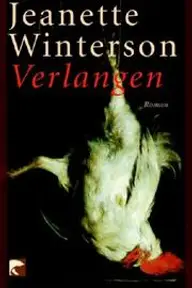
9. The Passion
Jeanette Winterson
Jeanette Winterson weaves a mythic, hypnotic tale about ruinous devotion, gambling, and lost hearts between Napoleonic Europe and frozen Venetian canals. A young soldier and a cross-dressing gambler become entangled in an emotional longing that defies rationality. The story captures the ecstatic, life-altering obsession that Catherine feels when she declares her identity is Heathcliff. The style is poetic, surreal, and fabulist instead of grounded historical realism. Readers who want traditional Victorian plotting should steer clear.
Find it on Amazon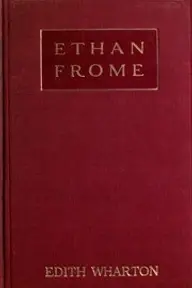
10. Ethan Frome
Edith Wharton
Edith Wharton strips romantic tragedy down to its frozen core in a harsh Massachusetts farm community. A trapped farmer, his sour wife, and their young cousin drift into an unspoken emotional passion that ends in catastrophic physical ruin. The bleak winter snow reflects the emotional paralysis of the characters, matching the unforgiving climate of Wuthering Heights. It lacks Emily Brontë’s supernatural hints and howling melodrama. Readers seeking fiery, shouting confrontations will find only quiet, grinding despair.
Find it on AmazonUntamed spirits and tragic rural fates

11. Tess of the d'Urbervilles
Thomas Hardy
Thomas Hardy depicts a vibrant, resilient young woman whose life is ruined by hypocritical social codes, predatory seduction, and agrarian hardship. Tess possesses the same deep connection to the natural earth that Catherine Earnshaw shares with the moors. Her inevitable ruin feels driven by fate, indifferent weather, and rigid community cruelty. The book is an expansive social critique instead of an intimate gothic ghost story. Skip this novel if you cannot bear relentless, unmerited suffering.
Find it on Amazon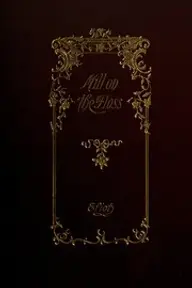
12. The Mill on the Floss
George Eliot
George Eliot charts the fiery, impulsive spirit of Maggie Tulliver and her turbulent bond with her rigid brother Tom. Maggie’s passionate nature repeatedly crashes against the narrow expectations of her provincial rural community. The intense, lifelong pull between the central siblings evokes the childhood devotion between Heathcliff and Catherine before adult pride tears them apart. The narrative voice is philosophical and expansive instead of gothic and terrifying. Skip this if you want supernatural dread.
Find it on AmazonThe Elements That Define Wuthering Heights
Wuthering Heights endures because it strips Victorian romance of polite decorum and presents desire as a catastrophic, elemental force. Emily Brontë treats love as an existential fury that borders on demonic possession. Heathcliff and Catherine do not seek marriage for comfort. Their devotion is a violent mutual recognition that destroys two generations of neighbors.
The surrounding natural setting acts as an active conspirator in this ruin. The cold winds, rocky turf, and exposed ridges of the Yorkshire moors explain why Heathcliff and Catherine reject domestic civilization. The architectural divide between the storm-battered farmhouse of Wuthering Heights and the refined valley sanctuary of Thrushcross Grange anchors every emotional conflict in physical stone.
How to Pick by What You Loved Most
If the windswept houses and menacing atmosphere drew you in, choose the titles in our haunted estates group. Jane Eyre delivers an immediate classic companion with a similarly brooding master, while The Thirteenth Tale updates the crumbling Yorkshire home with modern tension. Readers who prefer damp, creeping dread over ghosts will find The Loney matching the harsh, unforgiving weather.
If you want the terrifying psychological toll of ruinous devotion, look directly at our consuming romance group. Wide Sargasso Sea captures the feverish madness of an incompatible marriage, and My Cousin Rachel isolates suspicion inside a remote estate until trust collapses. Readers who want an uncompromising antihero matching Heathcliff’s violent cruelty should read As Meat Loves Salt.
Content Notes for Younger and Sensitive Readers
Wuthering Heights deals with domestic abuse, child neglect, animal killing, alcoholism, and vengeful cruelty. Modern readers encountering the title in academic settings are often surprised by how vicious the characters behave toward one another.
Several read-alikes go further than Wuthering Heights. As Meat Loves Salt features explicit sexual encounters, coercive violence, and graphic wartime atrocities. Wakenhyrst includes unsettling scenes of animal slaughter alongside religious madness. Younger readers seeking classic atmosphere without explicit violence or sexual content should stay with Jane Eyre, Rebecca, or The Mill on the Floss.
Who Should Skip These Books
These recommendations do not fit readers looking for comforting love stories, witty banter, or clean moral conclusions. Every recommended book explores emotional damage, harsh weather, and characters who make catastrophic life choices.
If you prefer bright contemporary drama, uplifting character arcs, or modern romantic comedy, skip this gothic catalog entirely. You will find better matches by browsing Books Like The Seven Husbands of Evelyn Hugo or taking our What should I read quiz to discover other genres.
Where to Go After Finishing These
Once you finish these novels, your path depends on whether you favored the gothic setting or the emotional devastation. Readers drawn to the tragic deconstruction of trauma and lifelong suffering should explore Books Like A Little Life, which examines the limits of devotion among damaged adults.
If you discover that your primary interest was high-stakes drama and dark romantic intensity in an untamed setting, look toward fantasy epics with Books Like Fourth Wing. Our pick changes if your main goal is fast-paced entertainment instead of literary prose. In that scenario, contemporary genre fiction serves your reading habits far better than 19th-century rural tragedies. To branch out into other categories, return to our index of Books Like the One You Just Finished to find books like Wuthering Heights and other dark classics.