If We Were Villains by M.L. Rio and The Likeness by Tana French are the two closest matches to The Secret History by Donna Tartt. At ReadNext, each title is checked against Open Library’s catalog.
Both novels place an outsider inside a brilliant, co-dependent group of scholars who protect each other through silence after a member dies.
Books Like The Secret History, Grouped by What You Liked Most
Toxic campus cliques and covered-up crimes
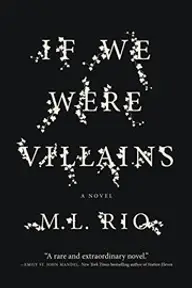
1. If We Were Villains
M.L. Rio
M.L. Rio sets her story in an elite arts conservatory where seven drama students immerse themselves in Shakespearean tragedy. When competition turns fatal, the circle fabricates an accident to preserve their collective future. The book replicates the theatrical arrogance and claustrophobic codependency that defined Richard Papen’s peer group. Readers seeking a lighter campus drama should look elsewhere, as the plot centers on murder and self-harm.
Find it on Amazon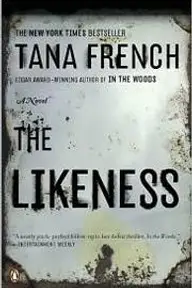
2. The Likeness
Tana French
Detective Cassie Maddox goes undercover as Lexie Madison, a murdered postgraduate, and moves into the country house Lexie shared with four friends. Living inside their secluded domestic routine, Cassie experiences the exact magnetic pull that kept Donna Tartt’s classicists bound to one another. The tension comes from watching an investigator fall under the spell of suspects who may kill her. It contains psychological cruelty and descriptions of violent death.
Find it on Amazon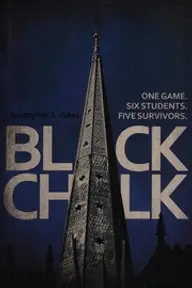
3. Black Chalk
Christopher J. Yates
Christopher J. Yates constructs an Oxford narrative where six close friends invent a game of dares that starts with social humiliation and ends in irreversible damage. The dual timeline alternates between undergraduate hubris and the guilt-ridden aftermath suffered by the survivors. Readers who prefer warm resolutions should bypass this title. Yates refuses to soften the cruelty, and the story contains explicit depictions of psychological torture and suicide.
Find it on Amazon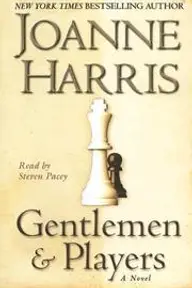
4. Gentlemen and Players
Joanne Harris
Joanne Harris captures the elite grammar-school hierarchy of St Oswald’s through alternating perspectives: a Latin master dedicated to tradition and an unnamed saboteur executing a campaign of quiet destruction. The novel matches Donna Tartt’s focus on institutional privilege, hidden class resentment, and classical pedantry. Readers sensitive to historical abuse themes and cold-blooded plotting should pass, as the story handles murder and historical child abuse.
Find it on AmazonEnchanted outsiders drawn to decadent aristocrats
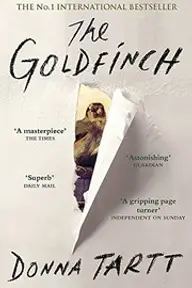
5. The Goldfinch
Donna Tartt
Donna Tartt’s third novel follows Theo Decker after a museum bombing leaves him in possession of a priceless painting. His life links with wealthy collectors, antique forgers, and an eccentric friend named Boris. The novel delivers Tartt’s layered prose, nostalgic New York interiors, and obsession with antique art. The pace is expansive, and the narrative features severe prescription drug abuse and gun violence.
Find it on Amazon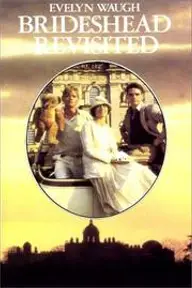
6. Brideshead Revisited
Evelyn Waugh
Charles Ryder arrives at Oxford, meets the aristocratic Sebastian Flyte, and becomes entangled in the Flyte family’s Catholic melancholy and crumbling country estate. The book offers the golden-hour nostalgia of Oxford that Richard feels at Hampden. Readers seeking a high-stakes crime plot will find a philosophical, elegiac meditation on class, decline, and faith instead.
Find it on Amazon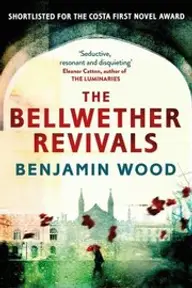
7. The Bellwether Revivals
Benjamin Wood
Benjamin Wood introduces Oscar, an ordinary care-home assistant in Cambridge who falls into the orbit of an eccentric musical prodigy and his wealthy companions. The prodigy believes his compositions possess hypnotic, curative power, dragging the group into severe delusion. The contrast between working-class reality and cloistered academic privilege mirrors Richard Papen’s early days in Hampden. The book contains domestic violence, emotional control, and self-harm.
Find it on Amazon
8. A Separate Peace
John Knowles
John Knowles explores a competitive private-school friendship during wartime. Gene’s envy of his charismatic roommate Phineas leads to a sudden, ambiguous betrayal on a tree branch above a river. The short novel is a study in private guilt and the fatal consequences of adolescent obsession. Readers wanting contemporary adult themes will find a spare mid-century boarding school tragedy focused on repressed hostility.
Find it on AmazonEnigmatic mentors and dark intellectual obsessions
9. Babel
R.F. Kuang
R.F. Kuang anchors her Oxford fantasy in the Royal Institute of Translation, where students master dead languages to power magical silver bars. The scholarly camaraderie turns bitter as the characters confront the imperial violence financed by their academic research. The book delivers intense linguistic study and moral degradation. Sensitive readers should note that the text addresses colonial brutality, institutional racism, graphic physical violence, and suicide.
Find it on Amazon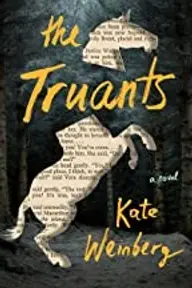
10. The Truants
Kate Weinberg
Kate Weinberg follows university freshman Jess Walker to East Anglia to study Agatha Christie under a magnetic, unconventional literature professor. Jess falls in with a tight quartet of students whose romantic triangles and obsessive secrets mirror the Golden Age mysteries they dissect. It shares the seduction of an intellectual mentor who manipulates student dynamics. The plot covers suicide, emotional manipulation, and alcohol abuse.
Find it on Amazon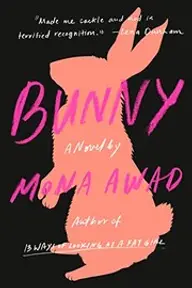
11. Bunny
Mona Awad
Mona Awad takes academic exclusivity into surreal satire. A scholarship student in a prestigious New England creative writing program is pulled into a sickly-sweet clique of rich women who call each other Bunny and conduct monstrous rituals in secret. It distorts the insular snobbery of The Secret History into visceral black comedy. Readers who dislike body horror, animal death, and grotesque imagery should choose a different title.
Find it on Amazon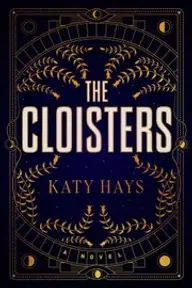
12. The Cloisters
Katy Hays
Katy Hays sets her drama among medieval researchers at The Cloisters museum in Upper Manhattan. Ann Stilwell is drawn into a secretive curatorial project involving fifteenth-century tarot decks, astrological divination, and an ambitious colleague with dubious motives. It captures the academic isolation and dangerous scholarly curiosity that made Hampden College compelling. The story includes lethal poisoning, academic fraud, and murder.
Find it on AmazonThe Three Core Qualities That Drive Dark Academia
Donna Tartt’s campus novel remains popular because it combines three distinct narrative components that rarely appear in the same book:
-
Intellectual isolation: Julian Morrow’s Greek students operate outside the social life of Hampden College, speaking ancient languages and treating their classical studies as a moral sanctuary that exempts them from normal civic laws.
-
Seductive outsider perspective: Richard Papen arrives from California with modest funds and an acute sense of social inadequacy. His intense desire to appear refined makes him overlook the cruelty, dishonesty, and cold detachment of the students who invite him into their country house in Vermont.
-
Inverted mystery structure: The novel reveals the murder of Bunny Corcoran in its very first sentence. The tension comes from watching the killers fall apart under police questioning and mutual suspicion.
How to Pick by What You Loved Most
Readers who loved the conspiratorial tension and the terror of discovery should begin with If We Were Villains or The Likeness. Both novels examine what happens to a friendship when preserving the group requires hiding a corpse. The characters live under constant surveillance, and their loyalty curdles into suspicion.
If you read Donna Tartt for her languid descriptions of velvet jackets, antique furniture, and grand houses, turn to Brideshead Revisited or The Goldfinch. These books emphasize aesthetic refinement and the sadness of fading institutions. The plot moves at an unhurried pace, letting the reader live inside the setting.
Readers fascinated by the dynamic between Julian Morrow and his disciples will find similar figures in The Truants and Babel. Both novels show how a charismatic scholar can convince ambitious young people to abandon their personal moral boundaries in service of an intellectual ideal.
Who Should Skip These Recommendations
These recommendations are not designed for readers looking for fast-paced commercial thrillers with clear moral heroes. Every book in this group centers on self-absorbed protagonists who make catastrophic ethical compromises. If you dislike characters who behave with snobbery or disdain for ordinary people, dark academia will frustrate you.
Readers who want cozy campus mysteries where the crime is resolved neatly by a detective should choose traditional procedural novels instead. If your preference leans toward high-stakes fantasy romance set in academies, explore Books Like Fourth Wing. Our pick changes to lighter mysteries if you want straightforward stories without heavy guilt, psychological abuse, or philosophical fatalism.
Next Steps After These Twelve Campus Novels
When you finish these twelve campus novels, you can branch out into classic literature that shares the same themes of outsider longing and class seduction. Nick Carraway in The Great Gatsby feels the same lure of decadent wealth. See Books Like The Great Gatsby. Readers wanting raw coming-of-age alienation without a crime will find value in Books Like The Catcher in the Rye.
If you want to discover more tailored reading paths across other genres, use the What Should I Read Quiz to filter recommendations by pacing, mood, and subject matter. You can also explore our broader catalog of read-alikes at Books Like the One You Just Finished to find the next title for your shelf.