The closest matches to read after The Song of Achilles are Circe, In Memoriam, and The Persian Boy. At ReadNext, we compare read-alikes by checking each title against Open Library’s catalog based on what gave the original novel its emotional weight. Madeline Miller’s second novel shares the same poetic Greek mythological world, while the novels by Alice Winn and Mary Renault deliver the same devoted queer romance pressed against the brutality of ancient and modern warfare.
For Madeline Miller’s retelling of the Trojan War, that weight came from three distinct qualities: lyrical prose that treats ancient legend as immediate reality, an intimate queer romance shaped by fate, and an inevitable tragedy where love endures despite impending disaster. The twelve recommendations are divided into three groups based on those qualities so you can choose your next title based on the part of the story you want to revisit.
Twelve Novels for Readers Who Loved The Song of Achilles
The Trojan War and Greek myth reborn
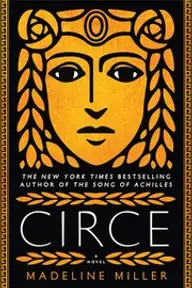
1. Circe
Madeline Miller
Madeline Miller applies her signature lyrical voice to the exiled witch of Aiaia. The narrative spans centuries as Circe claims her own craft among capricious gods and dangerous mortals. The tone matches the warmth and melancholy of The Song of Achilles, though the romantic devotion here is replaced by an introspective portrait of solitary power and survival. Readers looking for an all-consuming love story will find a quieter personal independence instead.
Find it on Amazon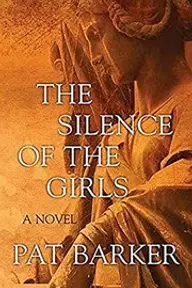
2. The Silence of the Girls
Pat Barker
Pat Barker returns to the Greek encampment at Troy through the clear eyes of Briseis, queen of Lyrnessus reduced to war booty. The novel offers a stark corrective to the romanticism of the Iliad, exposing the daily terror endured by enslaved women behind the battle line. Achilles appears here through a cold, distant lens. Expect graphic wartime violence and sexual assault, making this unsuitable for anyone seeking a gentle or comforting romance.
Find it on Amazon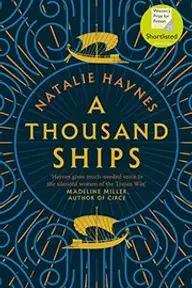
3. A Thousand Ships
Natalie Haynes
Natalie Haynes retells the Trojan War through a chorus of female voices, giving Penelope, Cassandra, Hecuba, and the Trojan women center stage. The writing balances dry wit with genuine sorrow as it tracks the human cost of legendary heroics. It lacks the single central romance of The Song of Achilles, but it expands the classical tragedy across dozens of intertwined perspectives. Readers sensitive to wartime cruelty should note the bleak depictions of siege and captivity.
Find it on Amazon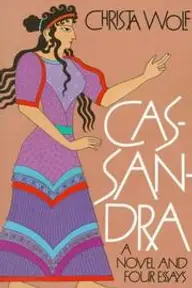
4. Cassandra
Christa Wolf
Christa Wolf presents a spare interior monologue delivered by the Trojan princess as she awaits execution outside the gates of Mycenae. The prose is dense, philosophical, and intensely focused on the cost of seeing disaster before anyone else believes it. It mirrors the doomed atmosphere of Patroclus watching Achilles march toward his prophecy. Choose this if you prefer solemn contemplation over battle scenes and romantic drama.
Find it on Amazon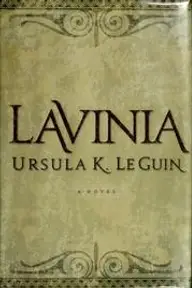
5. Lavinia
Ursula K. Le Guin
Ursula K. Le Guin gives voice to the Latin princess who never spoke a line in Virgil’s Aeneid. Living in an ancient Italy of forests and ritual piety, Lavinia chooses her husband and accepts the war his arrival brings. The prose is stately, warm, and deeply respectful of ancient religious devotion. It moves at a deliberate pace, which will disappoint readers who crave the breathless narrative momentum of the Trojan beachhead.
Find it on AmazonDoomed love and tender queer devotion
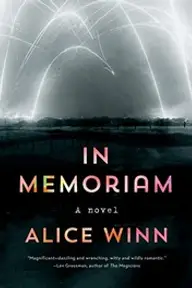
6. In Memoriam
Alice Winn
Alice Winn follows two boarding school classmates whose unspoken romantic devotion carries them straight into the muddy trenches of the First World War. The emotional cadence closely matches Patroclus and Achilles, combining private tenderness with the grim waste of combat. Graphic depictions of battlefield wounds and explicit sex appear throughout. Readers who wept over the final chapters of The Song of Achilles will recognize the tragic weight of youth crushed by conflict.
Find it on Amazon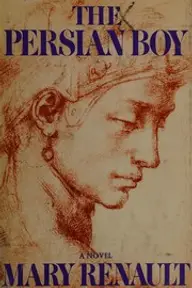
7. The Persian Boy
Mary Renault
Mary Renault traces the final years of Alexander the Great through Bagoas, a young Persian courtier who becomes the conqueror’s devoted lover and confidant. Renault was a pioneer of queer historical fiction, and her recreation of ancient military campaigns feels vivid and authentic. The relationship between Alexander and Bagoas offers the same tender intimacy under historical pressures found in Madeline Miller’s work. The battle scenes contain period-typical violence.
Find it on Amazon
8. Swimming in the Dark
Tomasz Jedrowski
Tomasz Jedrowski crafts a quiet romance between two young men in communist Poland who fall in love during a lakeside summer before political reality tears them apart. The poetic sentences and aching sense of loss match the tender youth of Achilles and Patroclus in Phthia. There are explicit romantic scenes and a heavy mood of surveillance and compromise. Readers who want battlefield heroism should look elsewhere, as the conflict here is purely ideological and emotional.
Find it on Amazon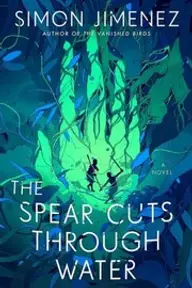
9. The Spear Cuts Through Water
Simon Jimenez
Simon Jimenez weaves an innovative fantasy epic around two broken warriors who escort a dying moon goddess across an empire torn by tyrannical princes. The prose uses multiple narrative layers and a rhythmic, folklore-infused register. A fierce romantic bond develops amid desperate running battles and body horror. Graphic violence and severed limbs feature heavily, so pass on this if you prefer traditional historical realism over mythological high fantasy.
Find it on AmazonMythic epics of love, war, and tragedy
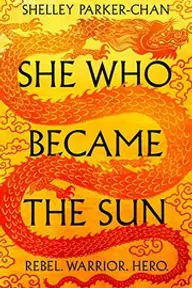
10. She Who Became the Sun
Shelley Parker-Chan
Shelley Parker-Chan reimagines the founding of the Ming dynasty through an impoverished peasant girl who takes her dead brother’s identity to claim greatness. The story features queer longing, fierce political ambition, and the ruthless pursuit of destiny against celestial odds. The psychological depth recalls the fateful choices Achilles made between glory and peace. Readers should prepare for battlefield brutality and dark moral compromises throughout the campaign.
Find it on Amazon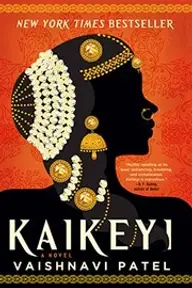
11. Kaikeyi
Vaishnavi Patel
Vaishnavi Patel reimagines the world of the Ramayana through Kaikeyi, the queen often remembered as the villain who demanded the exile of Rama. The novel focuses on family diplomacy, divine influence, and a woman carving out political authority in a patriarchal court. The prose shares Madeline Miller’s empathetic revisionist approach to ancient legend. It focuses heavily on administrative court maneuvers, which moves slower than the Trojan military campaign.
Find it on Amazon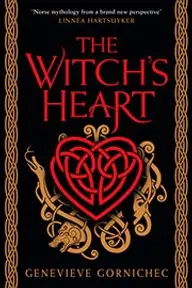
12. The Witch's Heart
Genevieve Gornichec
Genevieve Gornichec centers the giantess Angrboda, mother of monsters and lover of Loki, hiding in the iron woods of Norse myth while awaiting Ragnarok. The book balances domestic sweetness with the looming certainty of universal destruction. The tone evokes the tragic domestic warmth of Patroclus caring for Achilles between battles. Those who prefer fast-paced action might find the quiet homestead chapters slow, but the ending lands with crushing force.
Find it on AmazonThe Core Elements That Made The Song of Achilles Work
Readers who finish Madeline Miller’s novel usually mourn a specific blend of two storytelling elements. Identifying which of those elements resonated most with you will point you directly to your best follow-up book.
The first element is the sympathetic revision of classical myth. Miller stripped away the archaic distance of Homer’s epic poetry, presenting heroes and gods as vulnerable beings driven by pride, fear, and grief. The books in our first group, such as Circe and The Silence of the Girls, explore this same ancient Mediterranean canvas while restoring humanity to figures that epic poetry treated as trophies or monsters.
The second element is tender queer devotion tested by catastrophe. Patroclus gave the story its moral center, choosing compassion and quiet loyalty over warrior glory. If that emotional bond was what kept you turning pages, novels like In Memoriam and The Persian Boy capture the exact same ache of lovers facing historical carnage together.
How to Choose Your Next Book by Reading Mood
Your ideal choice depends on the specific emotional aftermath you want from your reading hours. Some readers want another tearjerker, while others want to examine ancient history from a completely different social vantage point.
Select your next title using these distinct reading priorities:
- If you want identical lyrical prose and Greek mythology: Choose Circe for an introspective look at divinity and mortal love, or A Thousand Ships for a sweeping overview of Troy’s tragic women.
- If you want an all-consuming historical queer romance: Choose In Memoriam for visceral wartime devotion, or Swimming in the Dark for political tension and quiet longing.
- If you want the grim perspective of the Trojan War: Choose The Silence of the Girls to see Achilles and Agamemnon through the unsparing eyes of captive women.
- If you want mythological worldbuilding outside ancient Greece: Choose The Witch’s Heart for Norse mythology or Kaikeyi for ancient Indian epic history.
Content and Age Notes for Sensitive Readers
Madeline Miller wrote The Song of Achilles as an adult novel containing battlefield slaughter, grief, and consensual sex scenes.
Several titles step much higher in intensity. The Silence of the Girls depicts recurring sexual assault, forced concubinage, and the grim physical realities of an ancient military camp. In Memoriam features harrowing descriptions of trench combat, gangrene, and artillery strikes during World War I, alongside explicit sexual encounters. The Spear Cuts Through Water includes graphic body horror and dismemberment.
If you prefer a gentler read that preserves mythological reverence without graphic brutality, choose Lavinia or Kaikeyi. Both titles focus on political agency, spiritual traditions, and domestic bonds without descending into explicit violence or sexual trauma.
Where to Turn After Exhausting These Retellings
Once you finish these twelve books, your reading path branches based on whether you prefer mythological retellings, gut-wrenching emotional tragedy, or high-stakes war epics.
If you discover that your primary craving is deep emotional devastation and complex relationships, explore Books Like A Little Life, which examines endurance and found family under severe psychological distress. If your interest leans toward military academies, deadly competition, and romance, look through Books Like Fourth Wing or Books Like The Hunger Games for stories about youth confronting lethal institutions.
To explore more reading paths tailored to specific books and emotional hooks, browse our full collection of Books Like the One You Just Finished. If you want a personalized recommendation based on your favorite tropes and desired reading pace, take our interactive What Should I Read Quiz to find your next favorite title.
Who Should Skip These Books and What to Read Instead
These twelve recommendations are not suited for readers seeking lighthearted romantic comedy, fast-paced escapist mystery, or uplifting contemporary fiction. Every recommended book deals with heavy themes of mortality, war, social injustice, and destiny, often ending in deep grief or bittersweet survival.
If you want a cozy fantasy with low emotional stakes and gentle humor, skip these books entirely and look into cozy fantasy titles centered on tea shops, small towns, and low-conflict adventures. Our pick changes if you want action-heavy military fantasy with magic combat. Go to Books Like Fourth Wing instead.