Siddhartha and The Little Prince are the two clearest matches for anyone who loved The Alchemist. At ReadNext, we match books on shared philosophical resonance, fable-like storytelling, and the central search for personal purpose. Both titles follow solitary wanderers who learn that external treasures matter far less than inner transformation.
The twelve selections below group into three categories: spiritual quests with awakening mentors, philosophical fables, and physical crossings that test human resolve. Readers who want straightforward allegory, lyrical parables, and quiet reflection will find their next reading project here.
Twelve Books to Read After The Alchemist
Spiritual quests and awakening mentors
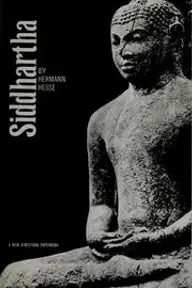
1. Siddhartha
Hermann Hesse
Siddhartha moves from ascetic devotion to worldly pleasures before finding wisdom in the river, a longer road to the same lesson Santiago learns. Hermann Hesse writes with gentle restraint and philosophical depth. Readers who loved the spiritual growth in The Alchemist will find an even richer exploration of self-discovery here. Skip this title if you demand an urgent plot, as the pacing is deliberately meditative.
Find it on Amazon2. The Pilgrimage
Paulo Coelho
Paulo Coelho wrote this personal narrative about walking the Road to Santiago across northern Spain. It serves as the real-world foundation for the themes of signs, omens, and mystical discipline that later shaped his famous fable. The book blends autobiography with esoteric exercises. Readers who want more of Coelho’s signature worldview will appreciate the direct glimpse into his spiritual philosophy.
Find it on Amazon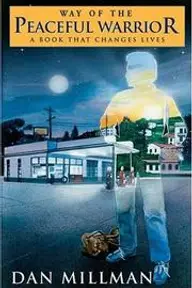
3. Way of the Peaceful Warrior
Dan Millman
Dan Millman shares the story of a college gymnast who meets an eccentric old gas station attendant named Socrates. The mentor teaches him to quiet his mind and live fully in the present moment. It shares Coelho’s focus on mentorship and spiritual training, though the tone leans closer to modern sports memoir. Readers who prefer historical or desert settings might find the twentieth-century college campus backdrop jarring.
Find it on Amazon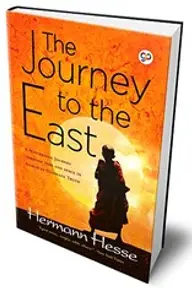
4. The Journey to the East
Hermann Hesse
A member of a mystical league recounts a pilgrimage across time and geography in search of ultimate truth. Hesse creates a dreamlike parable about faith, devotion, and the disillusionment that happens when spiritual groups falter. Like Coelho’s work, it functions as an extended allegory where simple events hold dual meanings. Readers wanting clear resolutions might struggle with its surreal ending.
Find it on Amazon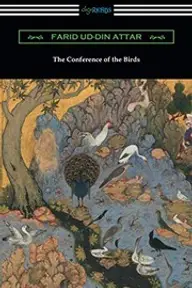
5. The Conference of the Birds
Farid ud-Din Attar
A flock of birds sets out across seven valleys to find their king, and the thirty who arrive discover they are what they sought. Farid ud-Din Attar’s twelfth-century Sufi poem explores the soul’s longing for divine union through vivid allegorical tales. The central revelation mirrors Santiago finding his treasure right back where his path began. The verse format requires patient reading.
Find it on AmazonPhilosophical fables and timeless allegories

6. The Little Prince
Antoine de Saint-Exupéry
A stranded aviator in the Sahara meets a young prince who travels between planets trying to understand adult foolishness. Antoine de Saint-Exupery crafts a poetic examination of love, responsibility, and invisible truths. It shares the open desert setting and simple sentence structures of The Alchemist. While frequently shelved for children, its philosophical insights on human connection speak directly to adult readers.
Find it on Amazon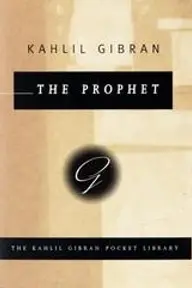
7. The Prophet
Kahlil Gibran
Before boarding a ship to return home, a wise seer shares poetic discourses on love, marriage, work, joy, and freedom with the people of Orphalese. Kahlil Gibran writes with musical prose that reads like sacred scripture. It provides the same comforting, aphoristic wisdom found in Coelho’s dialogues. Readers who want an active narrative with physical danger should look elsewhere.
Find it on Amazon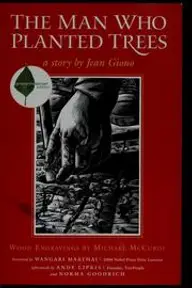
8. The Man Who Planted Trees
Jean Giono
A lone shepherd quietly plants acorns across a barren valley over several decades, transforming a desolate wasteland into a thriving green forest. Jean Giono’s short tale mirrors Coelho’s belief that persistent, humble devotion to a single calling can alter the world. It is brief, gentle, and deeply moving. Readers who need romantic subplots or mystical encounters will find it too sparse.
Find it on Amazon9. Invisible Cities
Italo Calvino
Marco Polo describes fifty-five fantastical cities to the aging emperor Kublai Khan, using architecture and urban life to explore memory, desire, and time. Italo Calvino writes with crystal precision and philosophical imagination. Like The Alchemist, it treats physical wandering as an exterior reflection of internal mental states. Readers who need traditional dialogue and ongoing character conflict should skip it.
Find it on AmazonCrossings over Sand and Sea
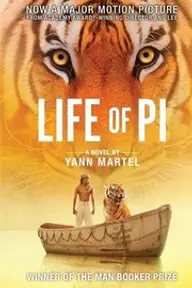
10. Life of Pi
Yann Martel
After a shipwreck in the Pacific Ocean, a young Indian boy survives on a lifeboat alongside a Bengal tiger. Yann Martel blends survival adventure with an allegorical inquiry into faith, storytelling, and belief in God. It captures the same sense of divine testing across vast natural elements. Sensitive readers should note that the novel includes intense survival violence and graphic animal deaths.
Find it on Amazon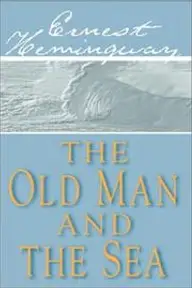
11. The Old Man and the Sea
Ernest Hemingway
An aging Cuban fisherman ventures far into the Gulf Stream to hook a giant marlin, fighting an agonizing battle against the fish and scavenging sharks. Hemingway’s spare prose and focus on dignity, perseverance, and harmony with nature echo Santiago’s desert trials. It strips storytelling down to its raw mechanics. Readers wanting explicit spiritual discourse or magical realism might find it dry.
Find it on Amazon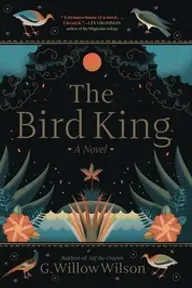
12. The Bird King
G. Willow Wilson
A royal concubine and a palace mapmaker with the magical ability to draw real doors escape Granada during the Spanish Inquisition to search for a mythical island of safety. G. Willow Wilson delivers rich historical atmosphere, Spanish settings, and magical realism. It mirrors the Andalusian starting point of The Alchemist. Moderate historical violence occurs throughout the escape.
Find it on AmazonThree Distinct Elements That Define The Alchemist
The enduring appeal of Paulo Coelho’s work rests on three narrative techniques that appear throughout world literature.
When choosing what to read next, identifying which of these three characteristics you appreciated most will lead you to the right volume.
- The simple fable structure, using clear declarative sentences to express universal life truths without heavy exposition.
- The spiritual quest motif, where an outer physical trek across challenging terrain parallels the protagonist’s interior transformation.
- The concept of personal calling, presenting destiny as a tangible force that rewards persistence, humility, and observation of omens.
How to Pick Your Next Book by Reading Mood
If you want pure philosophical wisdom without a complex plot, choose The Prophet or The Little Prince. Both books deliver brief, lyrical reflections on what gives human existence meaning, making them ideal for reflective evening reading.
If you want an engaging narrative with deep character development, pick Siddhartha or Life of Pi. These novels challenge their protagonists with difficult moral questions and physical deprivation, grounding their spiritual revelations in tangible hardship.
If you loved the Spanish setting and elements of magical folklore, start with The Bird King or The Pilgrimage. Both books immerse you in the historic trails and cultural crossroads of Spain.
Who Should Skip These Recommendations
Readers who dislike moral parables, spiritual allegories, or open philosophical messaging should pass on this entire collection. If you prefer hard science fiction, complex murder mysteries, or gritty psychological thrillers with high plot velocity, these meditative titles will likely feel slow and moralistic.
For readers who prefer fast pacing and intense conflict, Books Like The Song of Achilles and Books Like The Giver offer plot-driven adventure instead.
What Would Change Our Top Recommendation
Our pick changes to The Old Man and the Sea if a reader demands concrete realism over spiritual mysticism.
Readers who feel irritated by overt talk of the soul, universal signs, or metaphysical destiny will appreciate Hemingway’s grounded focus on physical work, quiet fortitude, and real-world endurance.
Next Steps for Your Reading List
Start with Hermann Hesse’s Siddhartha for the closest match to the themes of personal calling and spiritual awakening.
If you want to explore other reading categories tailored to your tastes, browse our index of Books Like the One You Just Finished or use the What Should I Read Quiz to discover your next favorite book.