Holes, Ghost, and Amari and the Night Brothers represent three reliable entry points for eleven-year-old readers. When we match a book, we look at voice, pace, world, emotional register and age fit.
Eleven marks an awkward bridge between childhood chapter books and teenage fiction. Readers at this age balance heavier school workloads with shifting friendships, emerging social awareness, and distinct genre preferences. The picks below cover fantasy, real-world drama, puzzle mysteries, and graphic storytelling.
Readers seeking mature young adult fiction with explicit teenage themes should look elsewhere. If an eleven-year-old reader prefers visual pacing or struggles with long blocks of text, start with graphic novels like New Kid before attempting dense sagas.
Books for 11 Year Olds, Grouped by Genre and Pace
High-Stakes Adventure & Fantasy
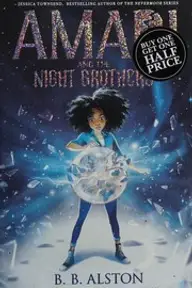
1. Amari and the Night Brothers
B. B. Alston
Amari Peters discovers a hidden world of supernatural agents while trying to find her missing brother. The plot moves rapidly through competitive trials and magical discoveries. The fantasy combat and missing family member introduce genuine tension. Skip this title if you want quiet domestic realism, but hand it to fans of modern supernatural quests.
Find it on Amazon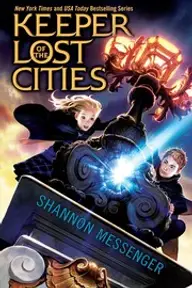
2. Keeper of the Lost Cities
Shannon Messenger
Sophie Foster is a telepathic girl who leaves human society behind to enter a world of magical cities and hidden perils. The expansive setting centers on telepathic abilities and magical cities. Readers should note scenes involving kidnapping and isolation. Readers who get overwhelmed by thick, detailed sagas should start elsewhere, while devoted worldbuilders will tear through every chapter.
Find it on Amazon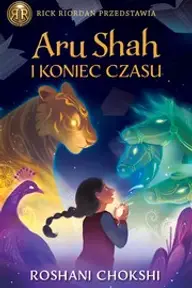
3. Aru Shah and the End of Time
Roshani Chokshi
Aru Shah lights a lamp inside a museum and inadvertently frees an ancient sleeper demon. She sets out on a quest rooted in Hindu folklore to prevent catastrophe. The writing balances brisk banter with world-ending stakes and magical encounters. Pick this book for mythological adventures with sharp humor, but bypass it if your reader dislikes high-energy quest stories.
Find it on AmazonMysteries & Survival
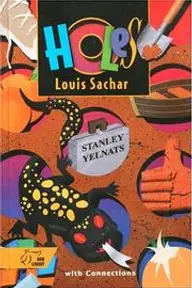
4. Holes
Louis Sachar
Stanley Yelnats is wrongly sent to a harsh detention camp where boys dig holes under the watch of cruel adult authority figures. Louis Sachar weaves family history, strange curses, and desert survival into an interlocking puzzle. The desert conditions and casual cruelty give the plot weight. Readers looking for modern digital themes might pause, but anyone who loves dry wit and satisfying puzzles will finish it quickly.
Find it on Amazon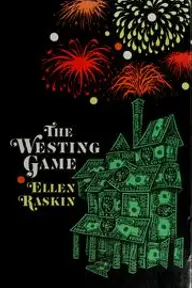
5. The Westing Game
Ellen Raskin
Sixteen heirs gather in a lakefront apartment building to solve the mysterious death of an eccentric millionaire. The narrative tasks readers with deciphering word games, false identities, and secret motives alongside an eccentric ensemble. A murder mystery setup and minor bomb explosions provide suspense. Readers who dislike tracking a large cast may struggle, while detail-oriented sleuths will enjoy every clue.
Find it on Amazon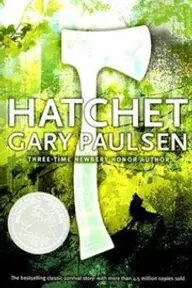
6. Hatchet
Gary Paulsen
Brian Robeson finds himself alone in the Canadian wilderness following a sudden plane crash, armed with nothing except a small hatchet. The plot focuses on trial-and-error resourcefulness, weather perils, and animal encounters. Content includes the pilot dying of a heart attack and intense wilderness peril. Readers seeking banter or group dynamics will find it solitary, but it suits readers who want a single-character survival story.
Find it on Amazon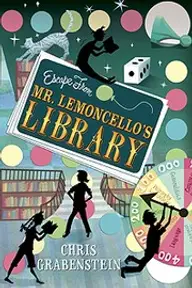
7. Escape from Mr. Lemoncello's Library
Chris Grabenstein
Kyle Keeley joins a group of students spending the night inside a futuristic library packed with riddles, games, and hidden clues. To win the grand contest, the players must pool their wits and decode book references under competitive pressure. Readers who want quiet emotional depth should pick another title, but energetic puzzle lovers will race through the game.
Find it on AmazonReal-Life Stories & Sports
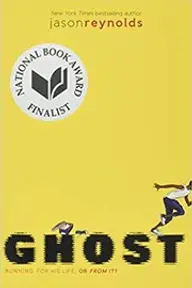
8. Ghost
Jason Reynolds
Castle Cranshaw, who goes by Ghost, joins an elite track team where a dedicated coach helps him channel his natural athletic speed. Jason Reynolds uses an immediate spoken voice that reflects neighborhood life, athletic discipline, and past trauma involving domestic gun violence. Skip this book if you want fantasy escapism, but choose it for sports realism, humor, and authentic character voice.
Find it on Amazon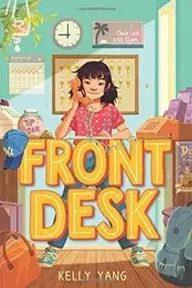
9. Front Desk
Kelly Yang
Mia Tang manages the front desk of a California motel while her immigrant parents clean the rooms and face unfair labor demands. Mia handles difficult customers and confronts prejudice. The plot addresses racism and an off-page assault. Readers wanting magical escapism should pass, but anyone drawn to resourceful protagonists and social justice will adore Mia.
Find it on Amazon10. Bridge to Terabithia
Katherine Paterson
Jess Aarons and Leslie Burke create an imaginary forest kingdom named Terabithia where they escape schoolyard bullies and family expectations. The story examines deep platonic friendship, artistic ambition, and the sudden tragedy of an accidental childhood death. Readers sensitive to intense emotional grief should approach with care, but it offers a poignant portrait of youthful imagination.
Find it on Amazon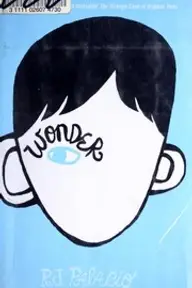
11. Wonder
R. J. Palacio
August Pullman attends a standard school for the first time after years of home instruction, facing stares and classroom cruelty. The narrative rotates across multiple viewpoints to explore how kindness, peer pressure, and facial difference stigma affect an entire community. The plot touches on school bullying and the death of a family dog. Those seeking rapid action can skip it; character-focused readers will connect deeply.
Find it on Amazon12. A Good Kind of Trouble
Lisa Moore Ramée
Shayla prefers keeping her head down and following the rules until racial injustice in her community forces her to take a visible stand. The book explores changing middle school friendships, family conversations, and student activism surrounding police brutality protests. It fits readers going through the social shifts of sixth grade, though anyone wanting complete escapism from current events should look elsewhere.
Find it on AmazonHumor & Graphic Novels
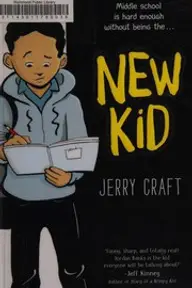
13. New Kid
Jerry Craft
Jordan Banks dreams of attending art school but finds himself enrolled at a prestigious private academy where he is one of few students of color. The graphic novel panels capture microaggressions, uncomfortable classroom moments, and cafeteria politics with sharp visual humor. Readers who only read traditional text-dense novels should pass, while visual thinkers and reluctant readers will find Jordan deeply relatable.
Find it on Amazon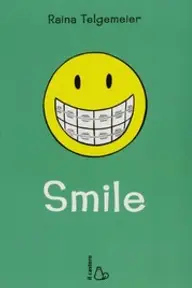
14. Smile
Raina Telgemeier
Raina Telgemeier shares her personal experiences recovering from a severe front-tooth injury while managing the social turbulence of early middle school. The graphic memoir covers dental surgery, headgear embarrassment, shifting friend groups, and adolescent self-doubt. Readers sensitive to dental procedures should take note. It suits readers who want funny reflections on everyday adolescent anxiety.
Find it on AmazonWhat Reading Looks Like for 11 Year Olds
Recreational reading habits often fracture around this age due to extracurricular schedules, increased homework loads, and competing digital screen time. An eleven-year-old who previously devoured whole chapter series may suddenly resist independent reading if novels feel like schoolwork. Keeping varied genres on hand prevents reading fatigue from settling in permanently.
Stamina also diverges sharply across this age band. One student might happily sit with a long fantasy epic like Keeper of the Lost Cities, while another student processes plot and social nuance far better through the visual panels of New Kid.
How to Match Books by Pace and Interest
Match selections to your reader’s preferred pacing. Readers who struggle to stay focused through lengthy exposition generally succeed with immediate survival dilemmas or clear mystery structures. Fast-moving books give young readers a concrete goal that keeps them turning pages.
Evaluate whether your reader seeks escapist wonder or grounded emotional reflection. For readers who want to unravel clues, titles like The Westing Game and Holes reward close attention to small details.
Consider using graphic memoirs like Smile or sports-centered novels like Ghost when motivation dips. These titles introduce complex themes without requiring long hours of deciphering dense paragraphs.
- Pacing: Select novels with short, punchy chapters if reading sessions tend to stall early.
- Format: Blend traditional prose novels with graphic memoirs to keep independent reading enjoyable.
- Stakes: Decide whether your reader prefers low-pressure library games or high-stakes survival dilemmas.
- World: Offer modern real-world school settings when high-fantasy lore feels overwhelming to track.
Handling Sensitive Themes in Sixth Grade Fiction
Books written for this age group address grief, racial prejudice, domestic trauma, and community protests.
For example, Front Desk addresses systemic poverty and immigrant vulnerability, while Ghost touches upon past domestic violence.
If an eleven-year-old reader is emotionally sensitive, review the premise together before starting. Bridge to Terabithia handles sudden grief, whereas Wonder depicts schoolyard stigma. Discussing these situations openly helps young people process difficult story turns with confidence.
What to Do When a Pick Does Not Land
Dropping a title that feels boring or frustrating is a normal part of becoming a confident reader. Forcing an eleven-year-old to finish a book they actively dislike often creates resentment toward reading as a whole. Establish a simple guideline: give a story a few chapters, and if the characters fail to connect, pick another option.
When dense vocabulary or slow worldbuilding causes trouble, try switching over to an audiobook format. Professional narrators bring distinct vocal characterizations to life, which helps listeners push through initial exposition and visualize unfamiliar settings.
If middle grade novels still feel too demanding, step back to accessible adventure stories found in Books for 5th Graders or explore Books for 10 Year Olds. Lowering the reading density temporarily restores confidence without stalling comprehension.
Where to Go Next
Once your reader completes these middle grade recommendations, direct their attention toward adjacent themes and genres. Readers who loved Brian’s wilderness self-reliance in Gary Paulsen’s novel can explore Books Like Hatchet for similar tales of survival against nature.
Readers who demonstrated strong comprehension and enjoyed the social complexities of middle school stories are likely ready for Books for 6th Graders.
To explore recommendations across a broader range of childhood milestones and themes, browse our guide to Books to Read for Every Age and Moment. If your child wants a tailored recommendation based on their current reading mood, take our What Should I Read Quiz to find their next read.