The fastest way to get a twelve-year-old reading is to hand them “The Lightning Thief”, “Ghost”, or “Holes”. At ReadNext, we check each title against Open Library to match books based on voice, momentum, and age fit.
The fourteen titles fall into four styles: immersive adventure, contemporary life, puzzle mysteries, and wilderness survival. Every book includes clear notes on tone and content so you can pick the right fit for your reader.
The Best Books for 12 Year Olds, by Genre and Tone
Immersive Fantasy and Adventure
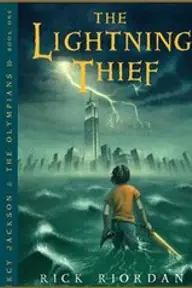
1. The Lightning Thief
Rick Riordan
Percy Jackson gets expelled from school, discovers Greek gods are alive in modern America, and learns he is accused of stealing Zeus’s master lightning bolt. The first-person voice is funny and fast, balancing mythological combat with the real frustration of feeling misunderstood. Readers who dislike sprawling cast lists or mythological action should pass. Content includes fantasy violence, mythological monsters, and parental abandonment.
Find it on Amazon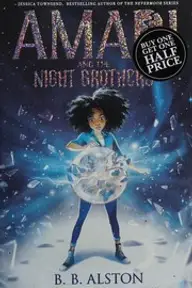
2. Amari and the Night Brothers
B.B. Alston
The emotional anchor is Amari’s search for her missing older brother, which gives the high-tech supernatural world real stakes. Amari enters a secretive summer tryout at the Bureau of Supernatural Affairs where her own rare magic makes other trainees distrust her. Skip this title if your reader prefers grounded realism over magical gadgets and secret agent agencies. Content includes supernatural peril, class prejudice, and bullying.
Find it on Amazon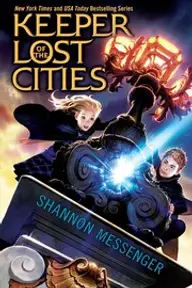
3. Keeper of the Lost Cities
Shannon Messenger
Sophie Foster has hidden her telepathic ability from humans until an elf reveals her true heritage and whisks her into a hidden civilization. The focus sits on magical school rivalries, telepathic training, and elaborate world details. Readers who want quick resolutions will find the ongoing multi-book mystery too sprawling. Content involves kidnapping threats, emotional distress, and light magical skirmishes.
Find it on Amazon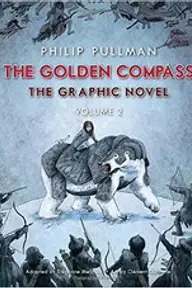
4. The Golden Compass
Philip Pullman
Lyra Belacqua lives among scholars in an alternate Oxford where human souls walk beside people as animal daemons. When children go missing in the icy north, she sets out on an expedition to find them. The prose demands patience and rewards readers who enjoy complex world logic and independent heroines. Skip this choice for reluctant readers wanting quick dialogue. Content involves sinister child experiments, animal deaths, and violent battles.
Find it on AmazonReal Life and Finding Yourself
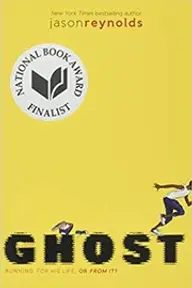
5. Ghost
Jason Reynolds
Short, electric, and told in Castle’s own blunt voice, this track-and-field story follows a boy with raw running talent who joins an elite team. Castle wants to run fast enough to escape his traumatic past, but his quick temper repeatedly threatens his spot on the track. Readers wanting fantasy quests will find the focus on neighborhood life too small. Content mentions a past shooting by a family member and petty shoplifting.
Find it on Amazon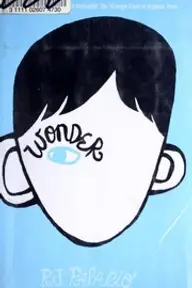
6. Wonder
R.J. Palacio
August Pullman was born with severe facial differences and enters mainstream school for the first time in fifth grade. Multiple narrative perspectives show how kindness and cruelty ripple across classmates, siblings, and friends. Readers looking for high adventure or dark humor might find the emotional tone sentimental. Content includes cruel playground teasing, name-calling, and medical procedures.
Find it on Amazon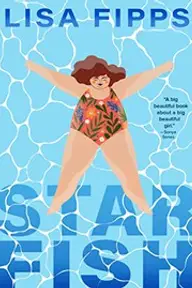
7. Starfish
Lisa Fipps
Told in clean free verse, this novel follows Ellie as she faces cruel teasing about her weight from classmates and her own mother. Ellie finds sanctuary in her swimming pool and with a compassionate therapist who helps her set clear boundaries. The spare lines make the pages turn fast for readers intimidated by dense text. Content includes persistent body shaming and emotional mistreatment by family.
Find it on Amazon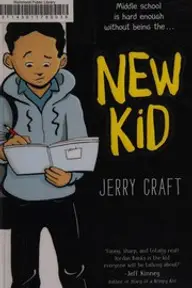
8. New Kid
Jerry Craft
Jordan Banks loves drawing cartoons and dreams of art school, but his parents enroll him in an upscale private academy where he is one of few students of color. This graphic novel uses visual humor to show the daily friction of code-switching and fitting into a new social circle. Readers who only want traditional prose may finish it too quickly. Content includes subtle microaggressions and unfair stereotyping.
Find it on AmazonMysteries and Clever Puzzles
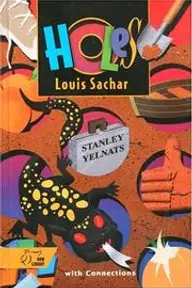
9. Holes
Louis Sachar
Stanley Yelnats is wrongfully sent to a brutal juvenile detention facility in the Texas desert, where boys must dig five-foot holes under the blazing sun. Three separate timelines lock together cleanly to reveal why the warden is digging. The dry humor keeps the harsh setting lively. Skip this pick if your reader dislikes non-linear storytelling. Content includes cruel camp conditions, dehydrating heat, and venomous animals.
Find it on Amazon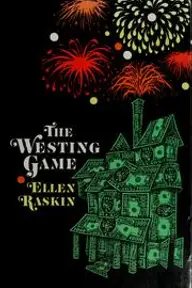
10. The Westing Game
Ellen Raskin
Sixteen heirs are summoned to an eccentric millionaire’s will reading, paired into teams, and given clues to figure out who murdered him to claim the estate. The plot works like a detailed parlor game full of wordplay, disguised identities, and misdirection. Readers who want an emotional character study will find the puzzle focus detached. Content includes minor explosions caused by firecrackers and mild injuries.
Find it on Amazon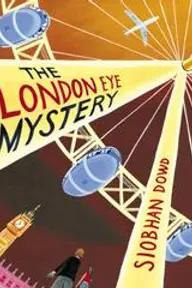
11. The London Eye Mystery
Siobhan Dowd
When their cousin Salim boards the London Eye Ferris wheel and never steps off, Ted and his sister Kat investigate his disappearance across London. Ted’s neurodivergent brain processes patterns and weather systems in ways other detectives overlook. Readers seeking high fantasy action will find this grounded city detective story quiet. Content covers a missing child, anxious family friction, and fear of heights.
Find it on Amazon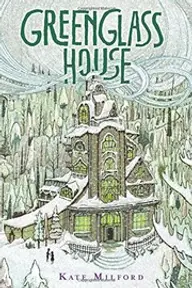
12. Greenglass House
Kate Milford
Milo lives in an eccentric inn frequented by smugglers and expects a quiet winter vacation until unexpected guests arrive with strange agendas. Milo and the cook’s daughter use a role-playing game framework to uncover hidden maps and lost heirlooms. The pace builds deliberately, which can test readers who want instant action. Content includes folkloric ghost stories, cold winter isolation, and minor thefts.
Find it on AmazonSurvival and High Stakes
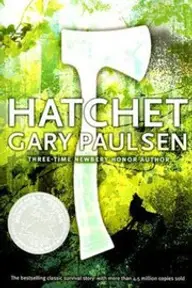
13. Hatchet
Gary Paulsen
Brian Robeson is left stranded in the Canadian wilderness with only the clothes on his back and a small hatchet after a bush plane crash. The narrative tracks physical survival through trial, error, and quiet observation of the wild. Skip this book if your reader dislikes solitary wilderness narratives with sparse dialogue. Content includes the pilot’s fatal heart attack, rough wilderness injuries, and Brian’s grief over parental divorce.
Find it on Amazon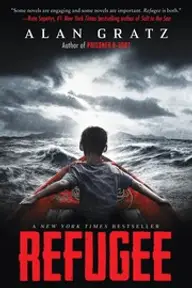
14. Refugee
Alan Gratz
Three young protagonists escape oppression in Nazi Germany, Castro’s Cuba, and modern Syria, each seeking safety across dangerous water. Short chapters and rotating perspectives create steady urgency while highlighting common threads of courage. Readers sensitive to life-or-death peril and loss might find the historical realities heavy. Content features wartime bombings, gunfire, dangerous open-sea rafts, and character deaths.
Find it on AmazonHow Seventh-Grade Reading Habits Shift
Twelve-year-old readers typically outgrow elementary school themes before they are ready for the mature content in young adult fiction. When a reader in this bracket stops finishing books, the cause is rarely decoding ability. It is usually that the characters feel too young. Middle schoolers crave agency, moral ambiguity, and competent protagonists who solve their own problems without adult intervention.
Choosing successful books at this stage requires balancing emotional maturity with narrative drive. Fast chapter endings keep interest high against digital distractions. When a novel pairs authentic middle school tension with high stakes, readers stay invested through the final chapter.
Matching Books to Your Reader’s Personality
Finding the right title depends on what kind of friction your reader enjoys on the page. Some want external hazards, while others want witty internal dialogue or complex puzzles they can solve before the characters do.
Use these personality profiles to identify where to start:
- The World Explorer: Readers who love deep lore and magic systems will sink into “Keeper of the Lost Cities” or “The Lightning Thief”.
- The Realistic Observer: Kids focused on school friendships, humor, and self-expression connect immediately with “Ghost”, “Wonder”, or “New Kid”.
- The Codebreaker: Logical thinkers who love clues and outsmarting the plot should read “The Westing Game” or “Holes”.
- The High-Stakes Adventurer: Readers who enjoy physical grit, survival skills, and fast danger belong with “Hatchet” or “Refugee”.
What to Do When a Book Does Not Land
Abandoning a book that is not working is healthy reading behavior. Forcing a twelve-year-old through a story they dislike turns independent reading into homework and slows down their reading habit. Give any new book a few chapters to establish its tone and conflict. If the protagonist or the premise has not grabbed their attention, return it to the shelf without criticism.
When an abandoned title stalls your reader, switch categories entirely. If a dense fantasy like “The Golden Compass” felt slow, pivot to the graphic novel panels of “New Kid” or the rapid free verse in “Starfish”. Alternating between visual formats, verse novels, and traditional prose keeps reading fresh and pressure-free.
Who Should Skip These Picks
These fourteen titles are calibrated specifically for twelve-year-olds transitioning out of elementary reading lists into independent chapter books. If your reader is younger or easily overwhelmed by complex plots, step back to our books for 10 year olds or explore our books for 5th graders.
Our recommendations change if your reader is already seeking out mature teen drama, explicit romance, or high school themes. Those readers will find middle-grade protagonists too young and should move into young adult collections instead. For readers in sixth grade who need slightly gentler themes, consult books for 6th graders.