Frog and Toad Are Friends, We Are in a Book!, and Mercy Watson to the Rescue are three of the strongest books for 1st graders because they match different stages of early decoding. At ReadNext, we match early reading titles by looking at font size, sentence patterns, picture support, and how story humor keeps children engaged on the page.
The fourteen picks fall into early readers, first graphic readers, beginner chapter books, and family read-alouds. First grade spans a wide developmental range, from children sounding out three-letter words to children completing full paragraphs alone.
The Best Books for First Graders
Classic & Foundational Early Readers
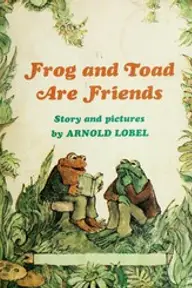
1. Frog and Toad Are Friends
Arnold Lobel
Five short stories celebrate gentle friendship through simple sentences and controlled vocabulary. The large type and warm illustrations give early decoders frequent resting points across five self-contained chapters. Skip this volume if your child demands fast physical comedy, but choose it when a reader needs comforting repetition, predictable cadence, and quiet emotional reassurance.
Find it on Amazon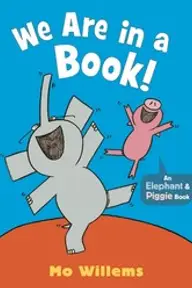
2. We Are in a Book!
Mo Willems
Elephant and Piggie discover that someone is reading their story, pulling the child directly into the comedy. Speech bubbles with color-coded lettering teach expressive dialogue without complex narration. Beginning decoders build immediate confidence reading the bold punctuation and oversized sight words. It moves fast and delights children who find dense story paragraphs intimidating.
Find it on Amazon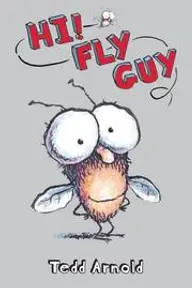
3. Hi! Fly Guy
Tedd Arnold
A boy catches a pet fly that can say his name, launching an easy-reading comedy with slapstick drawings. Short sentences, exaggerated humor, and clever phonetic wordplay appeal directly to kids who resist practice. If your student prefers serious animal adventures, pass on this silly title, but pick it when an emerging reader needs quick laughs to sustain focus.
Find it on Amazon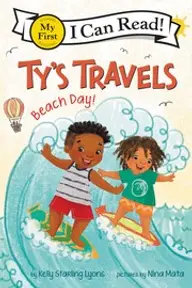
4. Ty's Travels: Zip, Zoom!
Kelly Starling Lyons
Ty transforms a regular scooter outing into a thrilling race using playful rhythm and boundless imagination. Rhythmic sentences and repeated sight words help beginning readers decode independently while full-color artwork anchors context on every spread. It provides joyful neighborhood representation for families looking for grounded, sunny early readers with relatable family interactions.
Find it on AmazonFirst Graphic Readers
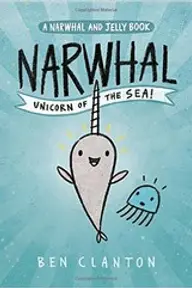
5. Narwhal: Unicorn of the Sea
Ben Clanton
A carefree narwhal and a cynical jellyfish form an unlikely friendship across three graphic mini-stories. Comic panels introduce speech bubbles and sequential visual cues that build fluency without heavy sentence walls. Children who find traditional readers dry love the waffle-loving humor and simple undersea facts sprinkled between chapters.
Find it on Amazon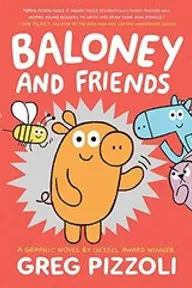
6. Baloney and Friends
Greg Pizzoli
Baloney the pig and his three quirky companions work through everyday social dilemmas through charming graphic vignettes. Greg Pizzoli uses primary colors, clear panel outlines, and expressive faces that help beginning readers interpret tone accurately. The drawing lessons at the back extend engagement for creative kids who enjoy making their own books.
Find it on Amazon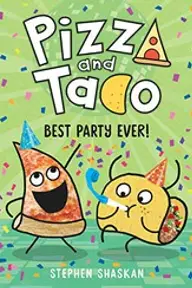
7. Pizza and Taco: Who's the Best?
Stephen Shaskan
Two food friends ask Hot Dog and Hamburger to vote on who is the best, then settle it with a water-park contest. Bright comic layouts, minimal narration, and lively speech bubbles help children track turn-taking dialogue easily. It works wonderfully for reluctant decoders who prefer graphic novel formatting over standard line-by-line reading.
Find it on Amazon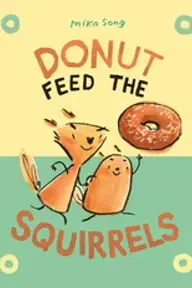
8. Donut Feed the Squirrels
Mika Song
Two hungry squirrels plot a heist on a park donut cart in this charming, slapstick graphic tale. Mika Song combines gentle watercolor art with comic book panels to keep the pacing brisk. The dialogue is brief and approachable, making it an inviting bridge for readers transitioning out of phonics drills into story-driven comics.
Find it on AmazonStepping Up to Early Chapter Books
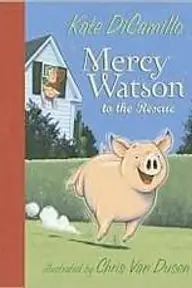
9. Mercy Watson to the Rescue
Kate DiCamillo
Mercy the buttered-toast-loving pig causes household chaos that accidentally saves her owners from an emergency. Kate DiCamillo pairs rich vocabulary with short chapters, giant font, and full-color gouache illustrations on every single page. It serves as an accessible first chapter book for children ready for longer plots without sacrificing visual comfort.
Find it on Amazon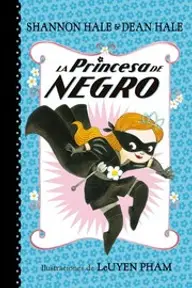
10. The Princess in Black
Shannon Hale and Dean Hale
Princess Magnolia stops monster invasions while secretly concealing her masked superhero identity from nosy visitors. Large text, plenty of color artwork, and short action-filled chapters keep momentum high for young readers. Children outgrowing picture books gain instant narrative stamina through the suspenseful chapter endings and energetic battles.
Find it on Amazon11. Dragons and Marshmallows
Asia Citro
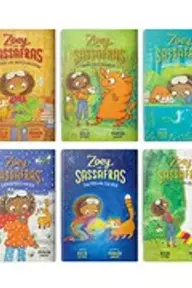
Zoey discovers she can see magical animals and uses real scientific experiments to nurse a sick baby dragon back to health. Approachable chapter lengths, a glossary of science terms, and frequent illustrations keep early readers confident throughout the narrative. It is an ideal pick for kids who love animals and testing hypotheses.
Find it on Amazon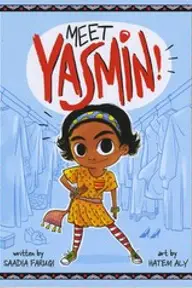
12. Meet Yasmin!
Saadia Faruqi
Yasmin is a spunky second-grader who solves everyday creative problems at school and home with her warm multigenerational Pakistani American family. Four episodic chapters feature distinct challenges like building a town map or painting art. Urdu words sprinkled throughout expand vocabulary with help from an illustrated glossary and pronunciation guide.
Find it on AmazonGreat Read-Alouds for First Graders
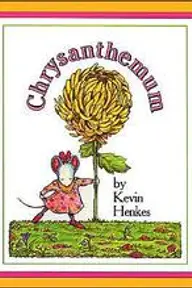
13. Chrysanthemum
Kevin Henkes
A little mouse loves her unique name until school classmates tease her on the playground. Kevin Henkes writes with musical repetition, and Chrysanthemum learns to love her name again with help from a music teacher. Read this aloud to discuss empathy and kindness.
Find it on Amazon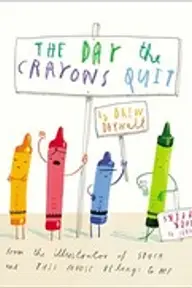
14. The Day the Crayons Quit
Drew Daywalt
Duncan discovers a stack of humorous letters written by his coloring crayons, who are exhausted, underused, or arguing over sun colors. The witty complaints give adults rich opportunities for dramatic reading voices. It sparks creative discussions and coloring activities, though independent decoders will find the handwritten script lettering difficult to read alone.
Find it on AmazonHow First Grade Reading Development Unfolds
First grade reading ability varies widely across a typical classroom. At the start of the year, many children focus entirely on phonemic awareness, sounding out three-letter words, and recognizing common sight words. By spring, those same students often track short sentences smoothly and decode unfamiliar words using context clues.
Children transition through distinct book formats as their reading muscles grow. Beginner decoders need short lines, heavy picture support, and predictable phrasing like the stories in Frog and Toad Are Friends. Graphic readers introduce speech bubbles that build expressive dialogue reading, while early chapter books expand attention spans with longer story arcs across multiple sittings.
Balancing Independent Reading and Family Read-Alouds
A child’s listening comprehension usually runs far ahead of their independent decoding capacity in first grade. Listening to complex picture books like The Day the Crayons Quit exposes students to advanced vocabulary and layered humor they cannot yet decode alone. Independent reading builds decoding stamina, while shared reading nurtures listening comprehension and curiosity.
Keep reading aloud every day, even after your child reads alone. Sit together with early chapter books, trading paragraphs back and forth when a story feels long. Hearing a fluent reader model pacing, inflection, and character voices gives early elementary students a template for their own silent and vocal reading.
Handling Reading Frustration and Stalled Momentum
When an emerging reader resists opening a book, the text often exceeds their comfortable decoding threshold. Check if the page contains more than four unfamiliar words, or if the layout uses dense paragraphs without white space. Visual fatigue causes immediate reluctance in young children whose eye tracking is still maturing.
Step down to playful graphic titles or reread a familiar favorite when confidence falters. Books like Pizza and Taco: Who’s the Best? relieve pressure because visual artwork carries half the story. Never force a reader to grind through a frustrating chapter, because preserving joyful curiosity matters far more than finishing a specific title.
Who Should Explore Other Grade Collections
Children who have not yet mastered initial consonant sounds, short vowels, and simple rhyming patterns should skip these chapter books and explore our Kindergarten Books to Read. Those earlier titles focus on foundational letter-sound awareness without overwhelming new decoders with sustained story text.
Our answer flips if your child already reads multi-chapter novels fluently without picture support. In that situation, move ahead to our Books for 2nd Graders or try the What Should I Read Quiz to discover series that provide complex mystery and fantasy plots. For children who can decode text but avoid reading independently, explore our Books for Reluctant Readers for high-interest comic picks.
Next Steps for First Grade Reading Growth
Browse the curated collections in Books to Read for Every Age and Moment to discover related books across different genres. Choose two titles, place them in a comfortable reading spot, and let your reader explore the illustrations before starting your first chapter together.