The King of Kindergarten, Chrysanthemum, and Frog and Toad Are Friends give kindergarteners the exact mix of courage, humor, and early reading practice they need as school begins. At ReadNext, we match early childhood titles on emotional truth and sentence cadence, pairing books that comfort nervous beginners with stories that reward emerging decoders.
The fourteen picks cover four jobs: first-day classroom nerves, energetic group read-alouds, early solo phonics practice, and stories about big feelings. If your child already reads multi-chapter novels independently, skip straight to books for 1st graders to keep their attention sharp.
The best kindergarten books to read, by reading stage
Starting School with Confidence
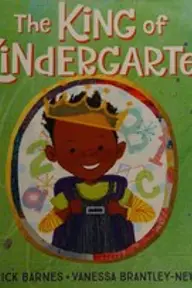
1. The King of Kindergarten
Derrick Barnes
Derrick Barnes creates a radiant morning routine for a boy who dresses himself, eats his breakfast pancakes, and heads to his very first school day wearing an invisible crown. The warm rhythm turns classroom rules, lunch trays, and playground games into an adventure. It is ideal for children with first-day jitters, while children who have attended full-day daycare for years may find the school routine familiar.
Find it on Amazon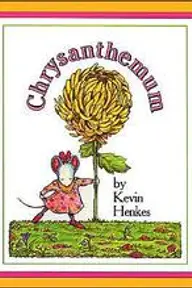
2. Chrysanthemum
Kevin Henkes
Kevin Henkes captures the sting of childhood teasing when a young mouse enters kindergarten loving her long, flower-inspired name until classmates mock it. The story handles bruised pride gently as a warm teacher helps her regain her confidence. Skip this title if your child gets unusually distressed by playground unkindness, or save it for an afternoon conversation about empathy.
Find it on Amazon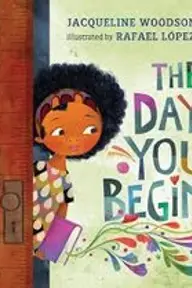
3. The Day You Begin
Jacqueline Woodson
Jacqueline Woodson speaks directly to the quiet dread of walking into a room where nobody looks or talks quite like you. Rafael López paints rich scenes that show how sharing your own small story bridges awkward differences between classmates. The reflective, lyrical tone works best for one-on-one bedtime reading.
Find it on Amazon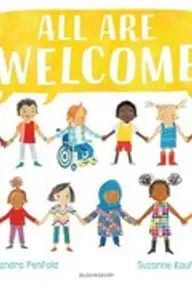
4. All Are Welcome
Alexandra Penfold
Alexandra Penfold delivers a comforting rhyming refrain that follows children in patkas, hijabs, baseball caps, and wheelchairs through a bustling school day. The simple cadence reassures nervous kindergarteners that the classroom has space for their family traditions. Children who prefer complicated storylines may find the repeating message simple, but the visual details keep emerging listeners engaged.
Find it on AmazonLaugh-Out-Loud Read-Alouds
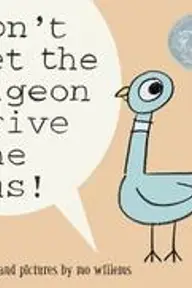
5. Don't Let the Pigeon Drive the Bus!
Mo Willems
Mo Willems puts young listeners in charge of safety by asking them to tell an unreasonable, tantrum-throwing bird no. Young children delight in enforcing boundaries they usually have to obey themselves, shouting answers back at the page. Skip this book if you need a quiet bedtime wind-down, because the comic pacing encourages loud participation.
Find it on Amazon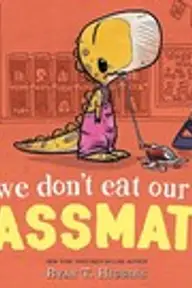
6. We Don't Eat Our Classmates
Ryan T. Higgins
Ryan T. Higgins follows a young Tyrannosaurus rex named Penelope who struggles to make human friends because they taste delicious. When a classroom goldfish bites her finger, Penelope finally understands what it feels like to be prey. It offers a funny lesson in boundary-setting, though parents of especially literal toddlers should remind them that real biting hurts.
Find it on Amazon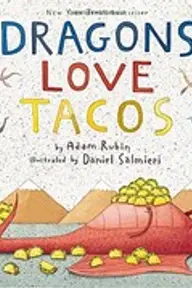
7. Dragons Love Tacos
Adam Rubin
Adam Rubin creates pure silliness around a simple party premise: giant dragons adore beef and chicken tacos, but red-hot jalapeño salsa gives them fiery bellyaches. The deadpan narrator and slapstick illustrations hold a whole kindergarten circle rapt. If you want character development or moral lessons, this book offers neither, delivering straightforward visual comedy instead.
Find it on Amazon
8. The Book with No Pictures
B.J. Novak
B.J. Novak turns the reader into an unwitting comedian by forcing any adult holding the book to recite nonsense sounds and absurd declarations out loud. Children love watching adults lose control of their dignity. It proves that plain text can make children laugh without illustrations, though children who rely heavily on picture clues will need you to model the goofy delivery.
Find it on AmazonBeginning Independent Readers
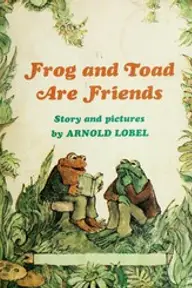
9. Frog and Toad Are Friends
Arnold Lobel
Arnold Lobel balances quiet patience with gentle humor across five short episodic stories about two devoted amphibian companions. Short sentences and recurring sight words make the text accessible for children beginning to sound out words on their own. If your reader demands fast physical action and loud jokes, Lobel’s calm woodland pace might feel slow.
Find it on Amazon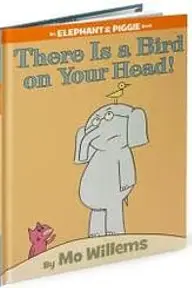
10. There Is a Bird on Your Head!
Mo Willems
Mo Willems uses speech bubbles, clear facial expressions, and color-coded text to help brand-new readers decode dialogue between Elephant and Piggie. The absurd predicament of birds building a nest atop Gerald’s head gives children an immediate visual payoff for their reading effort. Confident chapter book readers will move past it quickly, but early decoders gain huge momentum here.
Find it on Amazon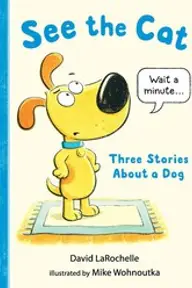
11. See the Cat: Three Stories About a Dog
David LaRochelle
David LaRochelle pairs deadpan sentences with an irritated dog named Max who must argue against the misleading narrative text appearing above him. The short sight words follow standard phonics patterns, giving early decoders independent success alongside smart meta-humor. Children who struggle with sarcasm may need a quick initial explanation of why the narrator and dog disagree.
Find it on Amazon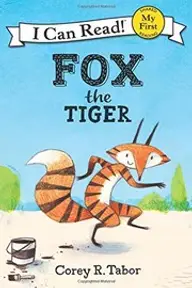
12. Fox the Tiger
Corey R. Tabor
Corey R. Tabor writes an encouraging story about a fox who paints stripes on his fur because tigers are sneaky and fast, only to discover that being a fox has its own advantages. The controlled vocabulary and large font let early readers decode without fatigue. Advanced readers might finish it quickly, but it builds pride for beginners.
Find it on AmazonWonder, Curiosity & Heart
13. Where the Wild Things Are
Maurice Sendak
Maurice Sendak honors the wild fury of childhood tantrums through Max’s imaginary voyage to an island of sharp-toothed beasts. The pictures grow until the wordless wild rumpus fills every page, then shrink as Max heads home to a warm supper. Highly sensitive children might feel unsettled by the monster teeth, so read it together during daylight hours first.
Find it on Amazon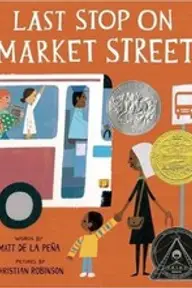
14. Last Stop on Market Street
Matt de la Peña
Matt de la Peña pairs a curious grandson with a wise grandmother who rides the city bus after church to volunteer at a soup kitchen. The dialogue shows beauty in rain puddles, bus music, and familiar neighbors without turning sentimental. Families looking for wild fantasy will not find it here, but it prompts rich conversations about gratitude.
Find it on AmazonHow Kindergarten Reading Works in Practice
Kindergarteners understand far harder stories than they can decode on their own. When an adult reads aloud, a kindergartener absorbs complex plots, learns uncommon vocabulary, and tracks emotional motives across multiple pages. When that same child sits down to read solo, their brain spends massive energy matching letter shapes to sounds, leaving little cognitive room for elaborate plots.
Keep both kinds of book on your shelf throughout the school year. Read rich picture books like The Day You Begin or Last Stop on Market Street aloud to feed their curiosity and conversational language. Keep controlled early decoders like Fox the Tiger or There Is a Bird on Your Head! nearby for short bursts of independent decoding practice.
For younger siblings who still need sturdier cardboard pages and shorter attention spans, browse Books to Read to Toddlers. Pairing complex read-alouds with simple decoders prevents the frustration that happens when children are asked to decode text far above their mechanical skill.
How to Choose Books by Personality and Pace
Select your kindergarten picks around your child’s specific temperament. Active children who struggle to sit still during storytime respond immediately to physical humor and call-and-response text. Don’t Let the Pigeon Drive the Bus! and The Book with No Pictures give them permission to shout answers and laugh out loud, turning the reading session into a shared game.
Cautious children facing real anxiety about new classrooms need books that name their fears directly. Chrysanthemum and The King of Kindergarten validate those nervous feelings while modeling positive social interactions. If your child hesitates to read solo because sounding out words feels like work, Books for Reluctant Readers offers additional strategies to spark engagement.
If your child already reads basic chapter books alone, move to books for 1st graders.
What to Do When a Pick Does Not Land
Abandoning a book after three pages is fine. Children develop reading stamina gradually, and forcing a restless young child to endure a story they dislike links books with chore-like compliance. Close the cover without judgment and try a different title tomorrow.
You can also change your approach before shelving a book permanently. Ignore the written words entirely and take a picture walk, talking about what the characters are doing in the illustrations. Let the child hold the book, turn the pages, or make up their own ending based on the art.
When an entire stack fails to connect, try our interactive What Should I Read Quiz to discover fresh matches based on specific hobbies, animals, or humor styles.
Where to Head Once These Stories Are Finished
Move into early chapter series once your kindergartener can comfortably track character choices across multiple days. Shared reading routines can expand into longer story arcs while keeping the language clear and supported by illustrations.
Check our hub of Books to Read for Every Age and Moment to plan your reading roadmap for the coming grades. Building a lifelong reader begins with keeping storytime warm, relaxed, and tuned to your child’s present interests.
Pick one book, borrow it from your library this afternoon, and read the first page together.