Dear Zoo, Little Blue Truck, and Where’s Spot? are three easy places to start with a two-year-old at storytime. These three give a toddler something to do: lift a flap, join a refrain, or find a hidden puppy.
The 14 books below fall into four groups: interactive books, rhythm and rhyme, bedtime and big feelings, and everyday life. They suit parents, caregivers, and relatives who want books that hold up to repeated readings.
Two-year-olds do well with books that invite them to join in. If your toddler cannot sit still for traditional storybook plots, begin with books that demand physical input or vocal responses before attempting longer narrative picture books.
14 Picture Books, Grouped by Reading Style
Interactive Books
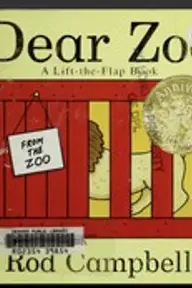
1. Dear Zoo
Rod Campbell
A child writes to the zoo requesting a pet, only to receive a series of unsuitable animals hidden behind flaps. Toddlers love lifting each flap to reveal the elephant, giraffe, or lion. The repetitive phrasing invites immediate memorization. If you dislike paper flaps that curious hands might tear, seek a heavy board edition, but interactive seekers will love it.
Find it on Amazon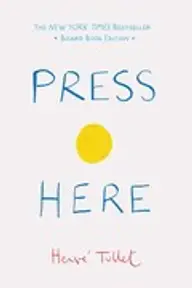
2. Press Here
Hervé Tullet
This book works like a game, with simple colored dots that shift across pages. The narrator instructs the child to press dots, rub colors, tilt the book, and clap their hands to trigger visual surprises. It requires physical movement on every turn. Skip this choice if you prefer narrative bedtime calm. Choose it for lively daytime play.
Find it on Amazon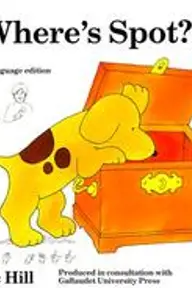
3. Where's Spot?
Eric Hill
Sally the dog searches the house for her puppy Spot. Toddlers lift flaps around the house to find what is hiding behind each one. Readers looking for complex character arcs can look elsewhere.
Find it on Amazon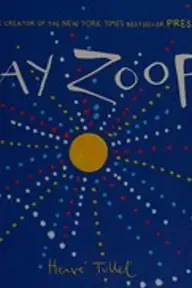
4. Say Zoop!
Hervé Tullet
Colored dots on the page prompt toddlers to make sounds with their voices, loud and soft. If you need a quiet book before naptime, save this for morning, because it encourages loud, cheerful vocal noise.
Find it on AmazonRhythm, Repetition & Read-Along
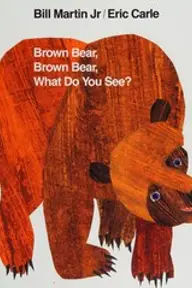
5. Brown Bear, Brown Bear, What Do You See?
Bill Martin Jr.
Bold tissue-paper collages introduce a sequence of colorful animals that identify the next creature in line. The call-and-response rhythm encourages two-year-olds to chime in before you flip each page. Skip this title if you want an unpredictable plot, but choose it to give emerging talkers confidence through predictable repetition.
Find it on Amazon
6. The Very Hungry Caterpillar
Eric Carle
A tiny caterpillar eats through an expanding menu of fruits, treats, and leaves before spinning a cocoon. Die-cut finger holes let small fingers poke through the foods as the caterpillar munches along. It introduces counting and the days of the week. Skip it if you want a book with lots of noise and action; pick it for the caterpillar’s change at the end.
Find it on Amazon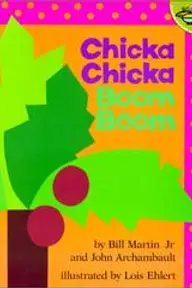
7. Chicka Chicka Boom Boom
Bill Martin Jr. and John Archambault
Lowercase alphabet letters climb a coconut tree and tumble out of it. The bouncy chant is fun to say out loud. If fast-paced, noisy rhymes feel overstimulating for your household, pick a calmer animal book instead.
Find it on Amazon
8. Little Blue Truck
Alice Schertle
A friendly blue truck rolls down a muddy country lane, greeting farm animals with cheerful beeps. When a dump truck gets stuck in the muck, teamwork and kindness save the day. The rhyming text gives children chances to mimic animal grunts and engine sounds. Skip it if your child dislikes vehicle stories.
Find it on AmazonBedtime & Big Feelings
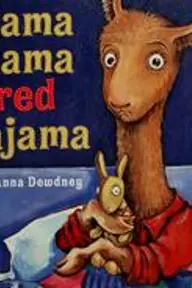
9. Llama Llama Red Pajama
Anna Dewdney
Baby Llama worries when his mother tucks him in and walks downstairs. His worry grows while he waits, and the ending is reassuring. If bedtime worries run high for your toddler, try reading it during the day first.
Find it on Amazon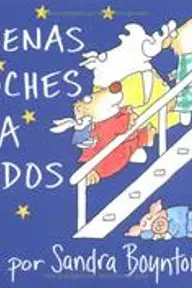
10. The Going to Bed Book
Sandra Boynton
A boatload of lively cartoon animals take a bath, put on pajamas, and brush teeth before going to sleep. The rhythmic verses combine silliness with a drowsy finish. It establishes a recognizable bedtime order that parents can mirror at home. Skip this if silly animals feel too energetic right before sleep; pick it for a lighthearted bedtime routine.
Find it on Amazon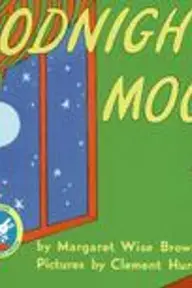
11. Goodnight Moon
Margaret Wise Brown
In a cozy green room, a sleepy bunny says goodnight to mittens, clocks, socks, and the moon outside. The alternating black-and-white drawings and saturated color pages slowly dim as night falls, creating a calm wind-down. The pacing is quiet and unhurried. If your toddler wants lots of action, they may lose focus, so save it for bedtime.
Find it on Amazon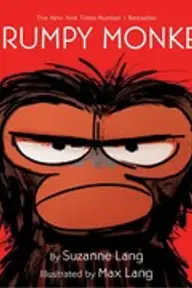
12. Grumpy Monkey
Suzanne Lang
Jim Panzee wakes up on a beautiful jungle morning feeling inexplicably sour and irritable. His friends keep trying to cheer him up, and he says he is just grumpy. The book shows that a bad mood is allowed. Avoid this if you want rhyming text, but pick it to help toddlers talk about big feelings.
Find it on AmazonEveryday Toddler Life
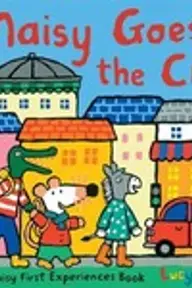
13. Maisy Goes to the City
Lucy Cousins
Maisy the mouse explores a busy city. Thick black outlines and saturated primary colors keep every street scene easy to read. Pick it for everyday-life scenes; skip it if you want whimsical fantasy.
Find it on Amazon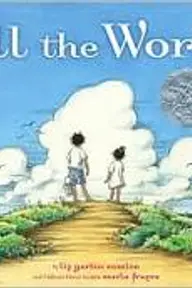
14. All the World
Liz Garton Scanlon
Rhyming verses follow families through a day, from the beach to a storm to a shared meal. The soft illustrations show toddlers how small moments connect to a wider community. Readers seeking rapid slapstick laughs should pick a sillier title like The Going to Bed Book instead.
Find it on AmazonWhat Reading Looks Like for Two Year Olds
Reading with a two-year-old is an active conversation. They point at objects, interrupt to ask questions, mimic sound effects, and demand the same story multiple times in a single afternoon.
Toddlers connect actions like pointing, lifting flaps, or repeating rhythmic phrases to the ideas on the page. With a rhyming book like Little Blue Truck, your child may start to guess the rhyming word before you turn the page.
Attention spans shift with energy and time of day, so a toddler may linger over one page in the morning and want a short bedtime story. Keeping sessions flexible keeps reading enjoyable.
How to Match Books to Your Toddler
Selecting the right title depends on matching your child’s physical energy to the narrative format. If your child treats traditional paper pages as tearing projects or struggles to stay seated, start with interactive books. Titles like Press Here or Where’s Spot? give busy hands something to do on every page.
For children dealing with daytime tantrums or evening separation distress, stories about big feelings give toddlers words for them. Llama Llama Red Pajama and Grumpy Monkey both show a child-sized feeling and a reassuring ending.
- Physical stamina: Choose a sturdy board book edition if paper pages tear during enthusiastic page turns.
- Language pace: Choose rhyming titles with repetitive refrains if your child is expanding their speech vocabulary.
- Emotional context: Use reassuring bedtime rituals like Goodnight Moon to ease evening transitions and quiet restlessness.
- Visual design: Pick illustrations with clean, bold outlines that are easy to read at a glance.
Handling Hesitant Listeners and Repetitive Demands
Some toddlers reject a book and want to pick for themselves. If your two-year-old closes the book or walks away mid-sentence, let them choose between two options you hold up before sitting down. Offering a choice between Dear Zoo and Brown Bear, Brown Bear, What Do You See? grants autonomy while preserving the reading routine.
Asking for the same book again and again is common. Repetition lets toddlers predict what happens next.
If you want to introduce new books without triggering a meltdown, pair the unfamiliar title with a book they already love. Read a little of a fresh story, then transition directly to their trusted bedtime anchor like The Going to Bed Book. For more age-appropriate picks, explore our guide to the best books to read to toddlers or find gentle options among our books for babies.
Where to Go as Your Child Grows
As your toddler approaches their third birthday, Many children start to enjoy longer stories as they near three. You can plan ahead by checking our curated list of books for 3 year olds.
If you want to tailor book choices to your family’s daily habits, try our What should I read quiz to discover fresh recommendations. You can also browse Books to Read for Every Age and Moment to discover developmental reading selections across childhood stages.