Don’t Let the Pigeon Drive the Bus, The Very Hungry Caterpillar, and Little Blue Truck are three picks that suit 3 year olds. At ReadNext, we check each title against Open Library to confirm the title and author match a real book. These stories pair clear illustrations with repeating refrains, allowing energetic children to anticipate page turns and join the storytelling.
The picks fall into four distinct categories: interactive titles that invite physical participation, concept-driven daily staples, machine and animal adventures, and bedtime and big-feelings stories. They suit shared reading sessions where an adult holds the book and the child points, shouts out answers, or traces the pictures.
Children who already follow longer stories with fewer pictures should try books for 5 year olds. Our pick changes if a toddler cannot sit still for narrative text. Press Here is the pick for that child.
Books for 3 Year Olds, Grouped by Reading Interest
Interactive & Laugh-Out-Loud
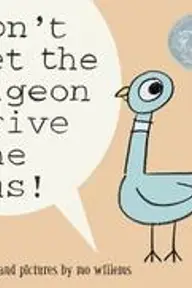
1. Don't Let the Pigeon Drive the Bus!
Mo Willems
A bus driver steps away and leaves the audience with one strict instruction: do not let the pigeon take the wheel. The persistent bird pleads, whines, and bargains directly with the listener across minimal backgrounds. Children love practicing the authority to shout back refusal. Skip this title if your child becomes overwhelmed by loud verbal back-and-forth at bedtime.
Find it on Amazon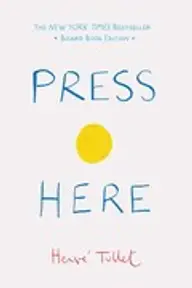
2. Press Here
Hervé Tullet
Bright painted dots multiply, shift positions, and change size in response to spoken prompts to tap, rub, or tilt the page. Hervé Tullet turns the physical act of turning pages into an illusion of tactile control. It works wonderfully for restless children who struggle with standard sitting still. Pass on this one if you need an actual character or storyline.
Find it on Amazon3. From Head to Toe
Eric Carle
Various animals display their signature physical movements, from thumping chests to bending knees, and ask the child if they can duplicate the action. Eric Carle combines vibrant collage artwork with a steady challenge-and-response pattern. It gives active toddlers a productive physical outlet during story hour. Readers looking for quiet, meditative language before a nap should choose a gentler rhythm.
Find it on Amazon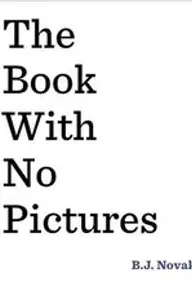
4. The Book with No Pictures
B.J. Novak
B.J. Novak strips out visual artwork and relies on an explicit rule: the adult reader must pronounce every single word printed on the page. Outlandish sounds and silly declarations turn the reading session into an absurd theatrical performance. Children who already love silly sounds laugh hardest, and the adult does the performing. You should skip it if you want visual cues to keep a child focused on their own.
Find it on AmazonEveryday Staples & Concepts

5. The Very Hungry Caterpillar
Eric Carle
A tiny caterpillar hatches, eats through an escalating menu of foods across the days of the week, and forms a cocoon. Die-cut finger holes invite curious hands to poke through each snack as the counting progression advances. The predictable structure builds an understanding of simple cycles. Families wanting unpredictable narrative suspense can look to standard storybooks instead.
Find it on Amazon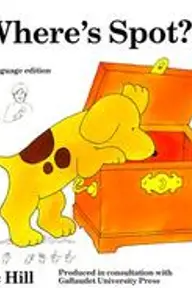
6. Where's Spot?
Eric Hill
A mother dog searches various household objects to locate her missing puppy before dinnertime. Sturdy lift-the-flap doors reveal mismatched wild animals hiding inside clocks, closets, and baskets. The simple prepositional phrases support early vocabulary while building spatial awareness. Choose a text without flaps if you worry your reader will tear delicate paper folds.
Find it on Amazon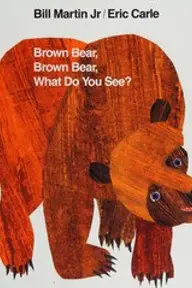
7. Brown Bear, Brown Bear, What Do You See?
Bill Martin Jr.
Rhythmic questions prompt a succession of brightly colored creatures to introduce the next animal in line. The call-and-response rhythm makes sentence patterns easy to memorize after only a few readings. Children quickly begin reciting lines before the adult reads them aloud. It provides little plot tension, so skip this pick if your child demands a traditional problem and resolution.
Find it on Amazon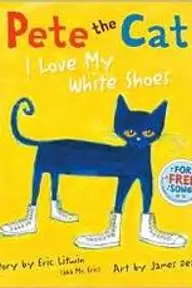
8. Pete the Cat: I Love My White Shoes
Eric Litwin
A calm cat walks down the sidewalk, stepping into piles of strawberries, blueberries, and mud that dye his clean shoes different colors. He keeps walking and singing his tune. The story offers an accessible lesson in emotional regulation alongside basic color identification. Skip this option if repetitive musical verses grate on your nerves.
Find it on AmazonAnimal Friends & Big Machines
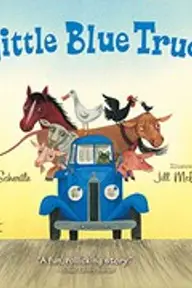
9. Little Blue Truck
Alice Schertle
A friendly pickup truck greets farm animals along a country road before working together with them to push an arrogant dump truck out of deep mud. Alice Schertle employs crisp rhyming stanzas packed with vehicle hums and barnyard animal sounds. The plot delivers a practical demonstration of cooperation and community courtesy. Avoid this book if you dislike performing vocal sound effects.
Find it on Amazon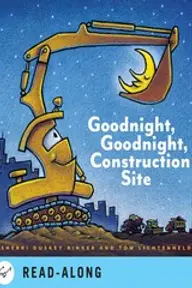
10. Goodnight, Goodnight, Construction Site
Sherri Duskey Rinker
Crane trucks, cement mixers, and bulldozers finish their daily heavy lifting, power down, and tuck into bed. Sherri Duskey Rinker uses soothing cadence and rich, dusky artwork to calm high-energy vehicle fans. The transition from industrial work to cozy rest mirrors evening wind-down routines. Children who find machinery dull will prefer a story built around humans or soft animals.
Find it on Amazon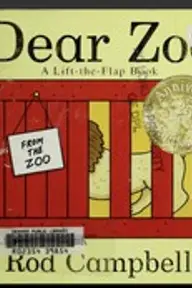
11. Dear Zoo
Rod Campbell
A child writes to the local zoo requesting a pet, but the facility sends a series of unsuitable animals that must be returned. Flaps hide an oversized elephant, a fierce lion, and a grumpy camel before the perfect companion arrives. The repeated adjectives teach descriptive concepts through tactile discovery. Readers who prefer complex narratives might tire of the predictable structure after several runs.
Find it on Amazon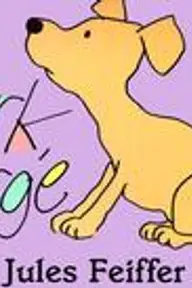
12. Bark, George
Jules Feiffer
A mother dog commands her pup to bark, only for George to meow, quack, and oink in response. A trip to the veterinarian reveals an absurd physical reason for the mixed-up sounds. Jules Feiffer keeps backgrounds sparse, focusing all attention on comic timing and dramatic facial expressions. Those seeking lyrical or cozy themes should select a bedtime title instead.
Find it on AmazonBedtime & Big Feelings
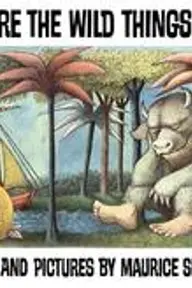
13. Where the Wild Things Are
Maurice Sendak
Max dons his wolf suit, causes mischief, and is sent to bed without supper before sailing away to rule an island of fierce beasts. Maurice Sendak captures the wild intensity of toddler frustration alongside the quiet comfort of unconditional home security. The rich crosshatch art commands visual attention. Skip this choice if your child is easily startled by toothy, horned monsters.
Find it on Amazon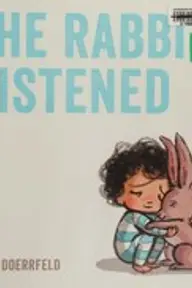
14. The Rabbit Listened
Cori Doerrfeld
Taylor builds a tall block tower that crashes to the ground, drawing advice from various animals who urge talking, shouting, or revenge. Only a quiet rabbit sits down in silence, giving the child space to feel sorrow until recovery begins. Cori Doerrfeld models patient empathy without lecturing the listener. It offers a gentle blueprint for processing grief, though families seeking wacky jokes will find it quiet.
Find it on AmazonWhat Reading Looks Like for Three Year Olds
Reading at age three centers on shared speech and physical participation. Children at this stage rarely read text independently. Instead, they track illustrations, notice color shifts, and anticipate repeating phrases that return across consecutive pages.
Attention spans expand during this developmental window, but physical restlessness remains common. Toddlers engage most reliably when a book invites them to make animal sounds, shout repeated refrains, or lift sturdy flaps.
Early literacy builds through cadence and predictable phrasing. When a book repeats a line several times, children commit the cadence to memory, chime in on the final words of a sentence, and gain confidence in their understanding of story progression.
How to Match Books for 3 Year Olds to Your Routine
Pick titles based on the child’s energy level and the time of day. High-energy mornings call for physical movement and bold comedy, while evening routines need calm rhymes that slow down breathing.
Interactive titles satisfy energetic readers who treat passive listening with impatience. Books like Don’t Let the Pigeon Drive the Bus channel wiggly energy into funny vocal participation, keeping the child centered on the physical book.
Rhyming books with trucks and friendly animals suit everyday vocabulary building. Little Blue Truck pairs rhymes with animal sounds children can copy.
- Rhythm and Rhyme: Choose verses with clear meter if your reader tends to wander off during prose.
- Tactile Elements: Pick flaps or prompt-based activities when small hands need physical tasks.
- Length: Pick stories that finish before the child loses interest.
- Emotional Relevance: Select narratives about tantrums or accidents when helping a child handle big feelings.
What to Do When a Picture Book Does Not Land
Closing a book before finishing the final page is a normal part of reading with toddlers. If a child stands up, pushes the volume away, or flips multiple pages at once, fighting for compliance only creates resentment.
Shift the interaction away from the printed text and focus on the artwork. Point out small background details, ask the child to find hidden colors, or make up your own brief captions for the illustrations.
Setting aside an unread story preserves the joy of story time. You can return to a quieter title later or explore best books to read to toddlers for shorter texts that demand less sustained focus.
Where to Go as Your Reader Grows
Children transition toward longer narrative arcs as their receptive vocabulary broadens. Once your three-year-old comfortably tracks plot twists across multiple scenes without losing interest, you can introduce more complex picture books.
For children approaching early school transitions who enjoy richer storylines and classroom settings, browse books for 5 year olds or explore kindergarten books to read to find stories tailored to rising independence.
Parents wanting to plan reading selections across multiple developmental milestones can browse our comprehensive index of Books to Read for Every Age and Moment or try the What should I read quiz to discover titles based on specific themes.