Black on White, Pat the Bunny, and Goodnight Moon give babies three different ways into reading.
The thirteen board books below fall into four groups: high-contrast patterns for newborns, touch and flap books, bouncy rhymes, and gentle bedtime reads.
Parents seeking complex plotlines or multi-sentence paragraphs should look elsewhere. These books lean on sturdy pages, clear pictures, and spoken repetition.
Board Books for Babies, Grouped by Focus
High-Contrast Visuals for Newborns

1. Black on White
Tana Hoban
Tana Hoban presents bold black shapes against plain white backgrounds. The bold contrast suits a newborn’s developing eyesight. Parents wanting spoken stories or rhyming verse will find none here.
Find it on Amazon
2. Look, Look!
Peter Linenthal
Peter Linenthal uses cut-paper art in black and white with vivid red accents to capture an infant’s developing vision. Skip this book if you want a flowing bedtime narrative.
Find it on AmazonTouch, Feel, and Interactive Play
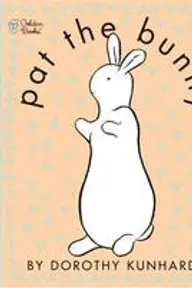
3. Pat the Bunny
Dorothy Kunhardt
Dorothy Kunhardt invites little hands to interact with textured patches, a peek-a-boo cloth, and a mirror alongside Paul and Judy. Babies can stroke the soft bunny patch and look into the mirror. Older toddlers might outgrow the brief actions quickly, but it suits babies learning to explore with their fingers.
Find it on Amazon
4. That's Not My Puppy...
Fiona Watt
Fiona Watt pairs each page with a touch patch to feel. The repeating phrase helps babies anticipate page turns while pairing sensory textures with clear descriptive words. Readers who prefer varied narrative prose may tire of the predictable structure, but the predictable structure suits babies who like touching each page.
Find it on Amazon5. Where Is Baby's Belly Button?
Karen Katz
Karen Katz uses cheerful illustrations and lift-the-flap pages. Lifting the flaps turns finding body parts into a peek-a-boo game. Rough grabbers might crease the flaps over time. Pass on this title if you dislike bright commercial art, but pick it for easy giggles and body-part recognition.
Find it on Amazon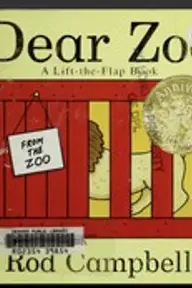
6. Dear Zoo
Rod Campbell
Rod Campbell tells the story of writing to a zoo to request a pet, prompting a delivery of crates and containers concealing unsuitable animals. Little hands lift the flaps to see which animal arrives, until the zoo sends the right pet. The repeated rejection structure builds anticipation on every spread. Skip this title if you want rich descriptive text, or select it for clear animal labels and interactive physical discovery.
Find it on Amazon7. Where's the Ladybug?
Ingela P. Arrhenius
Ingela P. Arrhenius uses soft felt flaps in a hide-and-seek format, which are easy for small, uncoordinated hands to grasp and lift. It is a simple board book, so babies who want more varied textures may find it limited.
Find it on AmazonRhythm, Rhyme, and Silly Sounds
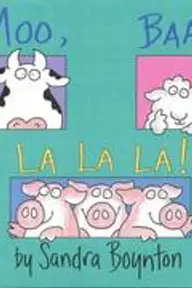
8. Moo, Baa, La La La!
Sandra Boynton
Sandra Boynton plays with animal sound conventions by introducing three singing pigs who insist on saying la la la instead of oink. The rhythm rolls smoothly off the tongue, making it easy for adults to read aloud with dramatic comedic inflection. Babies can enjoy the nonsense sounds. Skip it if you want serious educational instruction about real farm animals, or choose it for pure vocal play and shared laughter.
Find it on Amazon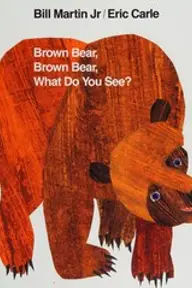
9. Brown Bear, Brown Bear, What Do You See?
Bill Martin Jr.
Bill Martin Jr. writes a call-and-response pattern paired with bold, layered tissue-paper collage artwork by Eric Carle. The hypnotic repetition of colors and creatures makes the next page easy to anticipate. If you want a story with distinct plot progression, look elsewhere.
Find it on Amazon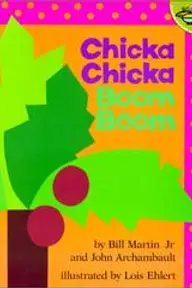
10. Chicka Chicka Boom Boom
Bill Martin Jr. and John Archambault
Bill Martin Jr. and John Archambault turn the twenty-six letters of the alphabet into a bouncing race up a crowded coconut tree. The rhythmic chant creates momentum that makes reading aloud feel musical and energetic. Avoid this choice right before sleep if you need a quiet wind-down, but use it during daytime reading for cadence and phonetic fun.
Find it on AmazonGentle Bedtime Wind-Downs
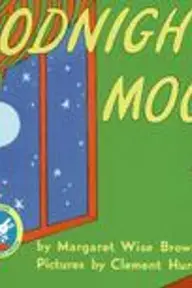
11. Goodnight Moon
Margaret Wise Brown
Margaret Wise Brown offers an evening ritual as a young bunny says goodnight to every object in a great green room. The gentle, unhurried listing of objects makes a quiet wind-down before sleep. Parents who prefer bright, zippy pacing might find the tempo old-fashioned.
Find it on Amazon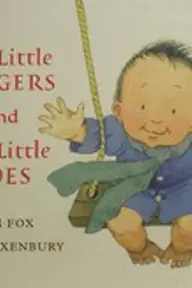
12. Ten Little Fingers and Ten Little Toes
Mem Fox
Mem Fox delivers an inclusive, lilting celebration of babies around the world who each have ten fingers and ten toes. The pictures give parents natural chances to count tiny hands and feet. Skip this title if you need interactive flaps, but select it for quiet closeness and loving physical contact.
Find it on Amazon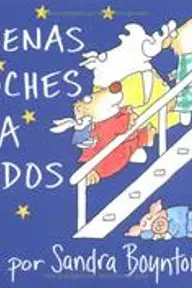
13. The Going to Bed Book
Sandra Boynton
Sandra Boynton follows a boat full of animals through a bedtime routine that includes a bath and pajamas. The steady, upbeat rhythm matches an evening routine. If your infant needs complete quiet to settle, the playful tone may feel too lively.
Find it on AmazonHow Infant Senses Shape Book Selection
Infants experience books through their ears, hands, and eyes long before understanding written vocabulary. Newborn eyesight is still developing, and bold contrast is easier for young eyes to pick out than soft colors. Black on White and Look, Look! use that kind of strong contrast.
Babies hear a lot of language when adults read aloud. Bouncy titles like Chicka Chicka Boom Boom and Moo, Baa, La La La! invite singing, pausing, and silly animal noises.
Tactile feedback bridges the gap between passive listening and active participation. Thick cardstock, felt flaps, and varied textures give uncoordinated fingers something concrete to explore.
Matching Books to Your Daily Routine
Different times of the day call for different physical book formats. Daytime floor play works best with durable, interactive books that invite grabbing, patting, and teething. Keep sensory titles like That’s Not My Puppy… and Where’s the Ladybug? within reach on tummy-time mats so babies can reach for them.
Bedtime routines suit predictable cadences and calm pictures. Reading Goodnight Moon or Ten Little Fingers and Ten Little Toes establishes a dependable acoustic cue that signals rest. A steady, unhurried voice helps mark the move from play to sleep.
Consider these practical elements when stocking an infant nursery:
- Materials: Choose dense board pages with rounded corners that withstand saliva and teething pressure.
- Flap Construction: Felt flaps are gentler on clumsy hands than paper flaps, which tear more easily.
- Vocal Rhythm: Use books with repeating choruses so tired parents can read smoothly without stumbling.
- Visual Complexity: Start with clear pictures and plain backgrounds, and add busier pages as your baby shows interest.
What to Do When a Baby Loses Interest
Babies frequently chew on page corners, swipe books out of adult hands, or crawl away mid-story. This is normal baby behavior, not a reading failure. Exploration at this age is mouth-first and motion-driven. A baby gnawing on Dear Zoo is still engaging positively with the book.
Never force a child to sit still through an entire story from front cover to back. If your infant wriggles away, continue reading the rhythmic rhymes aloud while they crawl around the carpet. They can still hear the rhythm of the words even while inspecting the leg of a chair.
Rotate books every so often to prevent boredom, keeping a few simple options in a low basket. If a board book causes frustration because a flap is too stiff to open, switch to a purely visual high-contrast title like Black on White until motor skills catch up.
Where to Go as Your Baby Grows
As babies grow, they handle books differently. Many babies start turning pages and pointing at pictures as they get older, which is a good time to try slightly longer stories.
When your infant masters basic animal noises and touch patches, explore our guide to best books to read to toddlers for the next step up in picture books. If you are shopping ahead, review books for 2 year olds and books for 3 year olds to build a lasting home library.
Parents who want more suggestions can take our What should I read quiz. You can also browse Books to Read for Every Age and Moment to plan reading selections across early childhood.