The best books to read to toddlers grab hands and ears with physical flaps, rhythmic refrains, and bold pictures, starting with “Where’s Spot?”, “Brown Bear, Brown Bear, What Do You See?”, and “Goodnight Moon”. At ReadNext, we match titles to the physical rhythm of early speech, focusing on editions that withstand repeated handling while introducing everyday words.
Early listeners respond to distinct reading experiences depending on the hour and their mood. The picks fall into active board books that invite physical participation, bouncy rhyming stories that train speech patterns, quiet bedtime poems that soothe busy bodies, and gentle reflections on daily routines.
The Best Books to Read to Toddlers, Grouped by Reading Style
Interactive Flaps & Movement
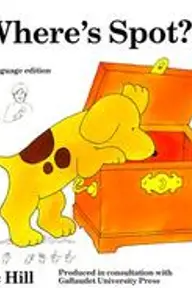
1. Where's Spot?
Eric Hill
Toddlers learn through physical hunting. Eric Hill created a simple search behind doors, inside clocks, and under rugs for a mischievous yellow puppy. The clean white backgrounds keep early eyes from feeling overwhelmed. Children who want complex storylines will find the pattern thin, but toddlers eager to lift flaps and shout animal names will ask for it repeatedly.
Find it on Amazon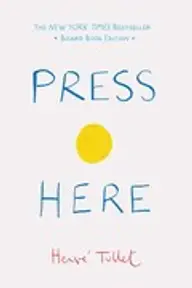
2. Press Here
Hervé Tullet
Hervé Tullet turns a standard book into an imaginative game through direct physical prompts. Toddlers press colored dots, tilt the pages, and blow on the paper to see colors multiply and shift. The book contains zero electronic components yet delivers complete interactivity. Skip this title for winding down before bed, as the energetic physical prompts actively stimulate curious minds.
Find it on Amazon
3. Plant the Tiny Seed
Christie Matheson
Christie Matheson invites little hands to press the soil, tap raindrops, and clap to make flowers sprout. The gentle artwork introduces the natural growth cycle through kinetic cues. It suits active toddlers who struggle to sit still through conventional narratives. If your reader prefers character-led plots with dialogue, choose an animal adventure instead.
Find it on Amazon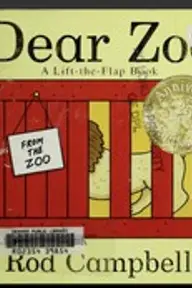
4. Dear Zoo
Rod Campbell
Rod Campbell builds anticipation through heavy crates and wrapped packages sent from a zoo. Toddlers guess which animal hides under each sturdy flap, practicing descriptive words like heavy, tall, and fierce. The repetitive refrain encourages early speech imitation. Toddlers who rip paper flaps should use the heavy board book edition under direct supervision.
Find it on AmazonRhythm, Rhyme & Wordplay
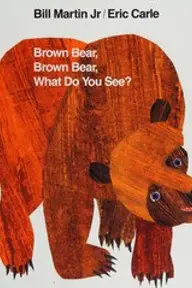
5. Brown Bear, Brown Bear, What Do You See?
Bill Martin Jr.
Bill Martin Jr. combines a steady call-and-response pattern with bright tissue paper collages. Toddlers memorize the chain of colorful animals quickly, chiming in on each page turn before they learn to read letters. It teaches color identification and animal recognition in one clean sequence. Skip this pick if you dislike repetitive reading, because children will demand back-to-back repetitions.
Find it on Amazon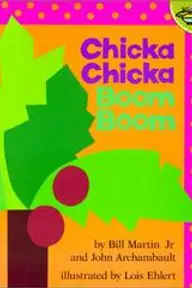
6. Chicka Chicka Boom Boom
Bill Martin Jr. and John Archambault
The bouncy rhythm turns the alphabet into a playful race up a coconut tree. Bill Martin Jr. and John Archambault pair jazz-like cadences with vivid tropical letters that tumble down in a heap. The musical phrasing holds wandering attention spans without effort. Readers looking for quiet storytelling should look to bedtime poetry instead of this high-energy chant.
Find it on Amazon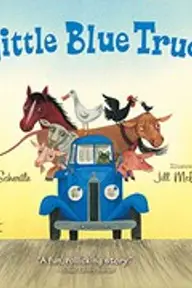
7. Little Blue Truck
Alice Schertle
Alice Schertle tells a warm story about a friendly pickup truck and the farm animals who come to help when trouble strikes. The text rolls along with cheerful vehicle sounds and animal noises that toddlers mimic naturally. It introduces community help without preaching. Families who want strictly realistic stories might pass on talking trucks, but the rhyme is easy to read aloud.
Find it on Amazon
8. Baby Goes to Market
Atinuke
Atinuke captures the sensory bustle of a southwest Nigerian market as friendly vendors slip tasty treats into a curious baby’s basket. The rhythmic counting elements weave naturally into the humor as the mother wonders why the basket feels heavy. Rich illustrations ground everyday math in warmth. Skip this book if you need a tiny pocket-sized format for stroller rides.
Find it on AmazonCozy Bedtimes & Daily Routines
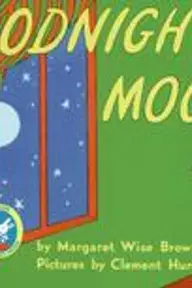
9. Goodnight Moon
Margaret Wise Brown
Margaret Wise Brown creates a soothing bedtime ritual by bidding goodnight to familiar objects across a softly dimming green room. The hypnotic poetry slows racing heartbeats at the end of a busy day. Its pacing relaxes parents just as much as children. Active morning reading calls for a punchier pick, but evening routines benefit from its quiet trance.
Find it on Amazon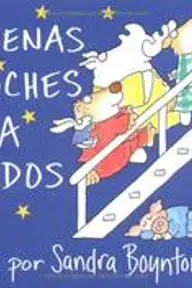
10. The Going to Bed Book
Sandra Boynton
Sandra Boynton brings playful humor to the evening bath and pajama routine with sailing animals on a boat. The steady rhyme leads from tooth-brushing straight into an absurd deck workout before the ship rocks gently to sleep. Toddlers find comfort in the dependable structure. Parents wanting a strictly calm, hush-toned bedtime story might find the mid-routine exercise too silly.
Find it on Amazon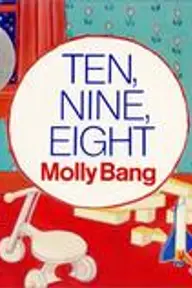
11. Ten, Nine, Eight
Molly Bang
Molly Bang crafts a gentle countdown to sleep centered on a tender evening between a father and his little girl. The illustrations focus on warm bedroom details like soft shoes, warm feet, and clean windows looking out into the night. It provides a peaceful atmosphere for winding down. Children seeking bold, slapstick comedy will find this quiet countdown too serene.
Find it on Amazon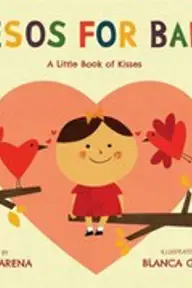
12. Besos for Baby: A Little Book of Love
Jen Arena
Jen Arena blends simple Spanish nouns into a warm rhythm of kisses from family members, pets, and the sun. The cheerful palette and gentle text offer an inviting introduction to bilingual vocabulary for young listeners. It centers on unconditional family affection. If you want a book with an active problem to solve, this sweet lullaby is not that.
Find it on AmazonEmotions & Growing Up
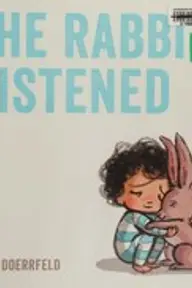
13. The Rabbit Listened
Cori Doerrfeld
Cori Doerrfeld uses plain simplicity to show how comfort works when big building blocks fall down. Various animals try offering noisy advice, but only the quiet rabbit sits nearby in calm companionship until the child is ready to rebuild. It gives parents and toddlers a shared vocabulary for overwhelming feelings. Skip this title if you only want rapid-fire alphabet rhymes.
Find it on Amazon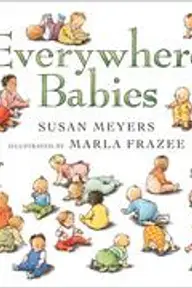
14. Everywhere Babies
Susan Meyers
Susan Meyers celebrates all the ways babies crawl, play, eat, nap, and receive love from diverse families. The bouncy rhyming lines pair with detailed, bustling illustrations of daily community life. Toddlers adore pointing at other small children doing familiar activities. Families who prefer singular character adventures over wide ensemble panoramas may want a simpler focus.
Find it on AmazonWhat Toddlers Need from Shared Reading
Toddlers engage with books through their hands and ears long before they follow complex storylines. A developing child needs strong tactile cues, heavy board pages that survive rough grip, and bold illustrations with distinct boundaries. When listening to a shared read, toddlers track musical rhythms, repeated vowel sounds, and physical flaps far better than extended spoken paragraphs.
Hearing the same phrase across several days helps a toddler pick out single words. Hearing the exact same phrase across multiple days helps young brains isolate individual words and predict what comes next. That predictability brings comfort to a child whose daily routine often feels chaotic.
Physical interaction keeps restless listeners anchored to the page. Asking a toddler to point to a red bird, tap a hidden door, or imitate a tractor sound transforms reading into active communication. That shared back-and-forth conversation matters more than completing every sentence in the printed text.
Handling Restless Listeners and Quick Hands
Expect a toddler to roam around the room while you read aloud. A child who wanders across the floor to play with building blocks is often still processing every word you speak. Forcing a toddler to sit completely still creates unnecessary friction around books.
Follow their curiosity instead of the printed narrative. If a child wants to linger on a single picture of a dog for several minutes, talk about the dog and skip the surrounding text. When quick hands flip several pages forward at once, accept the jump and continue describing whatever caught their interest.
Reading sessions work best when integrated into daily transition points. Keep small stacks of sturdy board books near the breakfast table, next to the changing pad, and beside the bed. Grabbing a brief story during snack time builds positive associations without taxing a short attention span.
Who These Books Will Not Serve
These titles cater to emerging talkers who need physical formats and minimal plot lines. Older siblings who have mastered basic sentence structure will find the simple repetitions and single-noun pages uninteresting. Children who already follow multi-character drama require longer stories with distinct narrative problems to solve.
Parents seeking advanced phonics instruction will also need a different approach. Board books build oral language awareness, auditory rhyme discrimination, and print orientation instead of direct letter decoding. For young children who have graduated from board books and want fuller stories, our collection of kindergarten books to read offers the right step upward in sentence complexity.
What Would Change Our Recommendations
Our top recommendation shifts from interactive lift-the-flap books to rhythmic verse if a child consistently tears paper flaps off the board backing during active play. In households where physical flaps create frustration or choking concerns, durable rhythm-led classics like “Brown Bear, Brown Bear, What Do You See?” or “Chicka Chicka Boom Boom” become the clear winners.
Similarly, time of day alters the best pick immediately. An energetic title like “Press Here” is ideal for morning playtime but acts as a poor bedtime story because the kinetic instructions raise excitement levels right before sleep. For nighttime routines, quiet lullabies take priority over physical games.
Next Steps as Early Readers Grow
As a child moves past the toddler stage, their storytelling needs broaden into richer chapter narratives and early social dynamics. You can explore Books to Read for Every Age and Moment to plan out titles across future developmental milestones.
When your young listener begins tracking longer storylines with multiple chapters, browse recommendations for older elementary kids, including books for 2nd graders and books for 3rd graders. If you want a tailored recommendation based on your child’s exact interests, try our What should I read quiz to discover fresh matches.