The standout books for 7th graders are Ghost for immediate sports energy, The Outsiders for timeless social grit, and Hatchet for solo wilderness survival. At ReadNext, we look at pace and voice first when matching titles for this grade level. Each title hooks readers through an unmistakable voice and steady momentum without talking down to middle schoolers.
Seventh grade marks a shift where students often drift away from reading if plots feel juvenile or drag during exposition. Readers at this age want genuine agency, relatable conflicts, and believable stakes. The fourteen titles below span realistic school drama, speculative fiction, historical survival, and visual storytelling to meet varied interests.
Fourteen Books That Hook Seventh-Grade Readers
Everyday Battles & Growing Up
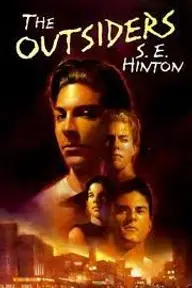
1. The Outsiders
S.E. Hinton
This classic captures the class war between working-class greasers and rich Socs in mid-century Oklahoma through Ponyboy Curtis. The bonds among the boys feel genuine, and the stakes stay grounded in real neighborhood tension. Parents should note scenes with street fights, knife violence, heavy cigarette smoking, and character deaths. Skip this pick if your reader wants lighthearted school banter or modern technology.
Find it on Amazon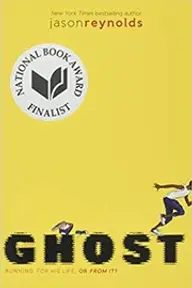
2. Ghost
Jason Reynolds
Castle Cranshaw, nicknamed Ghost, discovers his sprinting talent by accident after running from a violent home life. The first-person voice pulls readers in from the start as Ghost learns how a track team offers structure and mentorship. Reynolds keeps the humor fresh while addressing domestic trauma, poverty, and petty theft. Readers looking for high fantasy will find this realistic neighborhood setting too quiet.
Find it on Amazon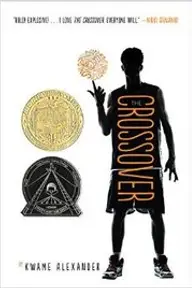
3. The Crossover
Kwame Alexander
Written in rhythmic verse, this novel tracks twin brothers Josh and Jordan Bell as their basketball dreams collide with jealousy and family health crises. The poetic format creates rapid momentum on the court that carries reluctant readers forward. It deals directly with a sudden cardiac emergency and parental loss. Readers who dislike poetry or free verse might struggle with the layout.
Find it on Amazon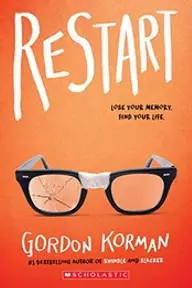
4. Restart
Gordon Korman
Chase Ambrose falls off a roof, wakes with amnesia, and discovers he was the most hated bully in school. The story shifts perspectives among Chase and his classmates, questioning whether a person can genuinely change their character. It contains depictions of past cruel pranks, physical intimidation, and peer conflict. Readers who prefer fast physical action over character redemption arcs should look elsewhere.
Find it on AmazonDystopian & Speculative Worlds
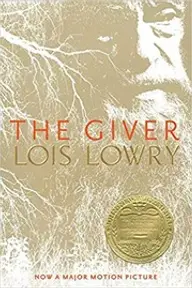
5. The Giver
Lois Lowry
Jonas lives in a seemingly peaceful community devoid of pain, choice, and color until he begins receiving humanity’s suppressed memories from the Giver. Lowry builds quiet dread as Jonas learns the grim cost of uniform safety. Parents should know the plot includes an infanticide sequence and state-sanctioned euthanasia. Skip this if a reader wants loud, explosive action battles instead of philosophical suspense.
Find it on Amazon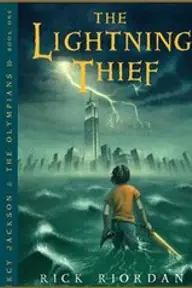
6. The Lightning Thief
Rick Riordan
Percy Jackson discovers his father is Poseidon just as Zeus accuses him of stealing the master lightning bolt. Riordan balances snarky humor, fast mythological battles, and genuine middle school awkwardness across an American road trip. The violence stays cartoonish and myth-focused, though monsters attack frequently. A reader who already read Greek myths in elementary school may find the formula familiar.
Find it on Amazon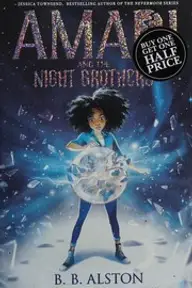
7. Amari and the Night Brothers
B.B. Alston
When her older brother disappears, Amari Peters receives an invitation to try out for the Bureau of Supernatural Affairs. Alston delivers detailed world-building with an undercover magical agency, rival trainees, and persistent mystery. The story touches on racial prejudice and economic inequality alongside magical training. Skip this title if your seventh grader dislikes hefty urban fantasy series with sprawling lore.
Find it on Amazon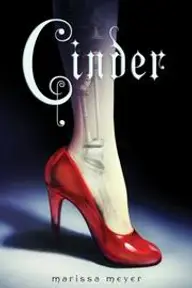
8. Cinder
Marissa Meyer
In a futuristic New Beijing, a gifted teenage cyborg mechanic becomes entangled with imperial politics during a deadly viral pandemic. Meyer maintains steady suspense by combining fairy tale elements with science fiction body modifications and social quarantine fears. It features mild romantic tension, disease outbreaks, and government cruelty. Readers who dislike speculative sci-fi or romantic subplots will want to pass.
Find it on AmazonHigh-Stakes Survival & History
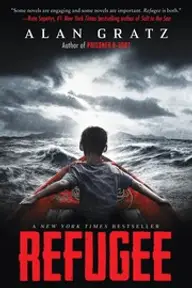
9. Refugee
Alan Gratz
Gratz weaves three survival tales across different eras, following Jewish refugees fleeing 1930s Germany, Cuban rafters in the 1990s, and a Syrian boy escaping modern Aleppo. Short chapters and relentless cliffhangers keep pages turning while developing deep historical empathy. The book includes wartime violence, shipwrecks, drowning, and character deaths. Sensitive readers who struggle with relentless trauma should take this story slowly.
Find it on Amazon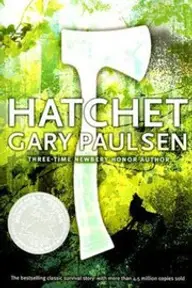
10. Hatchet
Gary Paulsen
Brian Robeson finds himself alone in the Canadian wilderness with only a light windbreaker and a hand axe. Paulsen strips away all comfort, focusing on fire-making, foraging, and pure endurance. The early scenes include the pilot’s fatal heart attack and a moment where Brian attempts suicide out of despair. Skip this if your reader prefers dialogue-heavy ensemble stories over solitary man-versus-nature survival.
Find it on Amazon
11. Peak
Roland Smith
Arrested for scaling a New York skyscraper, teenage Peak Marcello is sent to climb Mount Everest with his estranged father. Smith offers an unvarnished look at high-altitude logistics, commercial climbing greed, and intense physical strain. Content includes climbing fatalities, severe altitude sickness, and mild teenage swearing. Anyone looking for cozy mysteries or campus drama will find the freezing mountain conditions punishing.
Find it on Amazon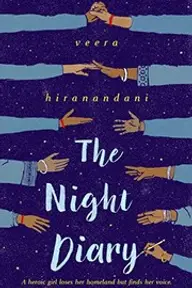
12. The Night Diary
Veera Hiranandani
Young Nisha writes letters to her late mother as her family leaves their home during the Partition of India. The epistolary format allows readers to experience historical displacement, religious violence, and quiet personal resilience through a gentle protagonist. It touches on communal riots, dehydration, and grief during a forced migration. Readers who demand explosive physical conflict might find the pacing contemplative.
Find it on AmazonVibrant Graphic Novels
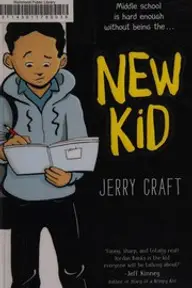
13. New Kid
Jerry Craft
Seventh grader Jordan Banks loves drawing cartoons but gets enrolled in a prestigious, non-diverse private academy instead of art school. Craft uses visual panels and humor to address microaggressions, cultural assumptions, and code-switching between neighborhoods. The format makes social nuances accessible without preachiness. Skip this if you need traditional prose without illustration or want a high-stakes survival premise.
Find it on Amazon
14. American Born Chinese
Gene Luen Yang
Yang braids three narrative strands: the ancient Monkey King legend, a middle school boy facing assimilation, and an exaggerated sitcom caricature. The threads collide in a striking climax about self-acceptance and cultural identity. The graphic novel includes intentional racial stereotypes used satirically to expose prejudice. Readers unfamiliar with visual metaphors might need guidance unpacking the satirical character.
Find it on AmazonThe Shift in Reading Habits at Seventh Grade
Seventh-grade students undergo a marked transition as reading shifts from basic skill acquisition to personal identity and choice. In earlier grades, plot momentum and simple humor often suffice to keep attention. By middle school, readers notice artificial dialogue, patronizing morals, and formulaic endings.
Students at this stage also read across vastly different maturity ranges. Some readers remain comfortable with middle grade adventures, which you can explore further in Books for 6th Graders. Others eagerly eye high school young adult fiction that tackles romance, social alienation, and moral ambiguity, similar to titles covered in Books for 8th Graders. Seventh grade sits directly on that boundary.
Success at this age relies on offering variety without forcing a specific format. A student can read an intense survival narrative one week and a visual novel the next. Giving readers ownership over their choices prevents the common middle school reading slump.
Matching Books by Format and Pacing
Matching a student with the right book format often matters more than tracking Lexile bands. A dense block of uninterrupted text can cause fatigue for an emerging reader, even if the vocabulary matches their grade level. Alternative formats provide accessible entry points that respect a seventh grader’s intellectual maturity.
Novel-in-verse titles such as The Crossover present mature emotional weight with generous white space on the page. The line breaks accelerate reading speed, giving students quick wins that build confidence. Graphic novels such as New Kid deliver layered social commentary through visual cues and body language, demanding sophisticated interpretation despite having fewer words.
When assessing pacing, watch how quickly a story establishes its central tension. Seventh graders frequently drop books that spend chapters establishing background scenery before introducing the main conflict. Books like Ghost and Refugee introduce immediate jeopardy within the opening pages, establishing rapid momentum that carries students through to the finish.
Readers Who Should Skip These Recommendations
These titles do not fit younger readers who are unprepared for mature social themes or scenes of physical peril. Stories like The Outsiders and Refugee address street violence, war fatalities, and direct human cruelty. Parents seeking gentle, conflict-free reading should look elsewhere.
Likewise, students who feel intense anxiety when facing standard chapter books may need tailored selections. If full-length novels consistently lead to abandoned books and frustration at home, review Books for Reluctant Readers for shorter entry points. Readers wanting completely customized suggestions can also try our What Should I Read Quiz to filter picks by specific interest.
When a Different Pick Takes the Top Spot
Our top recommendation changes immediately if a student struggles with dense paragraph text or prefers fantastical worlds. While The Outsiders holds historical value and deep emotional resonance, its older sentence structures and mid-century slang can stall hesitant readers.
If a seventh grader feels overwhelmed by unbroken blocks of prose, graphic novels like New Kid or fast verse like The Crossover replace The Outsiders as the primary pick. Conversely, if a reader is motivated purely by escapism and world-building, mythological adventures like The Lightning Thief take precedence over real-world neighborhood drama.
Where to Read Next
Students who finish these fourteen titles can branch into deeper read-alike collections based on specific story elements. Readers who connected with the neighborhood loyalty and moral questions of Ponyboy Curtis will appreciate Books Like The Outsiders.
If your student was captivated by the moral questions and speculative society of Jonas, explore Books Like The Giver. For readers who fell in love with Brian’s solo grit in the Canadian woods, browse Books Like Hatchet. To find reading ideas across every school transition, consult Books to Read for Every Age and Moment.
Pick one title that matches your reader’s immediate interest and test the opening pages together to find the best books for 7th graders.