Pride and Prejudice, Things Fall Apart, and The Great Gatsby are the fastest ways into classic fiction. At ReadNext, we match readers with books based on tone, pace, and structural clarity. Austen delivers sharp social dialogue, Achebe grounds a historic clash in direct prose, and Fitzgerald captures rapid disillusionment without wasting a sentence. Each of them demonstrates why certain titles outlive their original printing.
The titles are arranged into four groups based on length, era, and style. Approachable masterworks offer a quick entry point, a gothic atmosphere, or a sprawling generational saga without dense academic hurdles.
Classic Novels Grouped by Era and Style
Timeless 19th-Century Essentials
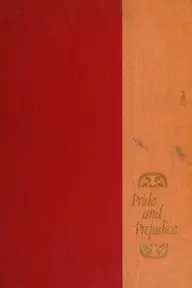
1. Pride and Prejudice
Jane Austen
Jane Austen builds an enduring romantic comedy around money, class pride, and hasty judgments. The dialogue remains crisp and modern, focusing on Elizabeth Bennet as she observes provincial society. Readers who want dry wit and relationship tension will appreciate the pacing. Skip this title if you dislike formal Regency syntax or story structures driven entirely by domestic conversation.
Find it on Amazon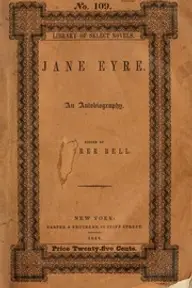
2. Jane Eyre
Charlotte Brontë
Charlotte Brontë combines a coming-of-age story with gothic atmosphere and moral resolve. Jane survives a harsh school and takes a governess post at Thornfield Hall, where dark family secrets surface. The narrative voice feels urgent and immediate. Sensitive readers should note depictions of emotional cruelty in childhood, gothic dread, and a house fire that causes physical injury.
Find it on Amazon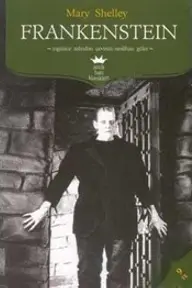
3. Frankenstein
Mary Shelley
Mary Shelley created the cornerstone of science fiction with this philosophical horror novel. Victor Frankenstein animates a creature from discarded tissue, then flees the moral consequences of his ambition. The book focuses on isolation, scientific duty, and cruelty. Content includes bodily desecration, murder, and deep psychological anguish. Readers expecting a simple monster movie will find a deliberate, tragic debate about parental neglect.
Find it on Amazon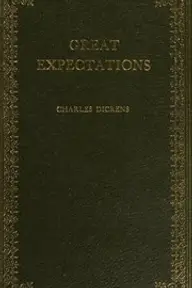
4. Great Expectations
Charles Dickens
Charles Dickens follows Pip from rural marshes to wealthy London society after an unknown benefactor intervenes. The story features memorable eccentrics like Miss Havisham alongside observations on ambition, social snobbery, and personal loyalty. There are scenes of convict threats and domestic manipulation. If Victorian subplots and slower pacing test your patience, this novel requires deliberate reading time.
Find it on Amazon20th-Century Masterworks
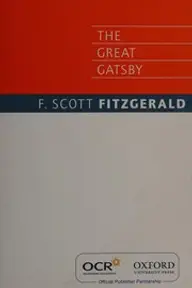
5. The Great Gatsby
F. Scott Fitzgerald
F. Scott Fitzgerald critiques class and obsession across Long Island during the Roaring Twenties. Nick Carraway narrates Jay Gatsby’s relentless quest to reclaim Daisy Buchanan amid glittering parties and careless wealth. The prose moves swiftly with striking imagery. The narrative includes marital infidelity, physical domestic abuse, sudden vehicular violence, and murder. Readers who need morally admirable protagonists will find few here.
Find it on Amazon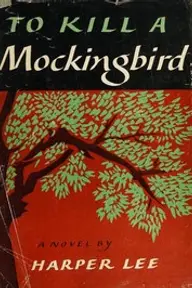
6. To Kill a Mockingbird
Harper Lee
Harper Lee explores racial injustice and childhood innocence through Scout Finch in Depression-era Alabama. While her father defends a Black man falsely accused of rape, Scout and her brother observe adult prejudice firsthand. The book examines institutional injustice alongside moral growth. The plot contains heavy racial slurs, intense courtroom drama around sexual assault allegations, and mob violence. It remains an accessible historical novel.
Find it on Amazon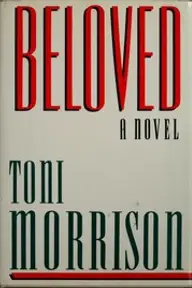
7. Beloved
Toni Morrison
Toni Morrison presents a devastating examination of the psychological aftermath of slavery. Set in Ohio, Sethe lives in a house haunted by the spirit of her deceased daughter. Morrison’s prose is lyrical and challenging, circling memory, guilt, and maternal love. The novel contains graphic depictions of racial violence, enslavement trauma, sexual assault, and infanticide. Readers seeking light or linear storytelling should look elsewhere.
Find it on Amazon8. One Hundred Years of Solitude
Gabriel García Márquez
Gabriel García Márquez chronicles the Buendía family across generations in the mythical town of Macondo. The novel defines magical realism, blending political upheaval with flying carpets, prophetic manuscripts, and recurring family tragedies. Readers who enjoy rich, cyclical storytelling will love the world-building. Note themes of incest, wartime executions, and explicit sexual encounters. A character chart helps prevent confusion over repeating names.
Find it on AmazonShort & Accessible Classics
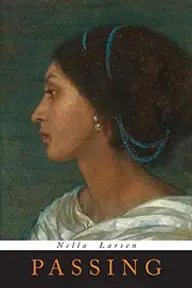
9. Passing
Nella Larsen
Nella Larsen delivers a sharp psychological study set during the Harlem Renaissance. Two childhood friends reunite by chance in Chicago, each having chosen a different path regarding race, class, and social survival. Irene watches Clare move through dangerous white social circles while risking exposure. The narrative contains racial tension, jealousy, and an ambiguous fatal plunge. It offers a concise, intense reading experience that finishes in a single sitting.
Find it on Amazon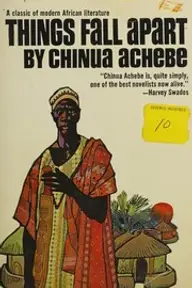
10. Things Fall Apart
Chinua Achebe
Chinua Achebe depicts Igbo society before and during the arrival of British colonial administrators and missionaries in Nigeria. Okonkwo strives for personal status through physical strength and cultural dominance, but rigid pride leaves him unable to adapt to sudden changes. Achebe writes in clean, direct prose. Content includes wife-beating, a ritual killing, colonial repression, and suicide. It is an ideal entry point into global classics.
Find it on Amazon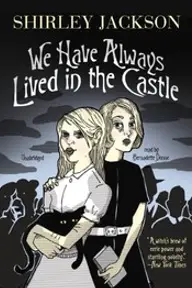
11. We Have Always Lived in the Castle
Shirley Jackson
Shirley Jackson crafts an unsettling gothic mystery centered on Mary Katherine Blackwood and her sister. The family lives isolated in their ancestral home after an arsenic poisoning killed their relatives. Merricat’s strange internal logic and hostile village encounters create steady suspense. Content features arson, mob cruelty, and references to murder. Readers wanting clear heroic figures should pass on this unreliable, eccentric narrator.
Find it on AmazonModern & Future Classics
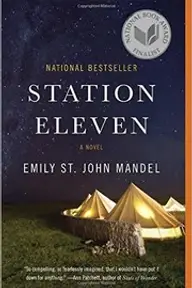
12. Station Eleven
Emily St. John Mandel
Emily St. John Mandel follows a traveling theater troupe performing Shakespeare across Michigan after a devastating flu wipes out civilization. The story alternates between the final days before the pandemic and decades into the aftermath, celebrating art and memory. Content includes widespread illness, societal collapse, and encounters with a violent cult. It suits readers who prefer hopeful post-apocalyptic stories over grim survival horror.
Find it on Amazon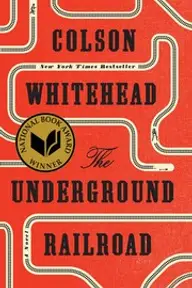
13. The Underground Railroad
Colson Whitehead
Colson Whitehead reimagines the antebellum escape network as an actual subterranean locomotive system. Cora flees a brutal Georgia plantation and travels through different states, discovering distinct forms of racial oppression at every stop. Whitehead pairs historical reality with speculative allegories. Content includes graphic plantation cruelty, torture, mob lynchings, and sexual assault. The book demands strong emotional stamina.
Find it on Amazon
14. Pachinko
Min Jin Lee
Min Jin Lee tracks four generations of an ethnic Korean family living in Japan across the twentieth century. Beginning with Sunja’s fateful pregnancy in a small fishing village, the narrative explores exile, discrimination, resilience, and personal ambition. The storytelling is expansive, immersive, and plain about hardship. Content includes wartime rationing, institutional bigotry, sexual violence, and suicide. It rewards readers who enjoy immersive family epics.
Find it on AmazonHow to Choose Your First Classic Novel
Starting with classic literature often feels daunting because readers choose books assigned for academic study instead of titles matching their narrative taste. If you enjoy character studies and sharp social observation, 19th-century domestic fiction like Jane Austen provides dry humor with accessible language. If you want high narrative drive, gothic works such as Frankenstein move with philosophical tension.
Pacing varies widely across historical eras. Victorian novels were originally published as serials, so authors developed sprawling casts, side plots, and multiple cliffhangers to maintain audience interest over several months. In contrast, twentieth-century authors leaned toward economy, tighter perspectives, and subtext. Matching your existing reading preferences to the period helps prevent early reading slumps.
Approaching Dense Prose and Historical Context
Unfamiliar vocabulary and periodic sentence structures create the initial friction for modern readers tackling older novels. Reading five to ten pages without stopping for every archaic word allows you to grasp the author’s natural cadence. Most sentences reveal their meaning through context, and stopping repeatedly breaks narrative momentum.
Audiobook editions offer a practical solution for books with dense sentence structures. A skilled narrator parses complex Victorian clauses and clarifies dry comedic timing, which makes novels like Great Expectations much easier to follow. Digital editions also provide built-in dictionaries that define period-specific terms without pulling you away from the page.
Who Should Pick Other Reading Material
Readers who demand rapid plot twists, short sentences, and contemporary worldviews will find many traditional classics slow and frustrating. If you need clean moral boundaries or modern conversational rhythms, older works often disappoint with extended descriptive passages and dated social assumptions.
If you find historical fiction unappealing right now, try exploring our curated lists of books for teens or take our What should I read quiz to discover contemporary stories that match your immediate reading mood. If you only have a hour or two, start with Passing or We Have Always Lived in the Castle instead of Great Expectations.
What Gives a Classic Novel Staying Power
A novel earns classic status when its exploration of human motives outlives the social conditions of its era. Jane Austen wrote about dowries and estate entailment in rural England, yet readers still connect with Elizabeth Bennet’s quick temper and Darcy’s stiff awkwardness. The specific historical circumstances provide setting, but the underlying psychological tension remains familiar.
Modern inclusions like Pachinko and Station Eleven prove that literary endurance is not limited to books printed centuries ago. When an author captures generational sacrifice or cultural reinvention with technical precision, the work continues to provoke conversation long past its publication cycle.
- Psychological realism that reflects human relationships regardless of century
- Clear authorial voice that sustains reader attention across challenging themes
- Thematic depth that accommodates fresh interpretations by subsequent generations
Next Steps for Your Reading List
Once you finish an older novel, continuing within the same thematic lineage maintains your momentum. If you loved the romantic tension and social satire of Pride and Prejudice, explore books like Pride and Prejudice for related period romances and witty comedies of manners.
Readers who appreciated the atmospheric disillusionment of the Jazz Age can move directly to books like The Great Gatsby. If your goal is a wider literary project, explore books to read before you die or browse Books to Read for Every Age and Moment.