This list of 14 book club books for men moves past the usual picks, with nonfiction, literary fiction, thrillers and science fiction. Endurance, Undaunted Courage and The Secret History are three to start with, because each gives members one specific question to argue over. The first two are true stories that raise questions about leadership and cost, and the third is a campus murder told from the start.
The 14 picks fall into four genre groups: nonfiction and history, literary and historical fiction, thrillers and mysteries, and science fiction for debate. We do not publish page counts, so check the length of your own edition. Each entry gives a discussion hook and a plain content note.
This list is for adult men’s or mixed book clubs. Several picks carry notes for graphic violence or sexual content, so check each content note before the vote.
Book Club Books for Men, Grouped by Genre
Nonfiction and history

1. Endurance: Shackleton's Incredible Voyage
Alfred Lansing
Alfred Lansing’s account of Shackleton’s expedition is a survival story marked by shipwreck, starvation and freezing conditions. The discussion pulls toward leadership: what the leader asked of his men, and what each member would have done in the same position. Skip it if your club wants fiction or a fast plot. The content note flags shipwreck, starvation and freezing conditions.
Find it on Amazon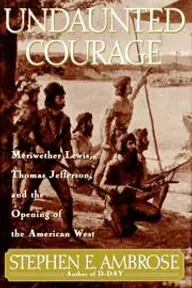
2. Undaunted Courage
Stephen E. Ambrose
Stephen E. Ambrose’s narrative is about Lewis and Clark. Its main hook for a club is the argument it starts about expansion and what that expansion cost. Skip it if your group wants a pure adventure story. The content note flags violence against Native peoples during westward expansion.
Find it on Amazon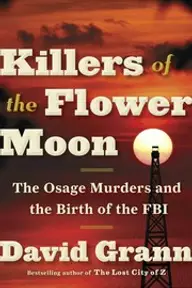
3. Killers of the Flower Moon
David Grann
David Grann’s investigation into the murders of Osage people asks a club to weigh justice, greed and institutional failure. Skip it if members want to avoid racial violence altogether. The content note flags murders of Osage people and racial violence, with some graphic descriptions.
Find it on Amazon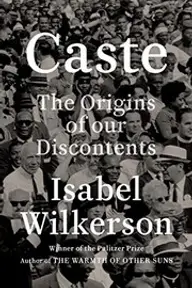
4. Caste: The Origins of Our Discontents
Isabel Wilkerson
Isabel Wilkerson’s argument about hierarchy gives the club a thesis to test. Members can ask whether her framework explains events they already know. Skip it if you want narrative momentum, since this is an argument first. The content note flags racial violence, including lynchings, described in detail.
Find it on AmazonLiterary and historical fiction

5. Stoner
John Williams
John Williams’s novel follows an ordinary academic life, and its quiet sadness drives the discussion. Members can ask whether a quiet life like his counts as a failure or a success. Skip it if your club wants a fast plot. The content note flags infidelity and an emotionally abusive marriage.
Find it on Amazon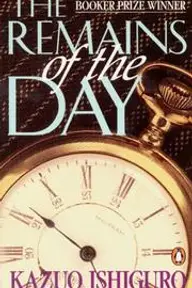
6. The Remains of the Day
Kazuo Ishiguro
Kazuo Ishiguro’s narrator is a butler, and his account of his own choices is the center of the book. The debate turns on whether an unreliable narrator’s account of his own choices can be trusted. Skip it if you want direct action. The content note flags sexual repression and wartime politics.
Find it on Amazon
7. Hamnet
Maggie O'Farrell
Maggie O’Farrell’s reimagining of Shakespeare’s household centers on grief and what art does with it. Skip it if your group wants a light read, since the book is emotionally harrowing. The content note flags the death of a child and plague.
Find it on Amazon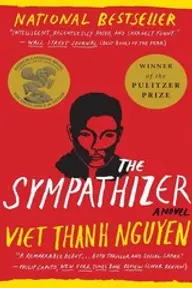
8. The Sympathizer
Viet Thanh Nguyen
Viet Thanh Nguyen’s novel about war, identity and loyalty asks where a person’s allegiance should sit. Skip it if you want a light read. The content note flags war violence, torture and graphic sexual content.
Find it on AmazonThrillers and mysteries

9. The Secret History
Donna Tartt
Donna Tartt’s campus murder is told from the start, so the discussion turns to guilt and moral responsibility. Members can split on how much blame each character carries. Skip it if graphic violence and drug use are off the table. The content note flags murder, suicide, drug use and graphic violence.
Find it on Amazon
10. The Name of the Rose
Umberto Eco
Umberto Eco’s medieval monastery mystery packs ideas about faith, reason and power into a whodunit. Skip it if you want a plain thriller. The content note flags multiple murders, the Inquisition and some sexual content.
Find it on Amazon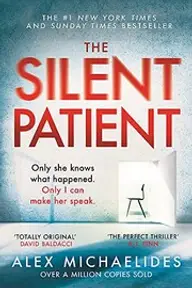
11. The Silent Patient
Alex Michaelides
Alex Michaelides’s psychological thriller is a fast read that gives a club something to argue about once the twist lands. Skip it if violence against women is a line your group will not cross. The content note flags violence against women and a violent death.
Find it on Amazon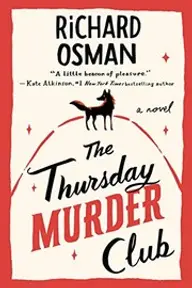
12. The Thursday Murder Club
Richard Osman
Richard Osman’s cozy mystery has sharp characters, is easy to finish and gives members plenty to say quickly. Skip it if you want a serious or challenging book. The content note flags murder and some violence; otherwise mild.
Find it on AmazonScience fiction for debate

13. Dune
Frank Herbert
Frank Herbert’s Dune is built around power, religion and ecology, which rewards a long, argumentative discussion. A club can split the discussion across more than one meeting. Skip it if you want a light plot. The content note flags war, violence and some sexual content.
Find it on Amazon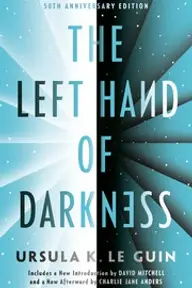
14. The Left Hand of Darkness
Ursula K. Le Guin
Ursula K. Le Guin’s novel takes on gender, politics and diplomacy. Skip it if your group wants a fast, action-driven story. The content note flags some sexual content and violence.
Find it on AmazonHow to Pick Book Club Books for Men Across a Season
Choose a genre group first, then pick a title from it. A club that just finished a thriller can move to the nonfiction group next, so the season alternates between argument and story without a vote on every genre.
No page count or reading time is published for these titles. Count the pages in your own copy, enter that number into the reading time calculator, and compare the estimate with the weeks between meetings to see whether the pace is realistic.
Once the order of titles is set, lay out the dates with the book club edition planner.
- Name a genre group the club has not read from recently.
- Read the content note for each title aloud before the vote.
- Put two titles from that group to a vote.
How to Run a Discussion Around a Pick
Open the meeting with the content note, then ask the hook question for the title. Each entry above names the question the book is built to argue.
Ask one question at a time and let members disagree before you add another. Write down the disagreement that is still open at the end of the meeting, so the next meeting starts from it.
- Endurance: What would you have asked of the men on that expedition, and what would you have refused?
- Undaunted Courage: Was the expansion worth its cost, and who paid it?
- The Secret History: Who carries the guilt, and does belonging to a group change that?
- Dune: Which power struggle in the book was avoidable?
When Members Disagree About a Pick
If a member objects to a title, swap in another from the same genre group instead of reopening the whole season.
Each of the first three genre groups has at least one title with a milder note, such as Endurance, The Remains of the Day or The Thursday Murder Club.
When members split over the book itself, let the split run for the whole meeting. Ask the member who disliked it to name the passage where they lost interest. If a member does not finish the title, the meeting can still go ahead, and the club can ask what they read and what they thought of it.
Content Notes for Sensitive Members
Endurance flags shipwreck, starvation and freezing conditions, and The Remains of the Day flags sexual repression and wartime politics; neither is flagged for graphic content here.
Four picks flag graphic content: Killers of the Flower Moon, Caste, The Secret History and The Sympathizer. Dune flags war, violence and some sexual content, and The Left Hand of Darkness flags some sexual content and violence; a club that rules those out should drop the whole science fiction group.
Other notes flag subjects that some members may need to avoid: the death of a child in Hamnet, violence against women in The Silent Patient and an abusive marriage in Stoner. Share the content note with the group before the vote, so a member who objects can say so before the book is chosen.
Matching a Genre to What Your Club Wants
A club that wants to argue about history, power or responsibility should start in the nonfiction and history group. Each title there poses a question the group can answer in different ways.
A club that wants a mild content note can look at The Remains of the Day in the literary group or The Thursday Murder Club in the thrillers group, which is noted as otherwise mild. A club that wants a long, argumentative discussion should pick Dune.
If your club rules out one whole group, at least 10 picks remain, because the largest group has four titles. For a group with a favorite, books like Dune, books like The Secret History and books like The Silent Patient list read-alikes. Readers who want more twists can browse psychological thriller books.
For the wider reading list, see books for men to read and book club books. If the club still cannot choose, see the What should I read quiz. Start with one genre group this month and put two of its titles to a vote.