InvestiGators, Guts, and Amulet: The Stonekeeper are three places to start: a comic about alligator secret agents, a memoir about anxiety, and a fantasy adventure.
Fourteen titles are grouped into four styles: funny early reads, memoirs and realistic stories about growing up, fantasy adventures, and supernatural stories.
Graphic novels ask a reader to follow the pictures and the words together, and they count as reading in their own right.
Graphic Novels for Kids, Grouped by Style
Funny & Fast-Paced for Younger Readers
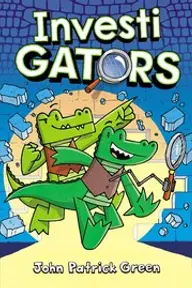
1. InvestiGators
John Patrick Green
Mango and Brash are alligator secret agents who travel through sewers solving crimes. Full-color panels pack visual jokes, silly puns and fast-moving investigations. Skip this title if you prefer serious realism or gentle domestic pacing, but pick it for reluctant readers who want non-stop goofy energy.
Find it on Amazon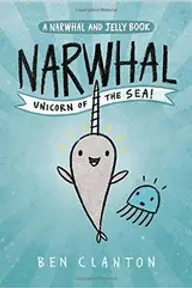
2. Narwhal: Unicorn of the Sea
Ben Clanton
A sunny, happy-go-lucky narwhal forms an improbable friendship with a jellyfish. The book is an early graphic reader built around their friendship. Readers looking for a long quest story or continuous multi-chapter plots should look elsewhere.
Find it on Amazon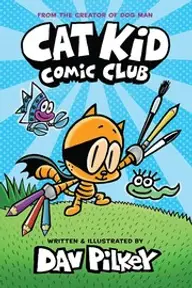
3. Cat Kid Comic Club
Dav Pilkey
A group of baby frogs makes their own comics. The book is a comic about making comics and may inspire kids to write and draw their own. Skip it if you want a traditional mystery plot.
Find it on Amazon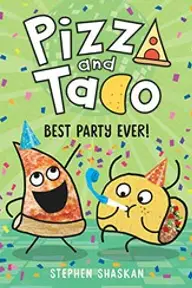
4. Pizza and Taco: Who Shall Be the Best?
Stephen Shaskan
Two food friends, Pizza and Taco, compete over who is the best. The panels are clear and the vocabulary is simple, which suits newly independent readers. Skip this choice if your reader already handles dense middle-grade chapters, but pick it as an early transition into sequential art.
Find it on AmazonReal Life & Growing Up
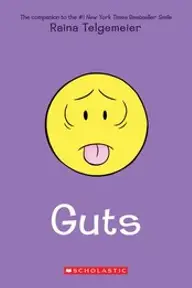
5. Guts
Raina Telgemeier
A memoir about a girl dealing with stomach trouble and anxiety. It shows panic attacks and medical worry, so sensitive readers may want to read with a parent. There is no fantasy here.
Find it on Amazon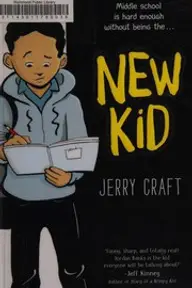
6. New Kid
Jerry Craft
Jordan Banks dreams of art school but instead enters an elite private academy where he is one of the few students of color. The story deals with microaggressions, race, class and fitting in, with humor throughout. Skip it if you want quick slapstick comedy.
Find it on Amazon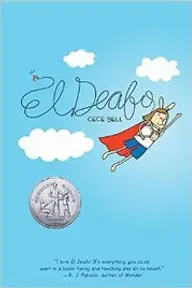
7. El Deafo
Cece Bell
After childhood illness causes severe hearing loss, the author must wear a bulky Phonic Ear hearing aid to school. To process feelings of isolation, she imagines herself as a caped superhero dealing with classroom misunderstandings and awkward friendships. The characters are drawn as rabbits. Readers who dislike memoir formats or historical technology might take longer to engage.
Find it on Amazon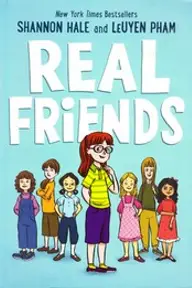
8. Real Friends
Shannon Hale
This frank graphic memoir follows a girl trying to maintain her footing within shifting elementary school social hierarchies and friend cliques. It deals with social exclusion and anxiety about belonging. Because the story deals directly with relational bullying, some scenes can feel emotionally heavy for younger children. Pick this for conversations about school friendships.
Find it on AmazonFantasy & Epic Adventures
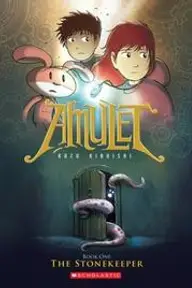
9. Amulet: The Stonekeeper
Kazu Kibuishi
Following family tragedy, Emily and Navin move to a mysterious ancestral home and rescue their mother from a sinister subterranean world. Emily carries a magical amulet and meets robots, walking houses and monsters. Expect fantasy suspense. Skip this book for very young readers sensitive to creature peril or grief.
Find it on Amazon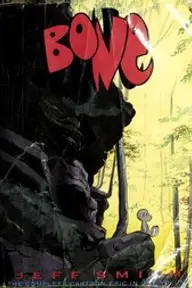
10. Bone: Out from Boneville
Jeff Smith
Three cartoon cousins are run out of their hometown and separated in a sprawling, mysterious valley filled with monsters and dragons. The book mixes cartoon humor with high-fantasy adventure. It has mild cartoon combat and scary rat creatures. Those wanting quick standalone school stories might find a multi-book saga intimidating to start.
Find it on Amazon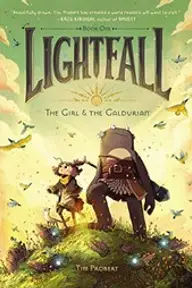
11. Lightfall: The Girl & the Galdurian
Tim Probert
Bea, an anxious young girl, searches for her missing grandfather with a Galdurian named Cad. It is a fantasy quest about an anxious heroine. Readers wanting nonstop battle scenes may find it slower.
Find it on Amazon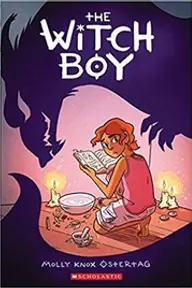
12. Witch Boy
Molly Knox Ostertag
In Aster’s family, girls are raised to be witches while boys are trained to be shapeshifters. Aster feels drawn to magic spells even though boys in his family are not supposed to practice them. The book deals with gender expectations in a family tradition. Skip it if you dislike magical worldbuilding.
Find it on AmazonMysterious & Supernatural Worlds
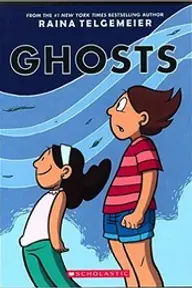
13. Ghosts
Raina Telgemeier
Catrina moves to a foggy coastal town with her family to help her younger sister Maya, who has cystic fibrosis. Local residents embrace real spirits during Day of the Dead traditions, and Catrina has to face her fears about her sister’s illness. It handles family love and chronic illness with sensitivity and colorful art. Readers sensitive to childhood medical vulnerability should read with an adult.
Find it on Amazon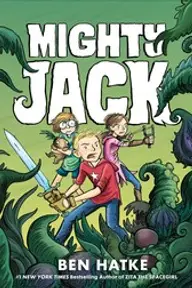
14. Mighty Jack
Ben Hatke
Jack gets strange seeds at a flea market, and they grow into a wild garden full of magical creatures. With his sister and a friend, he has to deal with the monsters that come with it. Some creature scenes are scary. Skip this if you prefer quiet realistic memoirs.
Find it on AmazonHow to Choose Graphic Novels by Reading Stage
A child entering graphic storytelling often needs clear panel gutters, minimal text, and high visual context to connect actions with spoken words. Books with chaotic page layouts or dense lettering can overwhelm an emerging reader before they develop tracking habits.
For younger children and newly independent readers, look for clear panels and large speech bubbles. Stories like Pizza and Taco: Who Shall Be the Best? and InvestiGators are a good place to practice reading panels from left to right and top to bottom. Once readers track sequences comfortably, they can move on to longer memoirs and fantasy adventures.
Readers ready for middle-grade themes can try New Kid and Guts, which deal with fitting in and anxiety.
- Early Readers: Look for clear panels, large speech bubbles and humor that the pictures explain.
- Developing Readers: Try the chapter-style adventures once the early picks feel easy.
- Middle Grade Readers: Pick the fantasy adventures or realistic memoirs, and check each content note first.
Matching Book Format to Reading Stamina
Graphic novels can suit a reader who resists thick chapter books, because the pictures give context for the words. How busy the pages are varies from title to title.
When a child finishes a book like Narwhal: Unicorn of the Sea, that completion can build confidence and make the next book easier to pick up.
If a reader handles visual stories easily but struggles with lengthy prose novels, mix formats throughout the week. Pair graphic memoirs with audiobooks or alternate illustrated chapters with short traditional stories. You can explore books for 3rd graders or books for 2nd graders for accessible, confidence-building options across different narrative styles.
Content Considerations for Families and Classrooms
Visual storytelling conveys emotional distress and fantasy violence directly, making sensitivity awareness necessary for certain age groups. When an illustration depicts a frightening creature or a painful social rejection, a scary or painful moment can hit harder when it is drawn than when it is described.
Titles dealing with personal health and social conflicts often reflect real childhood struggles. Guts addresses stomach illness and panic attacks, while Ghosts explores chronic respiratory illness and mortality through family love. These stories may reassure children experiencing similar worries, but sensitive readers might benefit from discussing these storylines alongside a parent or teacher.
Fantasy adventures incorporate cartoon combat and peril that vary from humorous to suspenseful. Amulet: The Stonekeeper features dark monsters and family danger that might alarm younger elementary students. Bone: Out from Boneville balances its rat creature conflicts with lighthearted cartoon humor, keeping the tension approachable.
What to Do When a Graphic Novel Does Not Land
Dropping a title that feels boring or confusing is a natural part of developing reading taste. Forcing a young reader to finish every book they open can turn reading into a chore. If your child sets a book down after several chapters, offer permission to move on to another story.
If a sprawling graphic fantasy like Bone feels overwhelming, shift to a simpler panel structure with lighter stakes before returning later. You can explore books for reluctant readers for fast-paced, high-interest alternatives that hook distracted attention.
Readers uncertain about which genres match their current reading mood can take our What should I read quiz for more ideas. You can also visit Books to Read for Every Age and Moment to plan diverse reading lists across elementary grades.