These are short books a club can finish in a week or two, each with a question worth arguing over. The Remains of the Day, The Stranger and Women Talking are three places to start. The Remains of the Day asks whether a self-deceiving narrator can be trusted, The Stranger asks how much a detached man’s response to a killing says about guilt, and Women Talking asks whether the women should stay or leave.
The 14 picks below are grouped by the kind of discussion each one starts: moral dilemmas and unreliable narrators, family, marriage and home, history and place, and endurance and loss. Every title here is for adult readers.
Short Books for Book Clubs, Grouped by Discussion Hook
Moral dilemmas and unreliable narrators
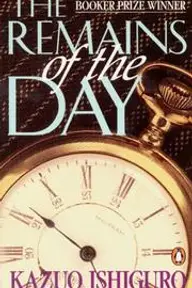
1. The Remains of the Day
Kazuo Ishiguro
A butler looks back on his years of service and bends his memories to fit what he wants to believe. That self-deception drives the book, and it hands a club a steady supply of questions about loyalty and complicity. Clubs that like to argue over whether a narrator can be trusted will find plenty here.
Find it on Amazon2. The Stranger
Albert Camus
A detached man’s response to a killing raises hard questions about guilt and society. Members can debate whether his indifference should count against him as much as the act does. The book centers on a killing, and capital punishment is a central theme, so members should know that before the vote.
Find it on Amazon3. Notes on a Scandal
Zoë Heller
A confiding narrator offers a version of a scandal, and that account begs to be questioned. The book includes a sexual relationship between a teacher and a 15-year-old student, so tell members before you choose it. Skip this pick if anyone in the group will not read sexual content.
Find it on Amazon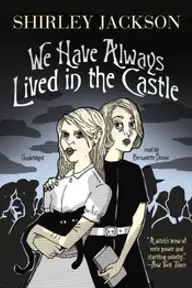
4. We Have Always Lived in the Castle
Shirley Jackson
The narrator’s sanity and motives keep a group arguing until the last page. The story centers on a family whose members died of poisoning. Members can debate whether the narrator can be believed. The book includes poisoning deaths, violence, and mob hostility, so members should hear that before the vote.
Find it on AmazonFamily, marriage and home

5. Ethan Frome
Edith Wharton
A winter tragedy of thwarted love and a stifling marriage. The book includes an implied suicide attempt and serious injury, which sensitive members should hear about first.
Find it on Amazon
6. Dept. of Speculation
Jenny Offill
A marriage told in fragments gives the group a lot to say about love, betrayal, and motherhood. The book includes infidelity, miscarriage, and grief, so tell members before the vote.
Find it on Amazon
7. Brooklyn
Colm Tóibín
A young Irish woman weighs home against a new life in America, and members can argue over which pull should win. The content is mild, though it includes some sexual content.
Find it on AmazonHistory and place

8. Small Things Like These
Claire Keegan
A coal merchant in Ireland confronts a secret kept by a convent. Members can argue over what the coal merchant owes to the people the convent hurt. The book contains implied cruelty and abuse of young women in a Magdalene laundry, so members should know that before the vote.
Find it on Amazon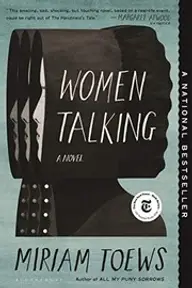
9. Women Talking
Miriam Toews
A Mennonite community’s women debate whether to stay or leave. The story includes sexual assault of women and girls, drugging, and violence, which members must be ready to discuss. Skip it if anyone in the group cannot read sexual assault in print.
Find it on Amazon
10. Things Fall Apart
Chinua Achebe
A proud Igbo leader faces colonial change and his own rigidity. Members can argue about how pride and colonial change shape a man’s choices. The book includes killing, suicide, and colonial violence, so tell members before the vote.
Find it on Amazon
11. Hiroshima
John Hersey
Six survivors tell their accounts of the atomic bombing of Hiroshima, and the author reports them plainly. Members can talk about how survivors describe what they saw. The book includes graphic depictions of bomb injuries and death, which is its main content note.
Find it on AmazonEndurance and loss

12. Night
Elie Wiesel
A short, devastating memoir of the Holocaust and a boy’s loss of faith. The book includes Holocaust atrocities, executions, and the death of a parent, which sensitive members should hear before the vote. Skip it if your group needs a lighter pick.
Find it on Amazon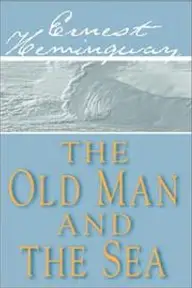
13. The Old Man and the Sea
Ernest Hemingway
One old fisherman fights a solitary battle at sea. Members can argue over what pride costs him and what it gives him. It includes animal death and graphic fishing violence.
Find it on Amazon
14. A Single Man
Christopher Isherwood
One day in a grieving professor’s life, told with restraint and precision. The book includes grief, suicidal thoughts, and brief sexual content, which members should know before choosing it.
Find it on AmazonPicking Short Books for Book Clubs Within a Week or Two
Check three things before a vote: length, the question the book leaves open, and any content note that could conflict with a member’s limits. Length comes first. A title that needs more than a week or two belongs in book club books instead.
Set the discussion date for the end of that window so every member works toward the same finish line. The book club edition planner is the scheduling tool for laying out those dates. Use the reading time calculator to compare a title’s length with the window before you put it to a vote.
Look at the group labels before you choose. A club that wants to argue about narrators will pick from the first group, while a club that wants history will pick from the third. The labels help match a pick to what the club wants to argue about.
Running a Discussion Around a Pick
Open with the question the book leaves unresolved, not a plot summary.
Ask each member to name one scene that changed their view of a character. When the talk stalls, go back to the open question and ask which scene supports each side.
Use prompts that put members on one side or the other. A question with two defensible answers gives members more to debate. These prompts come from the discussion hooks above.
- Can the narrator of The Remains of the Day be trusted, and where does loyalty turn into complicity?
- Should the man in The Stranger be judged for his indifference as much as for the killing?
- Is the heroine of Brooklyn right to leave home, and what does her family owe her?
- What would each woman in Women Talking give up to stay, and what would she risk by leaving?
- What does the old man’s pride cost him, and what does it give him?
When Members Disagree About a Pick or Its Content
Disagreement about a pick is normal. A content note is a different problem. Settle how to handle that before the vote.
One workable rule is that any member can ask to switch picks when a listed note conflicts with their limits. The group then chooses another title from the same group here. A pick that does not land can be finished or dropped, but the club should decide that at the meeting instead of letting it drift. Record the reason for any dropped pick, so the next vote can avoid the same problem.
If most members object to the same content note, drop that title.
Content Notes for Sensitive Members
Several picks carry serious content. The notes below group them by type, so a member with a known limit can rule out titles before the vote. These notes are short summaries, not ratings, so members with a firm limit should check a title before the vote.
Some content is implied rather than shown, such as the cruelty described in Small Things Like These, and members may still want to know about it. Ask members privately about their limits before you choose.
- Sexual content: Notes on a Scandal (a sexual relationship between a teacher and a 15-year-old student), Women Talking (sexual assault of women and girls), A Single Man (brief sexual content), and Brooklyn (mild, with some sexual content).
- Violence and atrocity: Ethan Frome (serious injury), Women Talking (drugging and violence), Hiroshima (graphic bomb injuries and death), Night (Holocaust atrocities and executions), We Have Always Lived in the Castle (poisoning deaths, violence, and mob hostility), Things Fall Apart (killing and colonial violence), and The Stranger (a killing, with capital punishment as a central theme).
- Suicide: Ethan Frome (an implied suicide attempt), A Single Man (suicidal thoughts), and Things Fall Apart (suicide).
- Abuse and cruelty: Small Things Like These (implied cruelty and abuse of young women in a Magdalene laundry).
- Animal death: The Old Man and the Sea (animal death and graphic fishing violence).
- Grief, loss, infidelity, and miscarriage: A Single Man (grief), Night (the death of a parent), and Dept. of Speculation (infidelity, miscarriage, and grief).
Where to Go After Your First Pick
Once a club finishes one of these picks, the debate that worked can guide the next title. A club that liked the arguments in Things Fall Apart can try another title from the history and place group, such as Hiroshima or Small Things Like These. A club that wants a plot-driven read can try mystery books for adults or classic books to read. A club that wants a recent prize winner can try the 198-page 2026 Booker winner and our guide to what to read after The End of Everything.
Members who cannot agree on a next title can work through the What should I read quiz together. Clubs that want books for other age groups can start at Books to Read for Every Age and Moment.
Pick the next title from the group your club argued about most.