Pride and Prejudice, Circe, and Educated are three strong places to start. At ReadNext, we check each title against Open Library’s catalog. Each title centers on a woman asserting control over her future against rigid social pressures, heavy expectations, or family isolation.
The fourteen books below are grouped across four distinct reading moods: classic fiction, multigenerational family sagas, modern character studies, and autobiographical accounts.
Whether you want an engrossing historical drama or an incisive personal account, these books offer clear perspectives on autonomy, ambition, and female relationships.
Fourteen Books for Women, Grouped by Reading Mood
Enduring Literary Classics

1. Pride and Prejudice
Jane Austen
Elizabeth Bennet remains one of fiction’s sharpest heroines because she values her own judgment above financial convenience. The dynamic between Elizabeth and Mr. Darcy offers a satisfying model of intellectual equality and mutual respect. The early nineteenth-century Regency conventions require some adjustment if you dislike formal prose, but the biting humor stays fresh. Readers who prefer fast pacing or contemporary slang can safely bypass this classic.
Find it on Amazon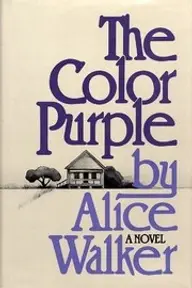
2. The Color Purple
Alice Walker
Told through letters written to God and between separated sisters, this novel traces Celie’s path from severe abuse to emotional independence and self-worth. The bond among the central women provides warmth and survival in the rural American South. Alice Walker writes in an authentic folk dialect that demands close attention. Skip this pick if you wish to avoid explicit depictions of domestic abuse, sexual violence, and racism.
Find it on Amazon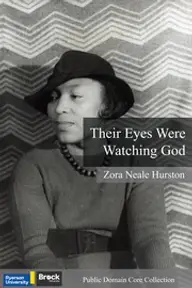
3. Their Eyes Were Watching God
Zora Neale Hurston
Janie Crawford spends decades discovering who she is outside the demands of three successive husbands. Zora Neale Hurston captures the cadence of Black Southern communities in lyrical prose, blending regional speech with rich interior reflection. The story treats emotional autonomy as something hard-won. Readers uncomfortable with sustained phonetic dialect or depictions of domestic conflict and racial tension will find this a challenging match.
Find it on Amazon
4. The Bell Jar
Sylvia Plath
Esther Greenwood’s summer internship at a New York fashion magazine turns into a painful breakdown under the weight of 1950s gender roles. Sylvia Plath portrays severe clinical depression with precision, dark irony, and raw clarity. The voice is candid and distinct, making it an enduring portrait of creative alienation. Avoid this title if you are sensitive to themes of suicide, self-harm, and psychiatric hospitalization.
Find it on AmazonComplex Sisterhood & Family Sagas
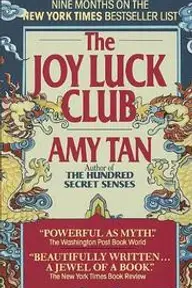
5. The Joy Luck Club
Amy Tan
Amy Tan structures this novel around four Chinese immigrant mothers and their adult American daughters in San Francisco. Their stories overlap over mahjong tables, revealing unspoken regrets, cultural divides, and fierce maternal devotion. The alternating perspectives show how easily communication frays across cultural generations. If you prefer a single linear plot without shifting narrator viewpoints, this structure might feel fragmented.
Find it on Amazon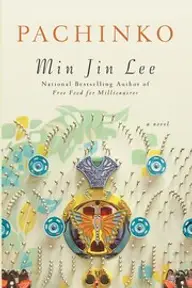
6. Pachinko
Min Jin Lee
Sunja’s unplanned pregnancy in early twentieth-century Korea sets off four generations of displacement, endurance, and quiet courage in Japan. Min Jin Lee builds an expansive social portrait showing how women keep households afloat through war, discrimination, and economic ruin. The storytelling is clear, patient, and detail-rich. Readers seeking a compact romance or a lighthearted weekend read should look elsewhere, as the historical adversity is sustained.
Find it on Amazon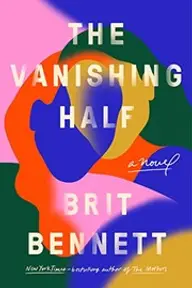
7. The Vanishing Half
Brit Bennett
Identical twin sisters choose opposite sides of the color line after running away from their small Southern town. Brit Bennett examines how identity shapes opportunity, motherhood, and family memory over several decades. The twin dynamic exposes how secrets alter relationships between mothers and daughters. Readers sensitive to depictions of domestic violence, colorism, and transphobia should approach with care, while fans of thoughtful pacing will enjoy the depth.
Find it on Amazon
8. My Brilliant Friend
Elena Ferrante
Set in postwar Naples, this novel chronicles the complicated friendship between Elena and Lila as they pursue education and autonomy. Elena Ferrante observes rivalry, jealousy, and mutual devotion without sentimental smoothing. The atmosphere feels gritty and real. Skip this volume if you dislike open-ended story arcs that require subsequent books, or if you want to avoid scenes of neighborhood violence, poverty, and sexual assault.
Find it on AmazonStories of Autonomy & Ambition
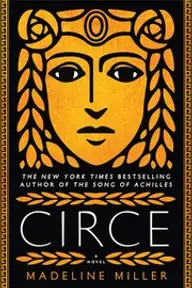
9. Circe
Madeline Miller
Banished to an isolated island by Zeus, the minor goddess Circe hones her witchcraft, tames beasts, and learns to stand against gods and mortals alike. Madeline Miller gives an ancient mythological figure psychological weight, vulnerability, and agency. The prose flows smoothly without leaning on dry scholarship. Note that the book includes a scene of sexual assault and mythological violence that may disturb sensitive readers.
Find it on Amazon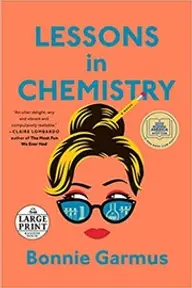
10. Lessons in Chemistry
Bonnie Garmus
Chemist Elizabeth Zott refuses to soften her intellect to comfort insecure male colleagues in 1960s California. When circumstances push her into hosting a television cooking show, she teaches housewives chemistry alongside dinner recipes. Bonnie Garmus balances sharp social satire with genuine emotional stakes. Skip this title if you want to avoid a sexual assault scene and sudden grief, though the overall tone remains determined and spirited.
Find it on Amazon
11. Americanah
Chimamanda Ngozi Adichie
Ifemelu leaves Nigeria for university in America, where she encounters Western concepts of race, class, and hair politics while writing an influential blog. Chimamanda Ngozi Adichie combines razor-sharp social commentary with an enduring love story that spans continents. The cultural observations are direct and humorous. Readers seeking a traditional plot-driven thriller will find the narrative more reflective, focusing on character development and social critique.
Find it on Amazon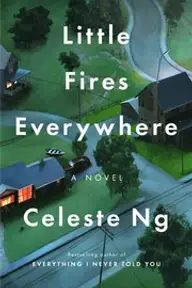
12. Little Fires Everywhere
Celeste Ng
In suburban Shaker Heights, Ohio, the orderly life of the Richardson family collides with an enigmatic nomadic artist and her teenage daughter. Celeste Ng investigates the fractures within community conformity, the burdens of motherhood, and the ethics of adoption. The tension builds quietly across suburban dinner tables. The plot touches on abortion, a custody dispute, and teen sex.
Find it on AmazonIlluminating Memoirs of Resilience

13. Becoming
Michelle Obama
Michelle Obama describes her trajectory from Chicago’s South Side through corporate law to the scrutiny of the White House. The memoir treats marriage compromises, working-mother guilt, and personal identity with grounded candor. Her reflections offer practical wisdom on maintaining selfhood inside public expectations. Readers looking for aggressive partisan political score-settling will not find it here, as the text concentrates on family roots and personal development.
Find it on Amazon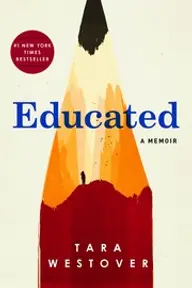
14. Educated
Tara Westover
Tara Westover grew up isolated from mainstream society in rural Idaho by survivalist parents and enters a formal classroom for the first time as a teenager. Her pursuit of knowledge demands painful breaks from her family home. The writing is spare, measured, and lucid. Skip this memoir if you want to avoid graphic accounts of physical abuse, erratic parental neglect, and psychological manipulation.
Find it on AmazonHow to Choose the Right Book for Your Reading Style
Readers select books for different reasons, depending on available focus, emotional energy, and curiosity about other eras. Matching your current state of mind to a book’s structure prevents reading slumps and helps you pick a story that holds your attention.
If you want complete immersion in an expansive world, multigenerational sagas provide dense family trees and shifting historical backdrops. Titles like Pachinko and The Joy Luck Club require sustained attention over long stretches, rewarding patient readers with rich portraits of survival across decades.
When your reading time comes in short windows, character-driven novels with sharp social wit offer faster momentum. Lessons in Chemistry and Americanah deliver brisk dialogue and clear chapter breaks, making them practical choices for busy weekdays.
- Historical epics fit vacations and long weekends where you can track multiple generations without losing the thread of the plot.
- Memoirs offer grounded company when you want candid personal reflection on careers, families, and self-reinvention.
- Classics reward careful reading when you want lyrical language, social satire, and historical perspective on women’s autonomy.
Core Themes Shared Across These Stories
Every featured book addresses the friction between female desire and the social structures designed to contain it. Whether fighting for scientific credentials in the 1960s or negotiating marriage contracts in Regency England, each protagonist confronts established limits on her freedom.
Female friendship and sisterhood emerge as survival mechanisms instead of decorative subplots. In The Color Purple, My Brilliant Friend, and The Vanishing Half, the ties between women provide the emotional anchor needed to withstand poverty, isolation, and domestic conflict.
Motherhood is treated with complicated realism instead of sentimental idealization. Across these titles, mothers make difficult compromises, pass down generational burdens, and struggle to understand daughters who inhabit worlds entirely different from their own.
Who These Books Do Not Serve
These titles emphasize adult literary fiction, social drama, and reflective memoirs. If you want high-octane thrillers, fast-paced hard science fiction, or light escapist fantasy without heavy emotional themes, these selections will likely feel too slow and demanding.
Many of these books tackle difficult subject matter, including generational trauma, racism, and domestic abuse. Readers who need comforting, stress-free stories to unwind after an exhausting week should explore cozy mysteries or light romantic comedies instead.
Reading Pathways and What Would Change Our Verdict
A rewarding path is pairing a classic work with its modern counterpart to see how storytelling has shifted. Reading Pride and Prejudice alongside Books Like Pride and Prejudice reveals how authors across centuries handle courtship, financial independence, and class friction.
If you enjoy witty heroines who confront rigid male institutions, follow Lessons in Chemistry with Books Like Lessons in Chemistry for similar blends of humor and purpose. For readers who want broader selections across genres, browse our index of Books to Read for Every Age and Moment or find collaborative picks for groups with Book Club Books.
If you prefer historical depth, consider our curated list of Classic Books to Read or our broader collection of Books to Read Before You Die. Our recommendations would change if a reader asked specifically for plot-first mysteries, genre fantasy, or short story collections, in which case we would replace these multi-layered dramas with faster, lighter titles.