Don’t Let the Pigeon Drive the Bus, Frog and Toad Are Friends, and Where the Wild Things Are give five-year-olds three reliable entries into story structure. At ReadNext, we check each proposed title against Open Library’s catalog before adding it.
Children who already read chapter books fluently on their own should try books for 1st graders. If a child needs immediate comic relief to sit through story time, Don’t Let the Pigeon Drive the Bus wins over slower, lyrical tales.
Five-year-olds sit right at the boundary between lap reading and early decoding. The picks sort into laugh-out-loud humor, transitional early readers, classic read-alouds, and stories that support trying hard things.
Books for 5 Year Olds, Grouped by Story Style
Laugh-Out-Loud Fun
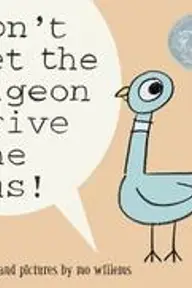
1. Don't Let the Pigeon Drive the Bus!
Mo Willems
A bus driver leaves the reader in charge of the bus with one rule: keep the pigeon away from the wheel. The pigeon begs, bargains, and throws full-blown tantrums across expressive, minimal drawings. Children love having total authority to shout no at an unreasonable character. Skip this title if you want rich, descriptive scenery.
Find it on Amazon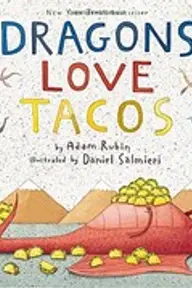
2. Dragons Love Tacos
Adam Rubin
Dragons love parties and giant piles of tacos, but spicy salsa creates immediate fire-breathing disaster. The ridiculous premise and visual comedy keep energetic children focused on each page turn. It offers pure, lighthearted absurdity without any heavy moral lessons. Children who prefer quiet, realistic slice-of-life tales can safely pass on this dragon feast.
Find it on Amazon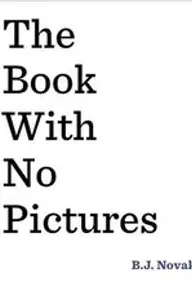
3. The Book with No Pictures
B.J. Novak
Every single word printed on the page must be spoken aloud by the adult reader, including silly chants and nonsense phrases. Kids delight in hearing parents forced into comical embarrassment. The book demonstrates that text alone carries immense comedic power. Anyone seeking beautiful artwork or a conventional bedtime plot should choose another title.
Find it on Amazon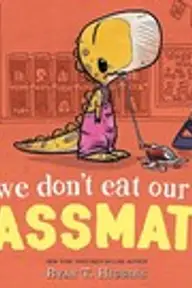
4. We Don't Eat Our Classmates
Ryan T. Higgins
Penelope Rex, a dinosaur, starts school and tries to eat her classmates, which upsets them. Pass if your child is sensitive to themes of being bitten or swallowed. The bold illustrations soften worries about school social dynamics.
Find it on Amazon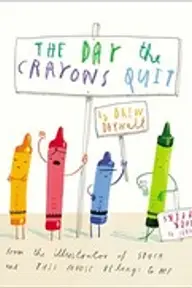
5. The Day the Crayons Quit
Drew Daywalt
A box of crayons writes grievance letters to their owner, Duncan. Blue wants a break after coloring massive oceans, while Peach feels embarrassed without its paper wrapper. Each spread features crayon-style artwork and distinct voices that encourage creative thinking about colors. Young listeners who struggle with epistolary storytelling might find the letter format slow.
Find it on AmazonStepping Toward Early Readers
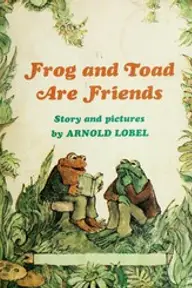
6. Frog and Toad Are Friends
Arnold Lobel
Short chapters follow two devoted amphibian companions through lost buttons, swimsuits, and shared letters. The gentle humor and spare vocabulary make it a comfortable bridge between shared listening and early independent attempts. Skip it if your five-year-old craves modern slapstick or loud conflict. Pick it for quiet warmth and everyday kindness.
Find it on Amazon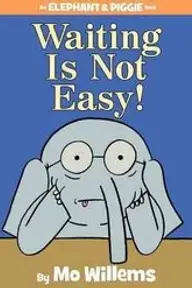
7. Waiting Is Not Easy!
Mo Willems
Elephant Gerald struggles through an agonizing wait while Piggie promises a surprise that requires nightfall to reveal. Speech bubbles and giant facial expressions teach expressive decoding and emotional patience. The very small word count helps children read whole sentences aloud with an adult. Families wanting dense paragraphs and detailed backgrounds will find it too sparse.
Find it on Amazon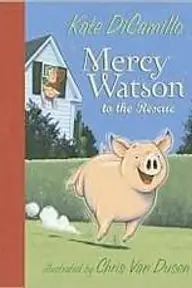
8. Mercy Watson to the Rescue
Kate DiCamillo
Mercy the pig loves buttered toast and causes chaotic household accidents that accidentally save the day. Short chapters, large print, and full-color illustrations give children the thrill of holding a real chapter book. The breezy pacing holds the interest of restless listeners. Children looking for serious animal adventure should look for more realistic stories instead.
Find it on Amazon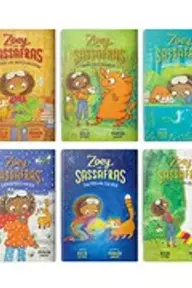
9. Zoey and Sassafras: Dragons and Marshmallows
Asia Citro
Zoey helps her mother care for magical creatures and uses experiments to nurse a sick baby dragon. Experiments, field notes, and mistakes show that learning involves trying again. The short chapters and frequent line drawings make it approachable for five-year-olds ready for longer narrative arcs. Skip it if magical creatures hold zero interest.
Find it on AmazonClassic Read-Alouds
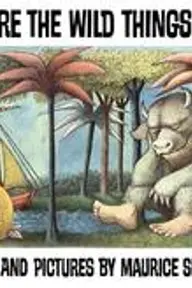
10. Where the Wild Things Are
Maurice Sendak
Max wears a wolf suit, causes mischief, and sails to an island of roaring monsters after being sent to bed without supper. The illustrations expand as Max’s wild imagination takes over, then shrink back down to a comforting, warm dinner. It addresses anger and parental boundaries without being preachy. The monster claws and yellow eyes might startle nervous children.
Find it on Amazon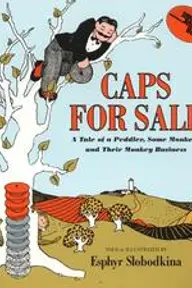
11. Caps for Sale
Esphyr Slobodkina
A peddler balances a tower of checkered caps on his head and wakes from a nap to find thieving monkeys wearing his goods. The rhythmic text and repetitive monkey gestures invite five-year-olds to stomp their feet and shake their fingers in unison. It rewards communal participation during group reading. Skip this choice if you prefer modern, fast-paced plots.
Find it on Amazon12. Blueberries for Sal
Robert McCloskey
Little Sal and a young bear each wander after the wrong mother while both families pick blueberries on a hillside. McCloskey creates suspense without real danger, using the rhythmic clink of berries falling into tin pails. The dark blue ink drawings establish a calm atmosphere. Young readers who require bright primary colors to stay focused might find the single-color art quiet.
Find it on AmazonHeartwarming & Inspiring
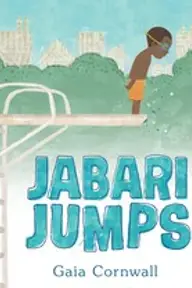
13. Jabari Jumps
Gaia Cornwall
Jabari finishes swim lessons and wants to tackle the high diving board, but fear stops his feet at the ladder. His father offers gentle breathing techniques and steady support without rushing the moment. The pool setting and emotional sincerity make bravery feel attainable. Children looking for fantasy quests will find the everyday pool setting modest.
Find it on Amazon14. The Koala Who Could
Rachel Bright
Kevin the koala clings to his eucalyptus tree and refuses to join the animals below. The rhyming verse bounces smoothly, reassuring cautious listeners that stepping outside familiar routines can turn out well. It matches children who resist new environments. Skip if your listener dislikes rhyming picture book text.
Find it on AmazonWhat Reading Looks Like for 5 Year Olds
Five-year-olds experience books primarily through the sound of an adult voice while their eyes track pictures and print across the page. At this stage, children begin to realize that printed letters represent specific sounds and spoken words.
Stamina expands rapidly during this year. Some five-year-olds can listen for a long stretch when the story has humor or repetition. Others still need active physical involvement, shouting out responses or pointing out hidden visual details.
Emergent decoding happens alongside read-aloud time. A child might recognize simple sight words in speech-bubble books while still needing you to read the descriptive paragraphs in a traditional picture book.
How to Match Books to Your Five-Year-Old
Select books based on your child’s current attention threshold and conversational habits. A child who constantly interrupts stories often needs interactive books like Don’t Let the Pigeon Drive the Bus where participation is part of the story. High-energy comedy keeps wiggly listeners rooted on the rug.
When a child begins sounding out words, introduce transitional readers with short sentences and large fonts. Titles like Waiting Is Not Easy and Frog and Toad Are Friends let children take turns reading single dialogue lines without becoming overwhelmed by dense blocks of text.
For children who ask endless questions about how the natural world operates, narrative science stories like Zoey and Sassafras: Dragons and Marshmallows combine narrative suspense with cause-and-effect reasoning.
- Rhyme and rhythm: Pick Caps for Sale or The Koala Who Could for chanting along.
- Emergent Readers: Choose books with speech bubbles and limited vocabulary like Waiting Is Not Easy for shared decoding practice.
- Longer Attention Spans: Try episodic chapter books like Mercy Watson to the Rescue to build memory across short chapters.
- Quiet art: Pick Blueberries for Sal for calm, single-color drawings.
Handling Hesitation and Sensitive Themes
Putting a book away before reaching the final page is a normal part of building reading taste. If your child loses interest after a few pages, close the book and try another title without pressure. Forcing a child through a book they dislike creates unnecessary friction around story time.
Where the Wild Things Are has monster illustrations (claws, yellow eyes) that some sensitive children find unsettling at bedtime.
Books that address school transitions or peer conflict, like We Don’t Eat Our Classmates, give children a safe space to discuss playground worries. Let your child guide the conversation.
Where to Go After These Books
Once your five-year-old masters basic story structures, choose next titles based on their emerging independence. Children entering formal school environments will enjoy kindergarten books to read.
If your reader needs simpler narratives with heavier repetition, look back at books for 3 year olds for comforting, rhythm-focused stories. When a child begins decoding complex sentences independently, graduate to books for 1st graders to find expanded chapter stories.
Explore Books to Read for Every Age and Moment to plan reading selections across childhood stages. If you remain unsure which genre fits your child best, try our What should I read quiz to narrow down options by mood and reading style.