The Complete Grimm’s Fairy Tales, Cinderella by Marcia Brown, and Ella Enchanted by Gail Carson Levine show three ways into classic fairy tales. When we match a book, we look at tone, age fit, and how direct the telling is. They span folklore collections, picture books for younger listeners, and a novel-length reinvention of the Cinderella story.
The books fall into folklore collections, illustrated picture editions, and a full-length novel. The collections suit older students and adults who want the older tellings. The illustrated books work well as fairy tales for kids during shared bedtime read-alouds, while the novel reimagining fits independent middle grade readers.
Folklore evolves across generations. Selecting the right volume depends heavily on whether your listener expects cozy bedtime enchantment or darker traditional tellings with sharp moral consequences.
Classic Fairy Tales, Grouped by Format and Reading Style
Foundational Anthologies
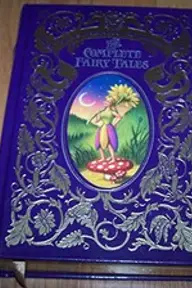
1. The Complete Fairy Tales
Hans Christian Andersen
Hans Christian Andersen wrote literary fairy tales that often end in heartbreak. Stories like The Little Mermaid and The Nightingale carry a melancholy tone. Adults and reflective older readers are the best fit. Skip this volume if you need breezy, cheerful plots for restless listeners who demand triumphant happy endings.
Find it on Amazon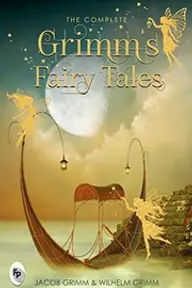
2. The Complete Grimm's Fairy Tales
Jacob Grimm and Wilhelm Grimm
Jacob Grimm and Wilhelm Grimm gathered traditional German oral stories featuring stark moral tests, cunning peasants, and unvarnished wilderness dangers. The pace is brisk, with matter-of-fact consequences for wicked deeds. This collection contains violence and dark folklore themes, so read ahead before sharing it with younger or sensitive readers. Readers seeking gentle nursery humor should skip it.
Find it on Amazon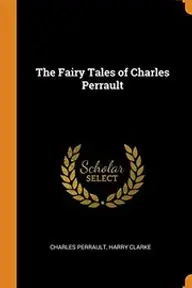
3. The Fairy Tales of Charles Perrault
Charles Perrault
Charles Perrault wrote tales including Cinderella, Puss in Boots, and Sleeping Beauty with aristocratic wit and courtly polish. Many tales close with a moral aimed at seventeenth-century French society. Readers who enjoy literary charm and historical decorum will enjoy seeing modern tropes in their courtly origins. Skip this if you prefer earthy, rustic forest adventures over formal French prose.
Find it on Amazon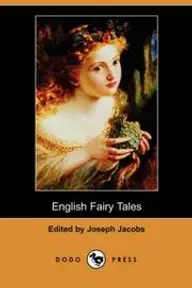
4. English Fairy Tales
Joseph Jacobs
Joseph Jacobs assembled spirited British tales like Jack and the Beanstalk and The Three Bears, in a plain, spoken style. The stories feature scrappy protagonists who outwit giants. Families who enjoy energetic read-alouds will love the conversational rhythm. Skip this collection if older phrasing confuses your independent reader.
Find it on Amazon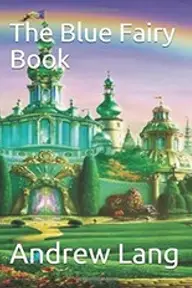
5. The Blue Fairy Book
Andrew Lang
Andrew Lang brought together fairy tales from several traditions. The language carries grand Victorian phrasing that feels formal and stately during group reading. It offers tales from several traditions within a single volume. Readers intimidated by dense, formal vocabulary may prefer illustrated standalone editions instead.
Find it on AmazonIllustrated Family Classics
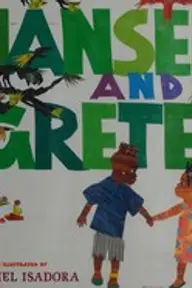
6. Hansel and Gretel
Rachel Isadora
Rachel Isadora resets the classic Brothers Grimm story in an African setting with vibrant illustrations. Two resourceful children outsmart a witch who intends to cook them, turning terror into decisive triumph. If your child is easily unsettled by themes of hunger or wicked captors, choose a gentler woodland story.
Find it on Amazon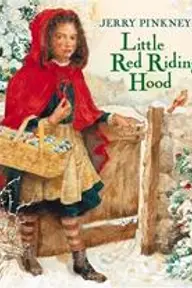
7. Little Red Riding Hood
Jerry Pinkney
Jerry Pinkney creates a winter woodland setting where a cloaked girl encounters a calculating wolf on her way to her grandmother’s home. The illustrations carry the winter woodland setting. It offers enough woodland suspense to thrill young listeners without graphic brutality. Skip this if your child refuses any story containing an ominous predator.
Find it on Amazon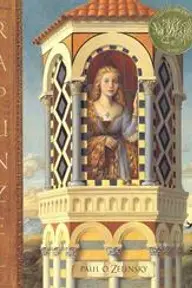
8. Rapunzel
Paul O. Zelinsky
Paul O. Zelinsky tells the story of the tower-bound girl through oil paintings reminiscent of Italian Renaissance art. Skip this if you want cartoonish slapstick.
Find it on Amazon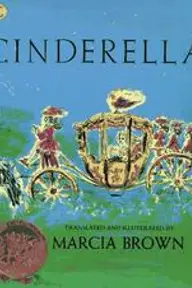
9. Cinderella
Marcia Brown
Marcia Brown presents a faithful translation of Perrault’s classic French tale, accompanied by soft illustrations. The heroine demonstrates true grace and forgiving kindness toward her vain stepsisters after the royal wedding. It captures the sparkling fantasy of a fairy godmother, glass slippers, and the royal ball. Readers looking for modern subversion will find this version loyal to the traditional courtly aesthetic.
Find it on AmazonModern Retellings
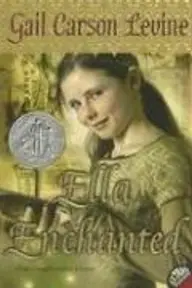
10. Ella Enchanted
Gail Carson Levine
Gail Carson Levine expands the Cinderella premise into a full-length adventure centered on personal autonomy. Ella receives a fairy gift of obedience that forces her to follow every direct command, driving her quest to break the curse. The novel balances lighthearted humor with genuine danger and strong emotional stakes. Skip this if you only want brief, traditional fairy tale books for an evening read.
Find it on AmazonThe Evolution of Folklore Across Generations
Traditional folklore survived through spoken performance before collectors wrote it down, and the original tales carry practical realities: poverty, famine, dangerous forests, and sudden turns of luck.
When scholars like the Brothers Grimm and Charles Perrault assembled their volumes, they added literary polish to fit the expectations of their reading audiences. Perrault added morals for French readers, while the Grimms collected German tales. Recognizing these origins helps readers understand why unedited folklore anthologies feel starker and more direct than contemporary animated adaptations.
Modern adaptations build on these foundations by interrogating the characters’ motivations. A novel like Ella Enchanted explores the psychological cost of enforced obedience, giving the Cinderella story a heroine who must obey every command, and building it around free will.
Matching Classic Fairy Tale Books to Your Reader
Choosing between an unabridged collection and an illustrated standalone volume depends on your reader’s developmental stage. Younger children often follow a story more easily with pictures. Standalone picture books like Cinderella by Marcia Brown or Little Red Riding Hood by Jerry Pinkney present a single story with illustrations.
When choosing fairy tales for kindergarteners, start with the illustrated picture books above, or read a familiar story like Jack and the Beanstalk aloud from English Fairy Tales.
Older readers ready for complex story arcs can move directly into novel-length adaptations. If a child handles extended plots comfortably, you can pair these folklore adventures with titles from our books for 4th graders or explore books for 5th graders for more reading at those grades.
- Audience Age: Pair young listeners with single-story picture books featuring rich illustration details.
- Text Density: Save dense, multi-story anthologies like Andrew Lang or Hans Christian Andersen for confident readers and shared read-alouds.
- Emotional Tone: Choose Charles Perrault for courtly wit, Joseph Jacobs for lively read-alouds, and Hans Christian Andersen for sensitive, emotional stories.
- Visual Learning: Use picture book editions when you want the pictures to carry part of the story.
Handling Dark Themes in Original Folklore
Unabridged folklore frequently features raw depictions of historical hazards. In The Complete Grimm’s Fairy Tales, selfish stepmothers abandon children in deep forests, and deceptive villains face grim punishments. The peril in traditional folklore sets loyalty against cruel deception, and some tales contain real violence.
Parents introducing original anthologies can read stories ahead of time to assess their child’s sensitivity to suspense. If an uncut story feels too jarring for bedtime, switch to a thoughtful retelling that retains the mystery while moderating the threat. Picture books like Hansel and Gretel by Rachel Isadora keep the heroic escape in picture-book form.
For very young listeners who find wolves or witches frightening, consider starting with the gentler rhythms in our guide to books to read to toddlers. You can return to traditional quest narratives once their tolerance for dramatic tension grows.
What to Do When a Story Does Not Land
Classic prose can occasionally feel stiff to modern readers used to contemporary narrative pacing. If the formal sentences of The Blue Fairy Book cause your child to lose focus, abandon the anthology without turning reading into a chore. Shifting to a read-aloud with expression may help, or try a different book.
Another effective solution is to read a modern novel retelling first. Reading Ella Enchanted first gives a reader the Cinderella story through a modern heroine. Afterward, the Perrault original in The Fairy Tales of Charles Perrault may be easier to approach.
If you want to discover alternative stories matching your family’s preferred reading mood and pacing, take our What should I read quiz. You can also browse Books to Read for Every Age and Moment to find books for every age.